Nature
 PUBLISHED
 3
3


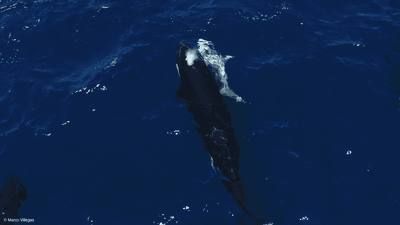


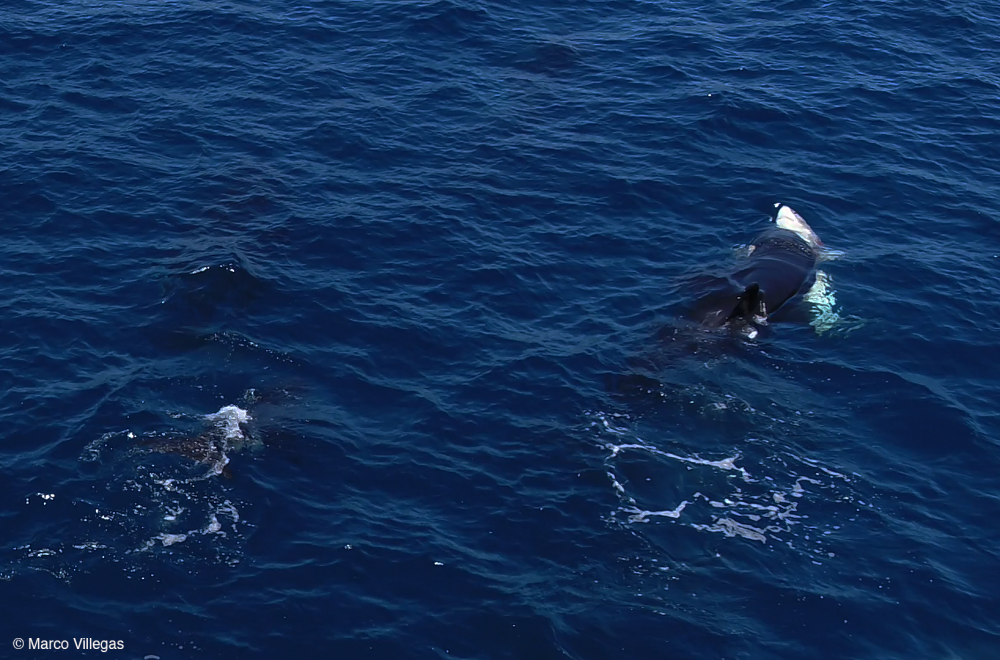
In the Gulf Of California, a group of orcas have developed specialized shark-hunting skills that mean they can make short work of one of the ocean’s greatest predators. Known as Moctezuma’s pod, they ram great whites so they get flipped upside-down, and then take advantage of their immobilized state to suck out their liver.
The brutal but efficient practice has now been confirmed as a regular occurrence, as a new study has become the first to recognize that orcas are repeatedly targeting juvenile great whites. Now, researchers are wondering how these young sharks are responding to a behavior that has even adult sharks running (swimming) scared.
Why do orcas eat sharks’ livers?
To kill an adult great white is no small task. These predators are typically 4.5 meters (15 feet) long and can weigh up to 2,267 kilograms (5,000 pounds), but orcas aren't interested in eating the entire fish. Oh no, they’re after the liver.
It is not by chance that orcas around the world favor the liver – they know where the good stuff is.
Salvador Jorgensen
“Marine mammals, including orcas, store energy reserves in their blubber layer,” study author Salvador Jorgensen, a marine ecologist and faculty in the School of Natural Sciences at Cal State Monterey Bay, told IFLScience. “However, white sharks cache energy in their liver.”
“The liver of an adult white shark can weigh over 600 kilograms [1,323 pounds] and is very rich in calories. An orca can immobilize a fully grown white shark and remove the liver in minutes. It is not by chance that orcas around the world favor the liver – they know where the good stuff is.”
[Video credit: Erick Higuera and Marco Villegas]
Great white sharks need these enormous energy stores to power their trans-oceanic migrations. Unfortunately for them, orcas around the world have realized that they are swimming around with a huge reward in their bellies.
Tonic immobility in sharks
Orcas are exceptionally powerful, but these “velociraptors of the sea” have also mastered the art of synchronized hunting and use an array of tactics to immobilize and kill their prey. Their approach when hunting great whites appears to capitalize on something known as tonic immobility.
Tonic immobility is a reflex state of paralysis seen in species ranging from mammals to insects that’s brought on by a change in position. It’s perhaps most famous for sharks, sometimes referred to as “shark flipping,” because tonic immobility is triggered when they’re turned upside-down.
[White sharks] will scatter and basically vanish from the hunting grounds where they gather in numbers if orcas approach.
Salvador Jorgensen
Orcas are able to bring about a state of tonic immobility in great white sharks by ramming into the side of them at high speed. This stuns and immobilizes them, making it easy to reposition them ventral-side-up. The other benefit of that position? Easy organ access.
Are sharks responding to orca attacks?
Adult sharks have learned to fear orcas and will quickly flee areas when they arrive. However, now that it appears orcas are taking advantage of the way warmer waters are altering shark nursery areas, scientists are wondering: are juveniles responding to the threat, too?
We are eager now to know whether juvenile white sharks have anti-predator instincts to counter this new finding.
Salvador Jorgensen
“White sharks around the world are very finely attuned to the arrival of orcas,” said Jorgensen. “They will scatter and basically vanish from the hunting grounds where they gather in numbers if orcas approach."
"All local white sharks will then avoid that location for up to a year. What we don't know is whether that is a response that needs to be learned through experience, which would be run-ins with orcas."
"If it is a learned behavior, and not instinctual, then juvenile white sharks gathered in shark nursery areas could be very vulnerable. Baby turkeys, for example, will instinctually hide under leaves and remain silent if they sense danger.”
“This is the first study to find repeated targeting of juvenile sharks, so we are eager now to know whether juvenile white sharks have anti-predator instincts to counter this new finding.”
The study is published in the journal Frontiers in Marine Science.