Humans
 PUBLISHED




Vikings have played an important role in popular culture over the last decade. Increasingly, we are learning intricate details about the lives of these seafaring people that reveal them to be far more complex and interesting than simple invading warriors. Now researchers have added to this textured image by examining their dental health, and it seems the Vikings actually had surprisingly advanced dentistry.
The new study published by a team from the University of Gothenburg’s Institute of Odontology, in collaboration with an osteologist from the Västergötland Museum, examined 3,293 teeth from 171 individuals who lived in Sweden during the Viking Age.
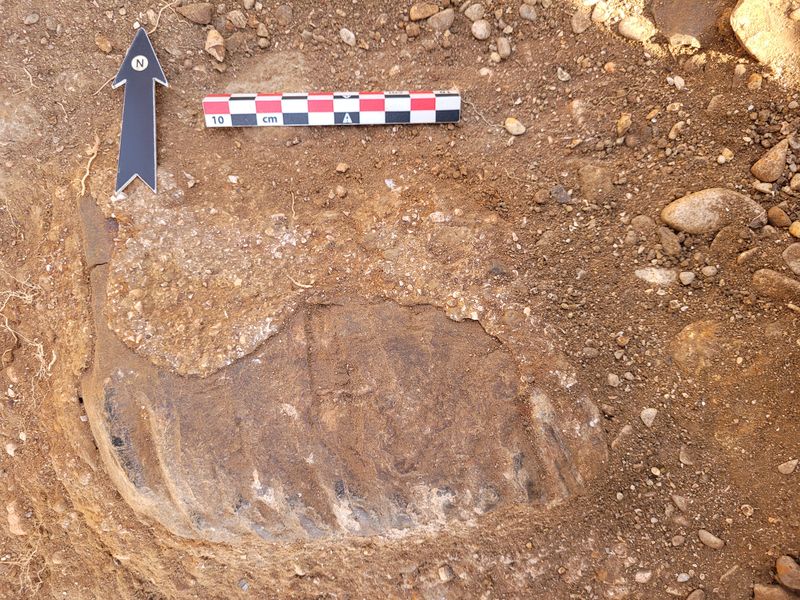
The Varnhem archaeological site, located in Västergötland, has witnessed extensive excavations and offers a veritable treasure trove of information about Viking and medieval environments. This is because it contains thousands of graves that date back to the 10th and 12th centuries CE. Crucially, the skeletons and teeth of those buried at the site have been remarkably well preserved.
The team subjected the ancient specimens to clinical examination using standard dentistry tools and X-rays. The results showed that 49 percent of the Viking population had one or more caries (cavities) and that 13 percent of the adult teeth had caries that extended to the roots. However, children with milk teeth, or with a mix of milk and adult teeth, were entirely caries-free.
The team also found that tooth loss was common among adults, who lost around 6 percent of their teeth on average – excluding wisdom teeth – over their lifetimes. And, as you may imagine, the risk of tooth loss increased with age.
Ultimately, it seems toothache, tooth loss, and caries were common issues for Viking people at Varnhem. But the researchers also found that this population had interesting ways to look after their teeth, and they were not dissimilar to today’s treatments.
“There were several signs that the Vikings had modified their teeth, including evidence of using toothpicks, filing front teeth, and even dental treatment of teeth with infections,” Carolina Bertilsson, a dentist and Associate Researcher, and the study’s first author, said in a statement.
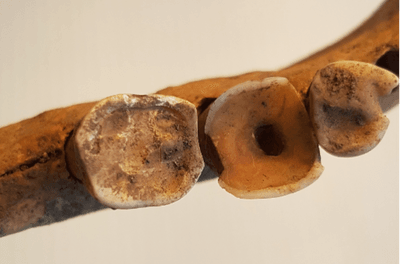
One of the more sophisticated procedures practiced among the Varnhem population was the use of fillings in molars. The team found teeth that had filled holes in them that went from the crown into the pulp, a mass of connective tissue inside the tooth. This, the team believe, was probably an attempt to relieve pressure and to alleviate severe toothache caused by infection.
“This is very exciting to see, and not unlike the dental treatments we carry out today when we drill into infected teeth. The Vikings seem to have had knowledge about teeth, but we don’t know whether they did these procedures themselves or had help,” Bertilsson added.
“This study provides new insights into Viking oral health, and indicates that teeth were important in Varnhem’s Viking culture. It also suggests that dentistry in the Viking Age was probably more sophisticated than previously thought.”
The study is published in PLOS ONE.