Humans
 PUBLISHED
 2
2


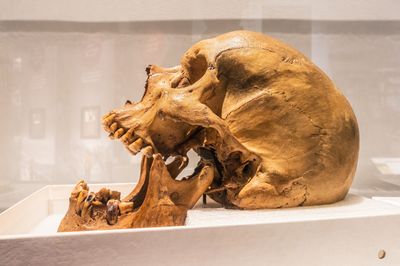


About 77,000 years ago, a group of Neanderthals in Türkiye began occupying a cave called Üçağızlı II, bringing with them their own survival strategies and symbolic culture. Eventually, these archaic hominins disappeared and were replaced by Homo sapiens, who maintained the same practices as their predecessors, hinting at cultural exchange and continuity between Neanderthals and modern humans.
It’s well known that Homo sapiens and Neanderthals met and mingled in Palaeolithic Eurasia, although the degree of behavioral similarity between the two species is currently unclear. At the Mandrin Cave in France, for instance, researchers have noted significant differences in the types of cultural artifacts present in the occupation layers associated with these two separate hominins.
In contrast, excavations at Tinshemet Cave in Israel have yielded evidence for shared funerary traditions and technologies between Neanderthals and modern humans.
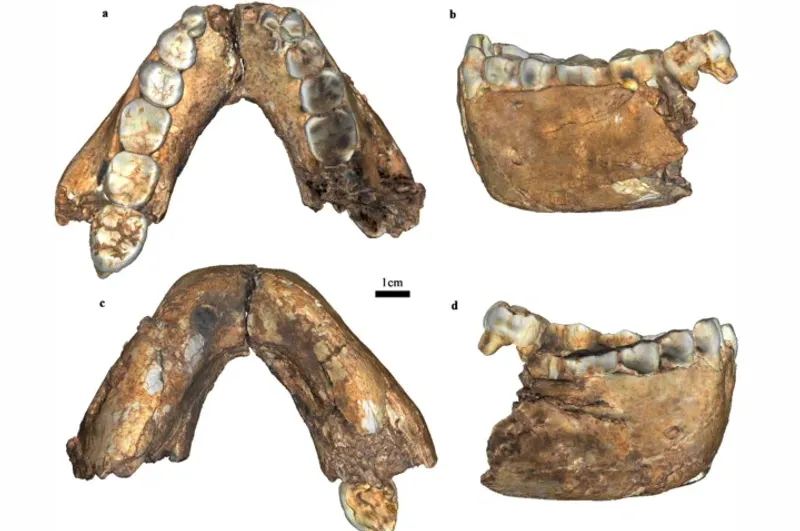
Adding to this ever-thickening plot, the authors of a new study report the discovery of six prehistoric teeth and a partial jawbone spread across multiple occupation layers at Üçağızlı II. Identification of these ancient remains allowed the researchers to determine that Neanderthals were present in the cave from 77,000 to 59,000 years ago, while Homo sapiens moved in between 59,000 and 47,000 years ago.
Alongside the fossils, the authors also found 19,252 stone tools and 24,236 animal remains. Based on the distribution of this evidence across all occupation layers, the researchers suggest that the cave’s modern human residents used the same hunting, foraging and toolmaking strategies as their Neanderthal forerunners.
Such a finding was indeed very surprising, simply because we did not expect this level of continuity [between Neanderthals and Homo sapiens].
Prof. Ismail Baykara
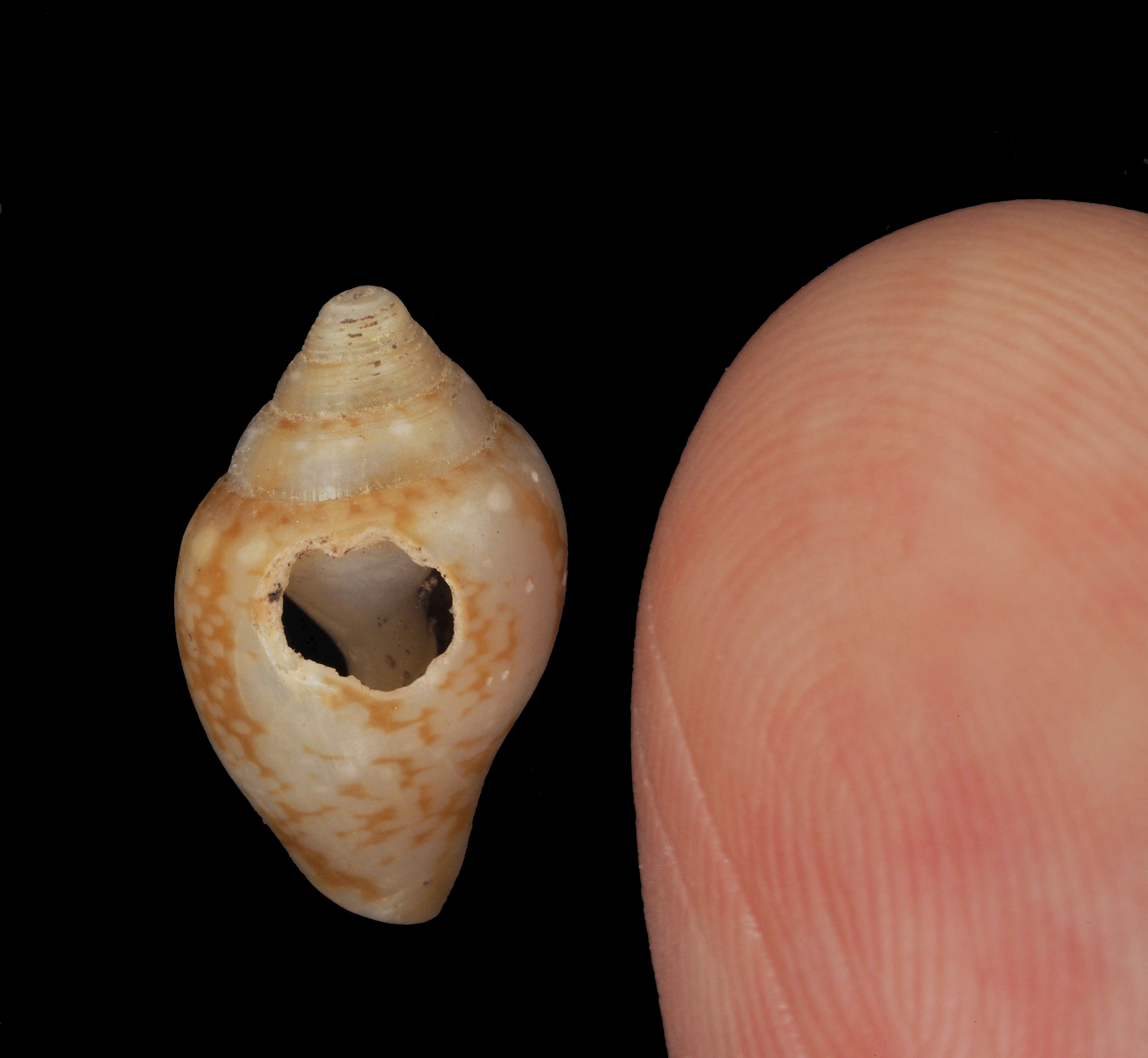
Yet the most striking find involved 59 mollusk shells, of which 29 belonged to the species Columbella rustica. Considered unsuitable for consumption, these marine gastropods were predominantly used by prehistoric hominins for ornamentation and other symbolic or decorative purposes.
Given that C. rustica shells were found across all of the occupation layers, the researchers suggest that Homo sapiens must have used these mollusks in the same way as the cave’s Neanderthal occupants had done thousands of years earlier. This hints at “shared behaviors between Neanderthals and modern humans that extended beyond subsistence to include nonutilitarian behaviors,” write the authors.
“Such a finding was indeed very surprising, simply because we did not expect this level of continuity [between Neanderthals and Homo sapiens],” explained study author Professor İsmail Baykara from Gaziantep University. “However, it makes sense given that we already know these two groups were exchanging genes,” he told IFLScience.
The Levant – which includes the area where Üçağızlı II is located – has been proposed as one of the most likely settings for ancient interbreeding events between Neanderthals and modern humans. As such, contact and exchange between the two species is thought to have been extensive in this region.
“We hypothesize that they exchanged culture,” says Baykara. This, in turn, may point towards similar levels of cognitive and behavioral complexity in both Neanderthals and Homo sapiens – although this is something that remains somewhat speculative.
“Future studies will be necessary to determine how cognitive capacities – which are fundamentally a matter of brain structure and function – differed or aligned between Neanderthals and modern humans,” concludes Baykara.
The study has been published in the Proceedings of the National Academy of Sciences.