Nature
 PUBLISHED




There once lived a group of ornithopod dinosaurs that were enthusiastic plant eaters, and this vegetarian lifestyle is reflected in the fossil remains of their jaw and dental morphologies. However, scientists haven’t previously paid much attention to how this diet affected the rate of wear and replacement of their teeth.
Now, new research has revealed that as this group of dinosaurs evolved from the Jurassic through to the Cretaceous, the rate at which their teeth wore down sped up, meaning they had to replace their teeth more and more. By the end, it's possible that dinosaurs from this group were burning through hundreds of thousands of teeth in a lifetime.
Within the ornithopods, you’ll find famous prehistoric faces like Iguanodon and the duck-billed hadrosaurs, and the group was characterized by a herbivorous diet and bipedal lifestyle. They first cropped up around the mid-Jurassic but continued on into the Cretaceous to become one of the largest and most successful groups of vegetarian dinosaurs around.
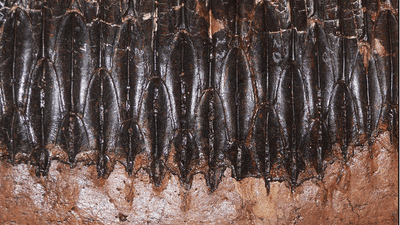
Munching your way across the planet’s green spaces takes work and, perhaps most importantly, large stores of replaceable teeth. In dinosaurs like Edmontosaurus regalis (pictured above), this included a kind of “dental battery” with lots of teeth in the line-up at once at different stages of wear and tear.
What this new research tells us is that as time went on, the number of teeth and rate of replacement changed drastically. As study author Dr Attila Ősi from Eötvös Loránd University in Hungary told the Natural History Museum, this saw the rate of replacement in some groups go from 200 days to just 50 by the end of the Cretaceous.
That dramatic switch-up could well reflect a change in diet. In the early days, the ornithopod menu may have included fruits and softer plants that were more nutrient-rich and so didn’t need to be eaten in vast quantities to make a meal of it.
By the time we reach the later ornithopod models, they had specialized into grazing machines that would’ve spent hours breaking down nutrient-poor plants, sort of like today’s cattle and sheep. It therefore became a matter of survival to have lots of replaceable teeth, as without them they would’ve starved.
Fun fact: like cattle and sheep, this shift in diet eventually led to larger body plans and longer gut passage times, and boy, wouldn’t you just love to see an Iguanodon pat?
The study is published in Nature Communications.

 1
1