Humans


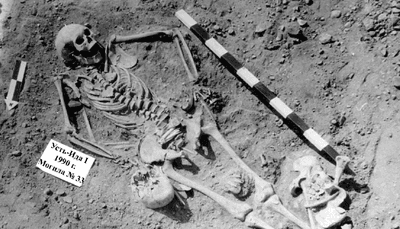


The oldest known outbreak of plague has been unearthed from a 5,500-year-old hunter-gatherer settlement in southeast Siberia. By combining archaeological evidence with genetic sequencing of the notorious bacteria, scientists pieced together the whole story of how the disease jumped into the population and wreaked havoc as it spread through the community.
"We found the earliest plague genome ever identified," Dr Frederik V. Seersholm, study author and expert in palaeogenomics at the University of Copenhagen, told reporters at a press conference this week.
"More importantly, we can link the evidence of plague with high mortality. We can actually look at the archaeology and show that a high number of people, and especially children, died from the disease," explained Seersholm.
“This is the first time this has ever been shown,” he added.
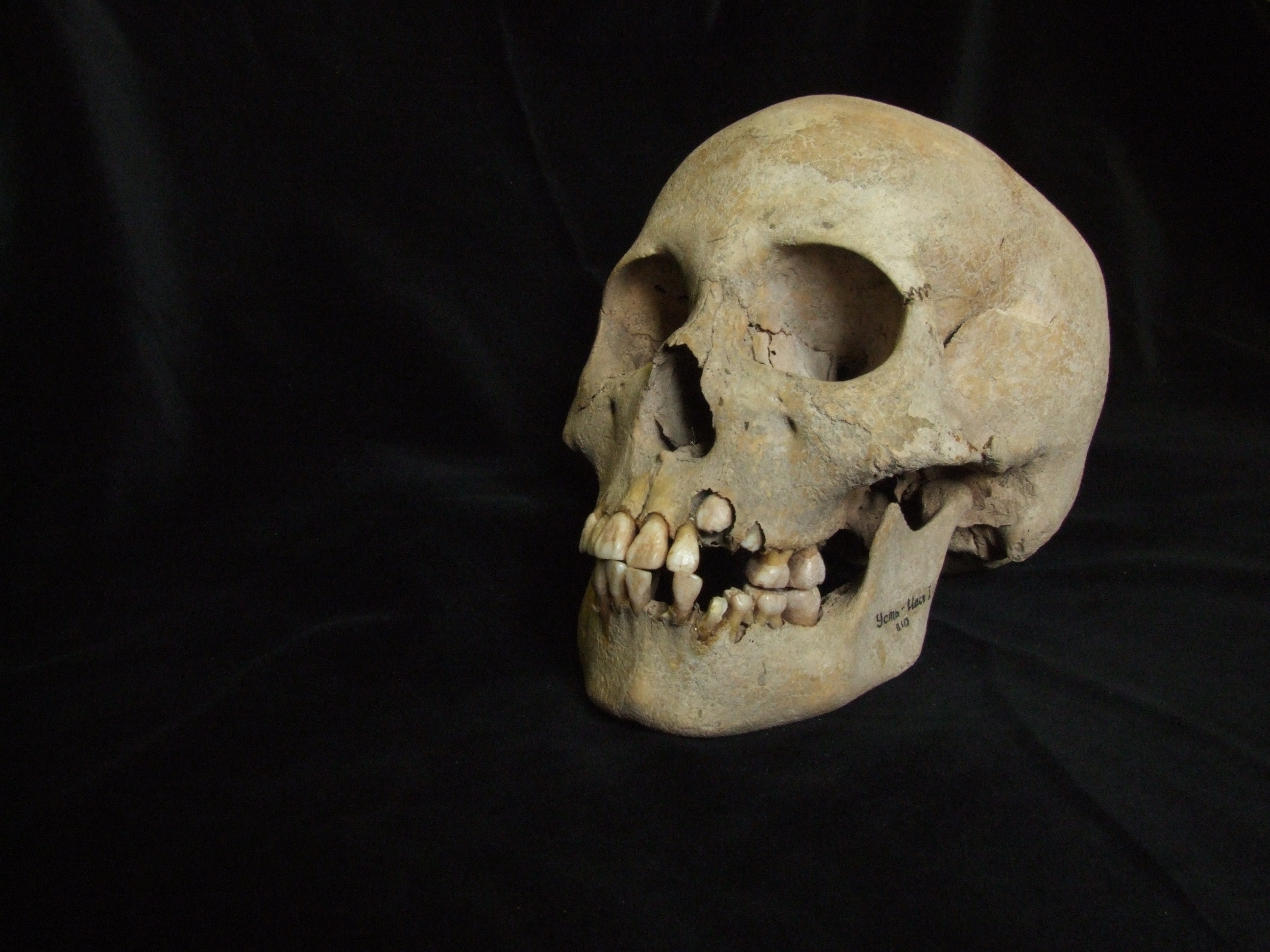
The evidence comes from ancient DNA sourced from 42 hunter-gatherers buried in four cemeteries around Siberia's Lake Baikal, the world's deepest and oldest lake. Yersinia pestis, the bacterium responsible for plague, was identified in at least 18 of these individuals.
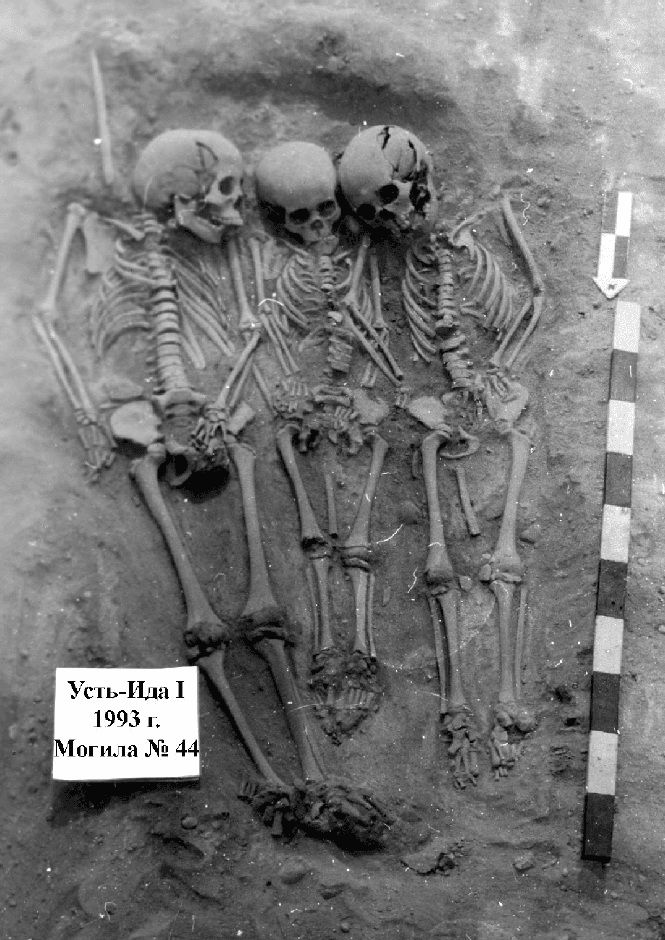
Crucially, the disease did not strike in one fell swoop. Dating of the graves suggests two separate outbreaks – one occurring 5,520 to 5,265 years ago, and another 5,315 to 4,235 years ago.
"Really, really personal"
The burials also showed that siblings were laid to rest next to each other, and parents alongside their offspring. It’s almost as if you could trace how the disease passed from person to person as families cared for their sick loved ones.
“The kinships made the results really, really personal. It's so obvious from the way that people are buried – that siblings are buried in shared graves and that parents are buried in the same areas as their offspring – that somebody knew who these people were when they were alive,” explained Dr Ruairidh Macleod, an ancient DNA specialist at the University of Oxford
“That adds a really, really human element to all of the scientific work that we've done; seeing the impact on communities and how these communities have responded to this very tragic set of events,” he added.
Most of the acute infections appear to have occurred in children aged 8 to 11. The paper links this to a newly identified gene in the bacteria, called YPM, which encodes for a superantigenic toxin that children are particularly susceptible to.
The archaeological evidence suggests both waves of deaths occurred in a very short space of time. Since the bodies showed no signs of violence or physical trauma, it's a safe bet that plague was the cause.
This might seem obvious, but it's significant, as there had previously been speculation about whether early strains of plague in prehistoric times were actually infectious and deadly.
Previous evidence had shown that plague infected people in Eurasia as far back as 5,000 years ago, but researchers had been unable to identify genes indicating virulence.
Now, those genes have been pinpointed, and they fit neatly with the archaeological context of the plague-ridden site.
“This provides conclusive evidence that these outbreaks of plague would have been deadly. That's something that up until this point has been very, very hotly debated between archaeologists and scientists, given that we haven't had clear, compelling evidence – until now – of the catastrophic mass death consequences of plague outbreaks at this time,” explained Macleod.
The origins of plague
The researchers were even able to speculate how plague sprang into the population: marmots, chunky little ground squirrels that are known reservoirs of Y. pestis and perhaps the original host species in which plague first evolved.
People in this part of the world still catch plague from these creatures today, most often from skinning them and eating their flesh.
It's hardly a stretch to suggest that prehistoric people in Siberia were in even closer contact with these animals and held them in very high esteem – despite the devastating diseases we now know they harbour.
"At this point in time, these hunter-gatherers were interacting quite closely with marmots. At other archaeological sites, we've got lots and lots of evidence for them using marmot incisor teeth as grave goods and pendants [...] With all this evidence taken together, we believe that marmots are the primary source of plague, which caused infection to spill over into these hunter-gatherers 5,5000 thousand years ago,” Macleod noted.
“This is consistent with people's hypothesis for a long time that plague originated in this part of the world, in Central Asia and Southern Siberia, with marmots as a natural reservoir species," the researcher concluded
The study is published in the journal Nature.