Nature
 PUBLISHED


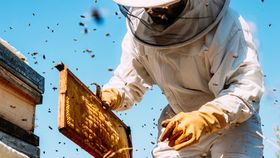


The UK government has been stung after users on its website noticed a link to a bee conservation site was instead sending people to a very NSFW website. Imagine explaining that one to your boss.
In a bid to get the public to care about bees, the UK government’s Department for Environment, Food, and Rural Affairs (DEFRA) set up the Bees’ Needs project. Unfortunately, as The Guardian first spotted, the DEFRA website's link to the Bees’ Needs website actually sends users to an escort website.
“GET LAID FOR FREE! Sex does not have to be complicated,” the website reads.
It’s believed the Bees’ Needs domain name had changed hands since the link was first posted in 2014, unbeknownst to the government agency.
“It’s disturbing to think people such as myself, who are sincerely trying to help pollinators, are not being directed to the correct site,” Adam White, who spotted the error, told The Guardian.
“It shows the government is not taking seriously the threat of loss of pollinators.”

DEFRA has since deleted the dodgy link after being made aware of the buzz around its website and insist they are taking the protection of bees very seriously.
“We are working hard to support our bees and other pollinators – as these species are essential for pollinating crops and in turn human survival,” a DEFRA spokesperson told the Press Association.
“Our Biodiversity and National Pollinator strategies have helped to create over 130,000 hectares of wildlife-rich habitat and our 25 Year Environment Plan will develop a Nature Recovery Network to protect and restore wildlife.”
“Furthermore the Bees’ Needs campaign brings together conservation groups, farmers, and beekeepers to promote good practical advice so we can all do more to provide suitable habitats for bees and other insects.”
Indeed, the world’s bees are in a very sorry state. The US has seen a 40 percent loss of commercial honeybees since 2006, while Europe has seen a 25 percent decline since 1985, according to Greenpeace. This situation is especially worrying because over a third of the food we eat relies on pollinating insects to grow.
There is no one definitive cause of the decline, which makes it even harder to address. However, there a bunch of factors that are known to attribute, including neonicotinoid pesticides, destruction of habitat by industrial agriculture, parasites, pathogens, and climate change.