Nature
 PUBLISHED
 1
1



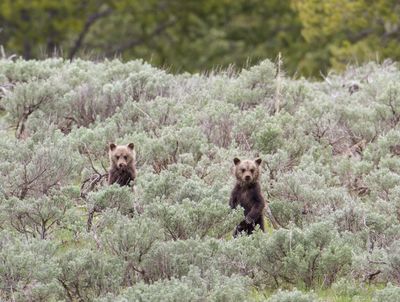


One word is threatening to undermine the US Endangered Species Act (ESA) and the wildlife it’s protected for the past five decades.
On July 10, the US Department of the Interior and the Department of Commerce announced they had finalized a rule rescinding the definition of “harm” in the Endangered Species Act.
The word "harm" was previously defined to include "significant habitat modification or degradation where it actually kills or injures wildlife by significantly impairing essential behavioral patterns, including breeding, feeding, or sheltering."
The new definition, however, effectively means "harm" no longer applies to habitat destruction that kills, injures, or disrupts wildlife.
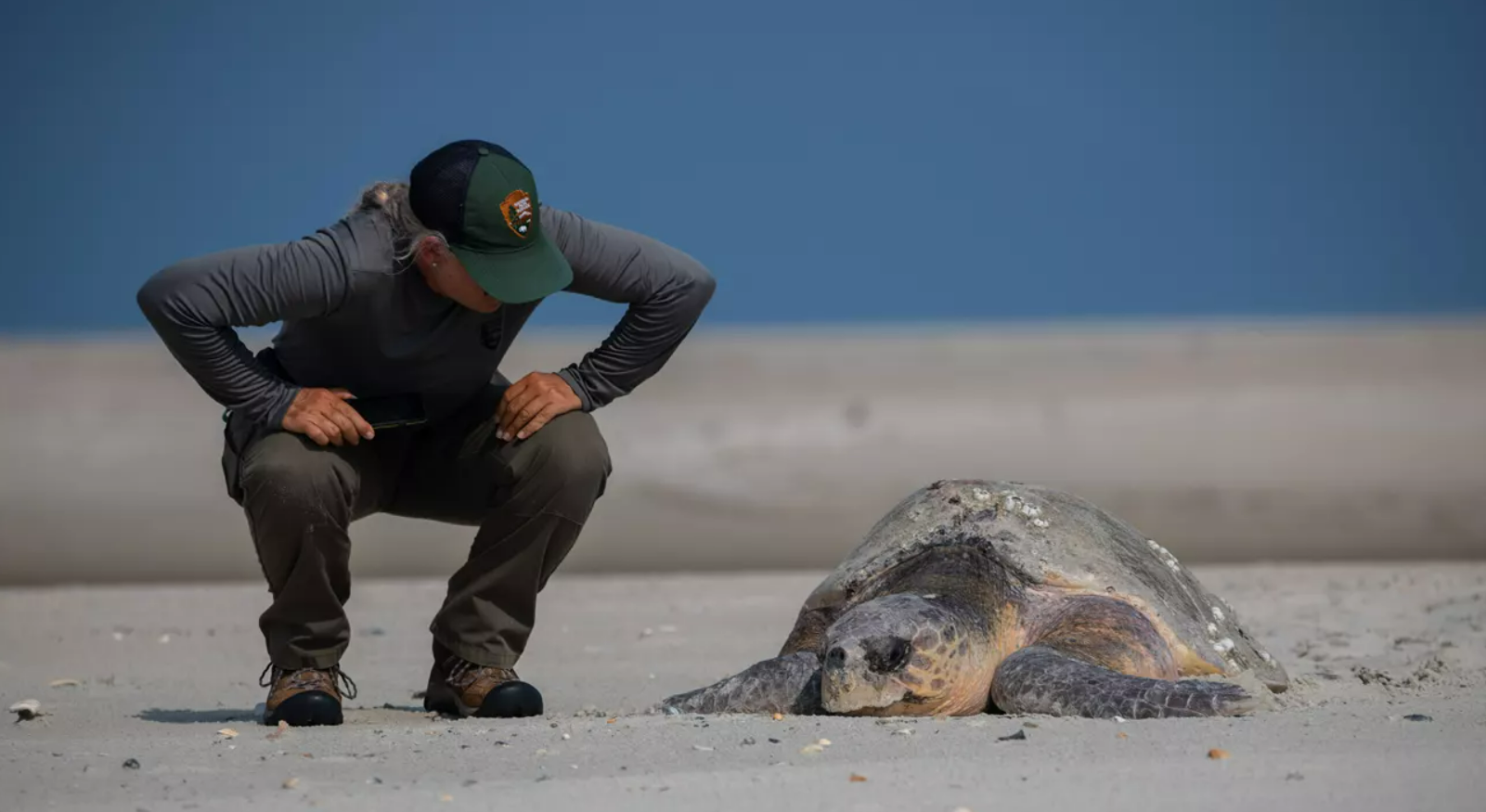
Instead, it primarily applies to direct acts that kill or harm animals and plants listed as endangered or threatened, like shooting a sea turtle or chopping down a maple-leaf oak.
This word has caused trouble before. In 1995, logging and timber interests argued "harm" shouldn't cover habitat destruction. The Supreme Court disagreed, ruling 6-3 that destroying a species' habitat counts as harm too. But that landmark decision is now being swept aside.
There were indications that things could be heading this way.
The Endangered Species Committee – nicknamed the "God Squad' – had not met for 30 years prior to March 2026, when they voted to exempt oil and gas drilling in the Gulf of Mexico from the Endangered Species Act using a never-before-used defense basis. This is now facing a legal challenge.
This new move, however, is far wider reaching.
Reactions to the decision
The Trump administration argues the original definition in the ESA was “misguided” and the reinterpretation is “delivering the kind of common sense and accountability the American people voted for.”
However, conservationists and environmental groups believe the definition is a cynical attempt to open up more natural habitats to logging, mining, oil and gas drilling, and other forms of exploitation.
“The Trump administration continues to sell out our imperiled wildlife to the highest bidder,” said Jane Davenport, senior attorney at Defenders of Wildlife.
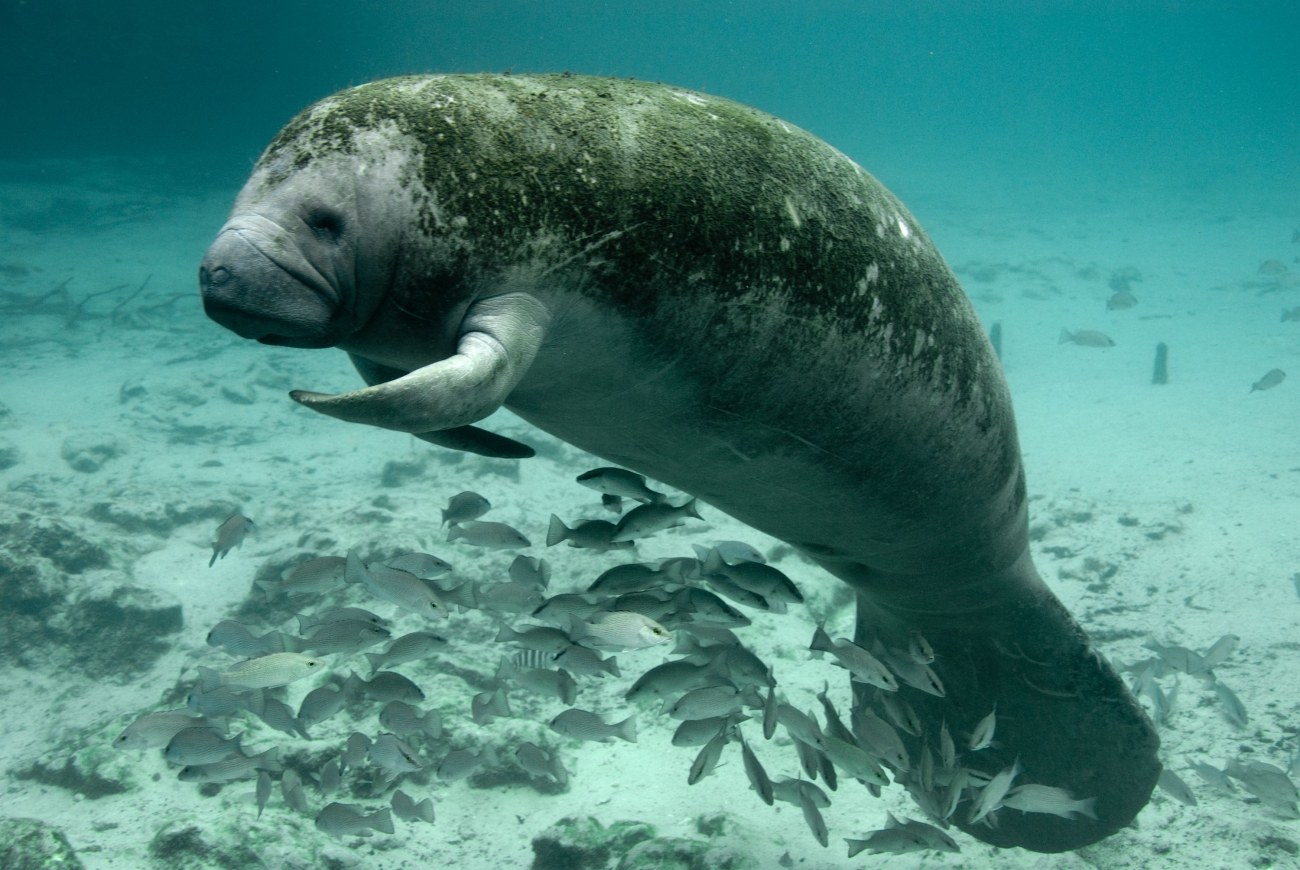
“In the midst of an extinction crisis, with hundreds of species like the Florida manatee and the wolverine desperately needing stronger protections for both themselves and their habitats, the Trump administration is gutting protections to pander to industry interests.”
“Where we see our nation’s irreplaceable wildlife, public waterways and oceans and old-growth forests, they see dollar signs.”
Tara Zuardo, a senior campaigner at the Center for Biological Diversity, said in a statement, “Habitat destruction is the number one threat to endangered species and Trump’s decision to toss out the definition of harm is a death knell for America’s wildlife.”
“If animals don’t have a place to live, they can’t live. Spotted owls, Atlantic salmon, Florida panthers, and thousands of other species need protections for the wild places where they make their homes.”
How will this weaken the Endangered Species Act?
Since being introduced in 1973, the Endangered Species Act has halted the extinction of 99 percent of the species that are listed as endangered or threatened. But many fear the new changes will significantly weaken the act's ability to protect vulnerable species going forward.
And there’s decent evidence to back up those concerns. A study in 2019 looked at the reasons why species were listed as endangered and found that only 17 percent were primarily threatened by direct killing, such as hunting or poaching. However, 81 percent of the species were listed because of habitat loss and degradation.
Several conservation groups, including Earth Justice, have filed a lawsuit against the Trump administration to challenge this new rule, arguing it has no scientific or legal basis and directly contradicts the Supreme Court's 1995 ruling.
“There’s no question that destroying the places endangered species call home will harm them,” added Zuardo.
“Scientists from around the world are warning we’re in an extinction crisis with dire consequences for wildlife, us, and our children. This decision makes as little sense as a kid who covers their eyes and claims you can’t see them. Pretending this crisis doesn’t exist won’t make it go away.”