Space and Physics
 PUBLISHED
 4
4



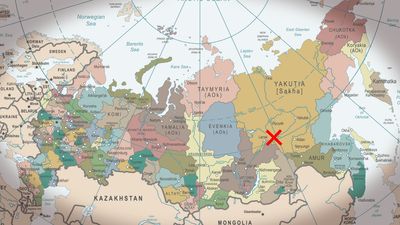


In a matter of hours, a small asteroid will burn over the Siberian skies. This is only the 11th time that an asteroid has been predicted to hit our planet before it actually happened, but it shows that the system of planetary defense is working!
At around 4:15 pm UTC today, the asteroid will burn in the atmosphere. The object is tiny, about 70 centimeters (27.6 inches) in diameter. It's not the smallest known asteroid – a previously predicted impactor holds that record for now. It's still pretty small and a testament to the observatories that can spot these tiny rocks and the software developed to quickly work out where and when they are going to hit.
The asteroid was discovered by the Kitt Peak National Observatory in Tucson Arizona. This is the fourth prediction of an asteroid impact in 2024. In January, a bright fireball burned over Berlin and left behind extremely rare meteorites. In September, a bright fireball exploded over the Philippines. Another one burned over the Pacific in October. Four in one year is a new record!
The region where the fireball is expected to take place is scarcely populated so we might not get footage like after the Chelyabinsk meteor. Plus this asteroid is more than 30 times smaller than that so it won’t be as spectacular or damaging.