Nature
 PUBLISHED
 27
27


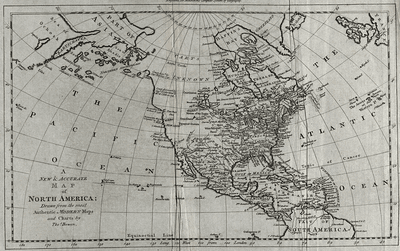


North America is far more than just the US, Canada, and Mexico. In total, the continent includes 23 countries, embracing a rich diversity of cultures, climates, and natural environments.
This is because Central America and the Caribbean can be considered to be "subregions" of North America. When containing these landmasses, the continent totals 23 independent sovereign countries:
Antigua and Barbuda, The Bahamas, Barbados, Belize, Canada, Costa Rica, Cuba, Dominica, Dominican Republic, El Salvador, Grenada, Guatemala, Haiti, Honduras, Jamaica, Mexico, Nicaragua, Panama, Saint Kitts and Nevis, Saint Lucia, Saint Vincent and the Grenadines, Trinidad and Tobago, and the US.
It also encompasses (coincidentally) 23 other non-self-governing territories:
Anguilla, Aruba, Bermuda, Bonaire, British Virgin Islands, Cayman Islands, Clipperton Island, Curaçao, Federal Dependencies of Venezuela, Greenland, Guadeloupe, Martinique, Montserrat, Puerto Rico, Turks and Caicos, Saba, Saint Barthélemy, Saint Martin, Saint Pierre and Miquelon, San Andrés and Providencia, Sint Eustatius, Sint Maarten, and the Virgin Islands.
Bear in mind that the definition of a continent is a bit of a minefield, and there is no single global organization that officially outlines the world’s continents.
Many people in the English-speaking world would have learned in school that there are seven continents: Asia, Africa, North America, South America, Antarctica, Europe, and Australasia. But there are solid arguments that there are anywhere between four and nine continents, depending on how you measure it.
Some provocateurs even argue there are just two continents: Antarctica and the rest world, all of which is loosely connected aside from a few recently emerged straits.
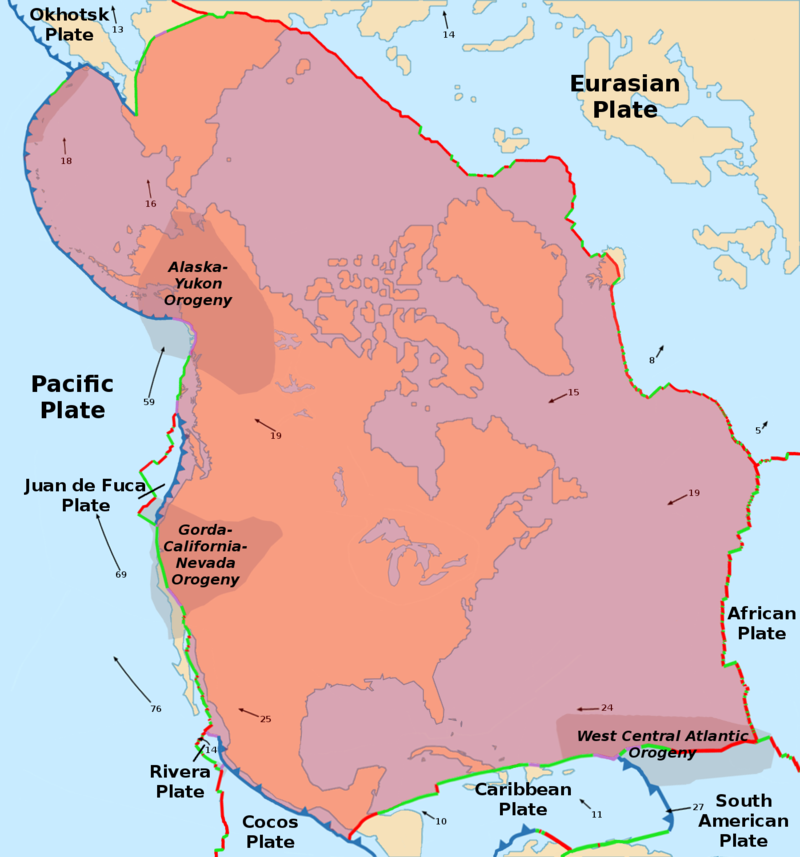
Even when you look at tectonic plates, the vast slabs of slow-moving lithosphere, continental boundaries are fiddly. The North American plate covers most (but not all) of the US, Canada, and Mexico, as well as Cuba, the Bahamas, Greenland, the extreme northwestern edge of Siberia, northern Japan, and parts of Iceland and the Azores.
Ultimately, what we consider a continent is shaped as much by politics, culture, and human history as by geology or geography.