Nature
 PUBLISHED


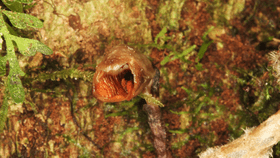


The Royal Botanic Gardens in Kew, England this week announced its new species list for 2020, with 156 new-to-science plants named at the historic gardens. Of those discovered, one has affectionately been crowned the “World’s Ugliest Orchid,” and it is one ugly specimen.
The plant, Gastrodia agnicellus, is originally from a national park in Madagascar and joins swathes of new orchid species described that made up a third of Kew’s list. G agnicellus however, is surely the perfect mascot for a year such as this. Notable for its musky, rose-like fragrance, this heinous orchid goes underground for most of the year, hiding in the damp forest floor. Then, when it’s time to shine, it emerges to produce green-brown, fleshy little flowers that look a bit like a tiny, shouting mouth.
The 156 new plants named by Kew scientists and its partners have come from far and wide, including Africa, Asia, and the Americas. One note-worthy submission from the UK was a new fungus, Cortinarius heatherae, found at London's Heathrow Airport of all places. It was discovered by mycologist Andy Overall along the river on the boundary of the airport and is thought to be a supportive mushroom for beech, birch, and oak trees.

Many of the new species present opportunities for helping people as well as the planet, as they could be a source of revenue for communities or contribute towards the development of medicines or greener fuels. Some of those named are already thought to be threatened as a result of habitat degradation and it's feared that they could go extinct just as we laid eyes on them. However, the research is a positive first step as documenting and studying these botanical species gets us closer towards protecting their future.
“In a challenging and difficult year, it’s so thrilling to see botanical and mycological science continue, with a bumper list of incredible newly named species being documented with our collaborators across the world,” said Dr Martin Cheek, Kew Botanist and Senior Scientist within the Identification and Naming department. “Among this list are some amazing new finds for science, each with their own unique qualities and potential for humanity. However, the bleak reality facing us cannot be underplayed: with two in five plants threatened with extinction, it is a race against time to find, identify, name and conserve plants before they disappear."
“We hope this list inspires people to realise the beauty and vital importance of plants and fungi and support Kew’s work to find, document and understand these species so they can be protected,” Dr Cheek said.

 1
1