Humans
 PUBLISHED
 6
6


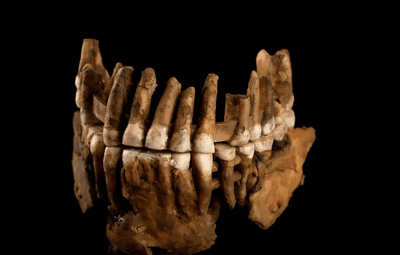


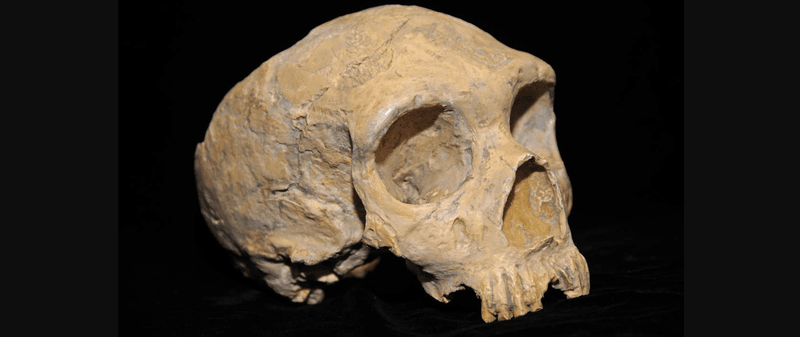
A fossilized Neanderthal skeleton unearthed in France may have belonged to a previously undescribed lineage that split from other Neanderthals around 100,000 years ago and remained isolated from others for at least 50,000 years.
In an interview with IFLScience in 2024, Ludovic Slimak, co-first study author and paleoanthropologist at the University of Toulouse, said: “I would underline that 50,000 years of divergence is what separates the tiny dog of your grandma from a wolf.”
In other words, this population had been isolated for so long that they were pretty different from "average" Neanderthal.
A nod to The Hobbit
To mark its significance, the researchers named the mysterious Neanderthal “Thorin” after a character from the universe of J. R. R. Tolkien.
“Thorin in The Hobbit is one of the last dwarf kings under the mountain and the last of its lineage. Thorin the Neanderthal is also an end of the lineage. An end of a way to be human,” explained Slimak.
“Thorin reveals an unknown Neanderthal population and rewrites our understanding of the last great extinction of humanity,” he explains.
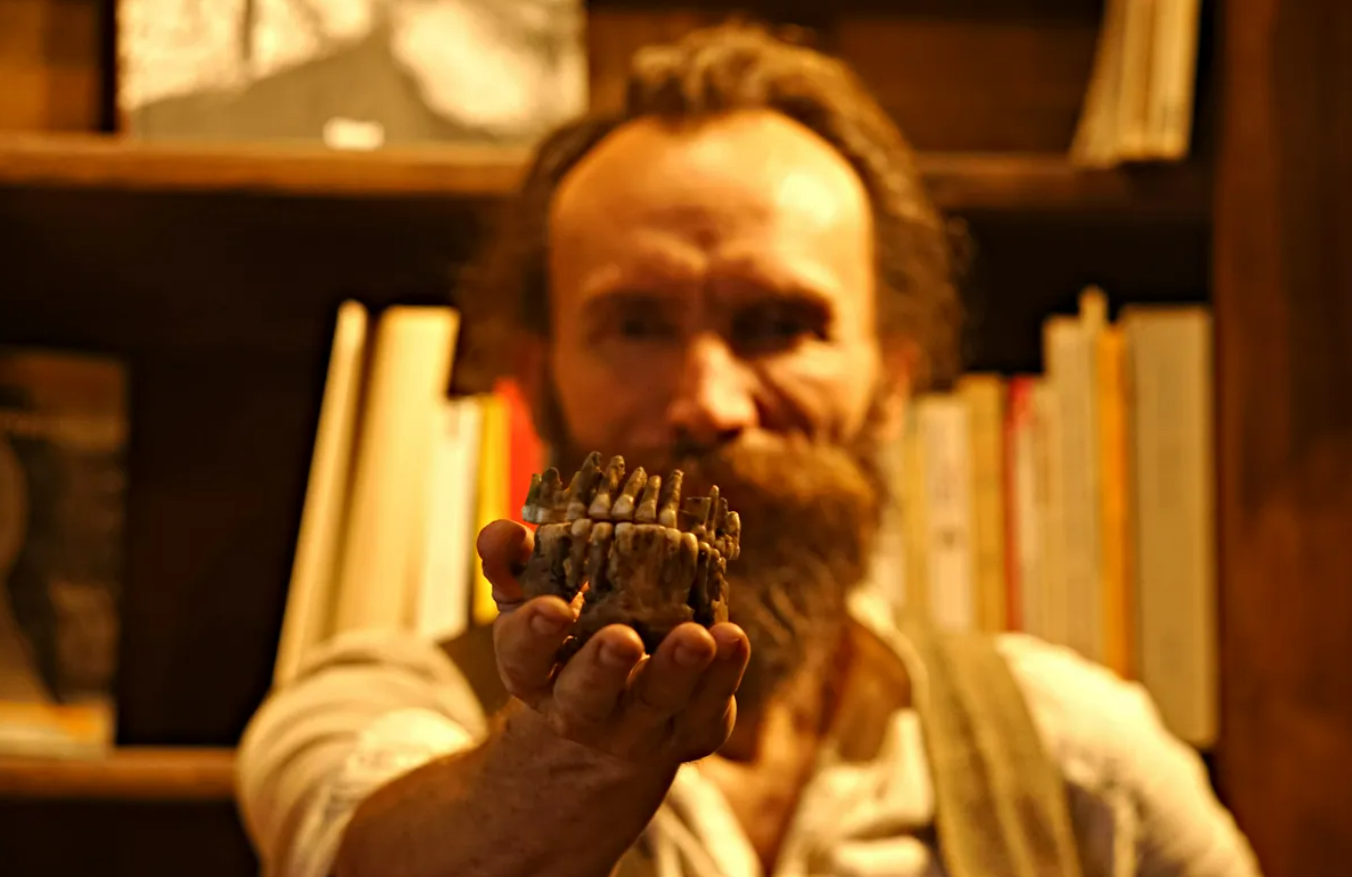
The discovery of the skeleton
The remains were discovered in 2015 within a cave system of France’s Rhône Valley that was known to be home to early Homo sapiens. However, in a 2024 study, researchers showed the cavern also housed Neanderthals at a different point in time, around 40,000 to 45,000 years ago, towards the end of their existence as a species.
Upon sequencing its full genome, the researchers realized this wasn’t like any other Neanderthal found before.
Despite its apparent age, its genetic makeup was more closely related to the genomes of early Neanderthals who lived more than 100,000 years ago, suggesting the individual belonged to a population that had remained isolated from others for at least 50,000 years.
“The divergence between Thorin and the other Late Neanderthals is comparable to all modern humans out-of-Africa. As we all know, [there is a] wide phenotypic diversity of modern humans, I would expect similar diversity among Neanderthal populations," Martin Sikora, senior author of the study from the University of Copenhagen, told IFLScience.
Why did they remain isolated?
The extent of the divergence is especially strange because other late Neanderthals lived relatively close to Thorin, although it seems there was little-to-no contact between the groups.
Surprised by this disconnect, the researchers explored the idea that the dating of the cave’s sediment (around 40,000 to 45,000 years ago) was a misunderstanding. They analyzed isotopes from Thorin’s bones and teeth to gain insight into what type of climate he inhabited: late Neanderthals lived during the chilly Ice Age, while early Neanderthals experienced a much warmer climate.
Their analysis affirmed that Thorin lived in a very cold climate, making him a late Neanderthal. For reasons that remain unclear, however, Thorin and his population simply did not intermingle with the wider population.
It would be almost unimaginable for Homo sapiens to maintain this level of severance, the researchers say, but perhaps our Neanderthal cousins didn’t think like us.
“The Thorin population spent 50,000 years without exchanging genes with other Neanderthal populations. We thus have 50 millennia during which two Neanderthal populations, living about 10 days' walk from each other, coexisted while completely ignoring each other,” Slimak said in a statement.
“This would be unimaginable for a Sapiens and reveals that Neanderthals must have biologically conceived our world very differently from us Sapiens,” he noted.
The study was published in 2024 in the journal Cell Genomics.
A previous version of this article was published in September 2024.