Nature
 PUBLISHED
 1
1


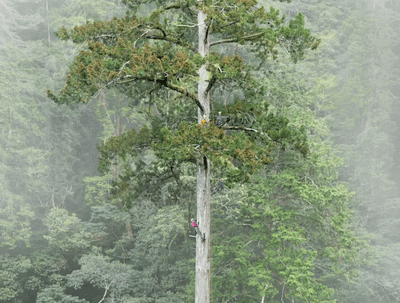


After nearly 10 years of forest treks and scientific sleuthing, researchers have finally pinpointed East Asia’s tallest tree: “The Heaven Sword.” Measuring 84.1 meters (nearly 276 feet), you might expect it to be relatively easy to find such a huge object, but the task was anything but simple.
“When we confirmed the tallest tree, we were so relieved because it was really a long journey to achieve that result,” Dr Rebecca Chia-Chun Hsu, study author from the Taiwan Forestry Research Institute, told IFLScience.
The story of this epic search for East Asia’s tallest tree is the subject of a new study published this week. You can see the specimen, in all its glory, from top to bottom, in the image below. Prepare to scroll for a while...
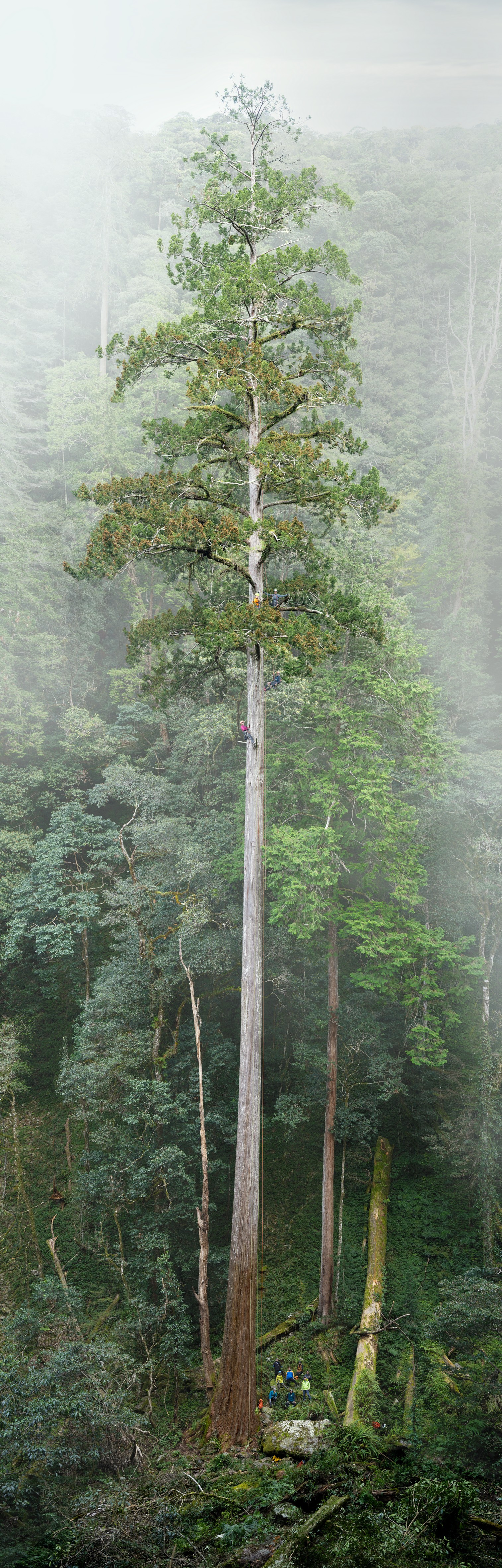
It was discovered in Taiwan, an island that’s known to harbor exceptionally tall trees amid its rugged mountain terrain. Chief among them is a species known as the Taiwania fir (Taiwania cryptomerioides), a giant that the local Indigenous Rukai people would call “The tree that hits the moon.”
“Taiwan is an island across the Tropic of Cancer. So the island holds many tree species from both temperate and tropical regions. Thanks to the massive area of steep mountains, many old-growth forests remain untouched by past logging,” added Chia-Chun Hsu, speaking to IFLScience.
The search was launched in August 2014, when researchers from the Taiwan Forestry Research Institute set out in pursuit of a legendary grove known as the "Chilan Three Sisters." Located in the Chilan conservation area, rumors about this giant trio had circulated for years, yet they had never been scientifically documented.
The team managed to track them down, with the tallest measuring 69.3 meters (227 feet) and a trunk diameter of nearly 3 meters (nearly 10 feet) – certainly impressive, but the researchers suspected even bigger firs were out there.
They next turned their attention to a more remote region near Mount Benya and Great Ghost Lake, where locals suggested the largest population of Taiwania firs might be found. The expedition was grueling, requiring four days of heavy hiking through dense forest. They managed to climb a 71.7-meter (235-foot) tree during that trip, but still suspected that more scientific methods might reveal something taller.
To become more rigorous with their approach, the team used LiDAR (Light Detection and Ranging), a technology that sweeps across vast swaths of landscape by firing laser pulses from an aircraft.
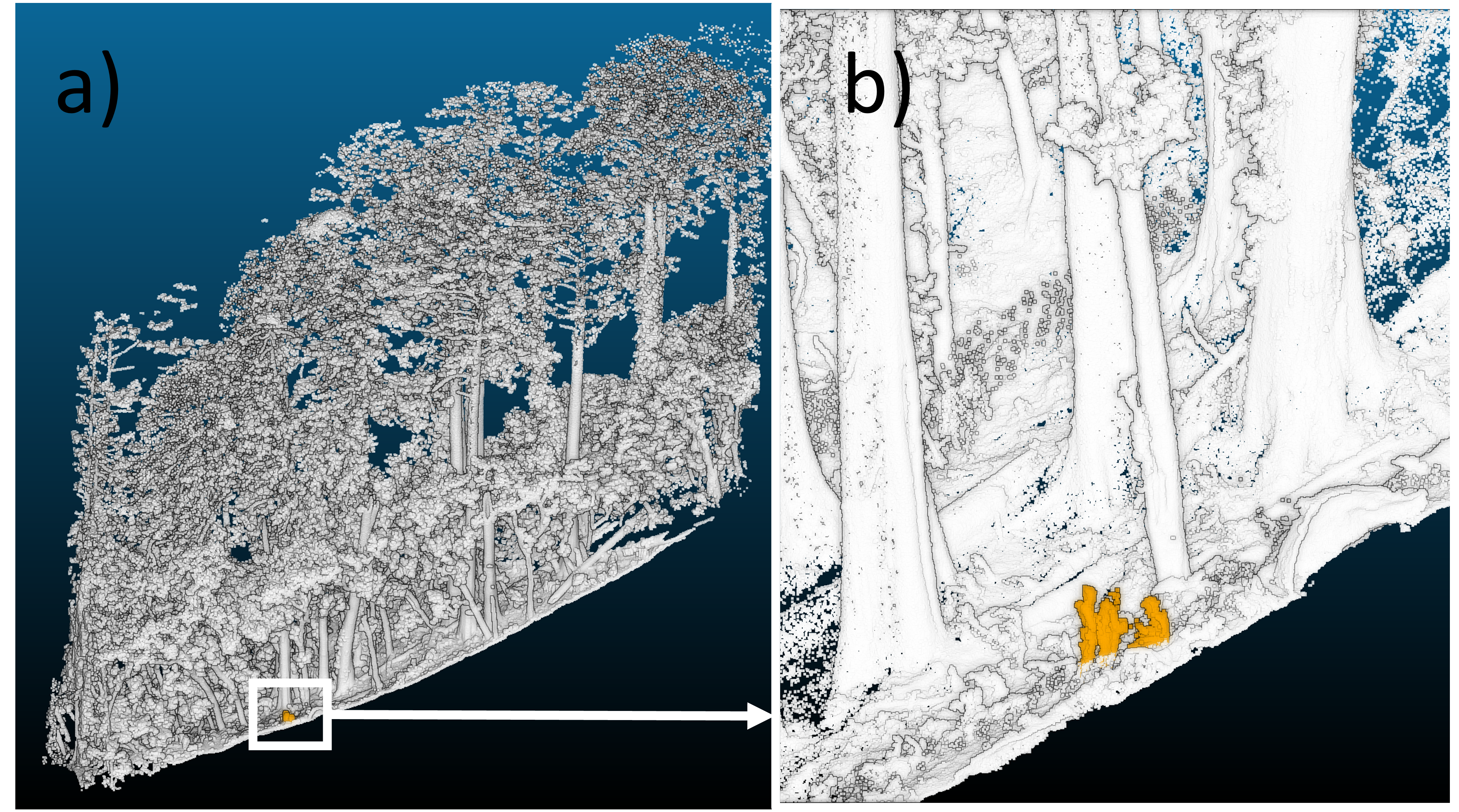
But there was a small hiccup. Taiwan's unique geography can be deceiving to these airborne, technological methods. On rugged, uneven terrain, trees perched beside steep cliffs can appear far taller than they actually are, for instance.
To overcome this hurdle, they simply used hundreds of people to double-check the LiDAR findings, as human eyes are much better at recognizing these subtleties. It turned out that the algorithm had misjudged the height of around 93 percent of the trees in the survey.
As a result, the team published the "Taiwan Giant Tree Map" by the end of 2022, flaunting 941 individual trees that stood over 65 meters (213 feet) in height.
In January 2023, during the Lunar New Year holiday, they launched a fresh expedition to find the tallest tree on the map. When they believed they had found it, climbers scaled the trunk and dropped a measuring tape from the very top to confirm it.
It was official: the “Heaven Sword of the Da’an River” was recorded as the tallest specimen in Taiwan and East Asia, measuring 84.1 meters (nearly 276 feet).
The tree atlas also led the scientists to an extraordinary "temple of giants" near Mount Benya, featuring a grove of 11 trees each exceeding 65 meters (213 feet). They also discovered a new "pure forest" of around 30 giant Taiwania firs near Great Ghost Lake, growing in a dense, ancient cluster.
These pockets of gigantic Taiwania firs are vital not only to the species' health, but to the health of the planet itself. As immense stores of living wood, these trees draw down huge quantities of carbon from the atmosphere, locking it away in their trunks and root systems.
Without them, Earth would be in an even sadder state.
“These trees are vital for the planet’s health,” the researchers wrote in a post about their discoveries.
“Taiwan’s giant forests [are] some of the most carbon-dense environments in the entire world, comparable to the most famous old-growth forests on Earth. These ‘trees that hit the moon’ are not just natural wonders; they are essential guardians of the environment,” they added.
The study is published in the journal Frontiers in Forests and Global Change.