Nature
 PUBLISHED
 1
1


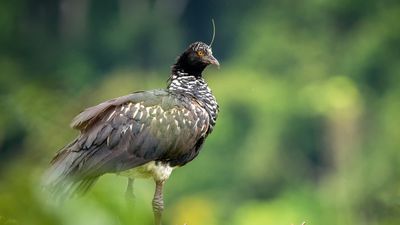


Cutting about the tropical wetlands of South America is a bizarre bird that’s a “unicorn” amongst its peers in more than one sense of the word. Like the mythical creature, it has a “horn” on its head – and this is also a feature seen in no other known bird. The unique animal in question? The horned screamer (Anhima cornuta).
Obviously, we’ve first got to acknowledge what an amazing name that is (ornithologists really pop off when it comes to naming birds for some reason), but the horned screamer’s “horn” really is its defining feature. Jutting out from its forehead, this distinctive projection is typically about 15 centimeters (6 inches) long. It’s also made of cartilage, meaning it’s not technically a true horn – they’re permanent, and made of bone surrounded by keratin – but that doesn’t make it any less cool in our opinion.
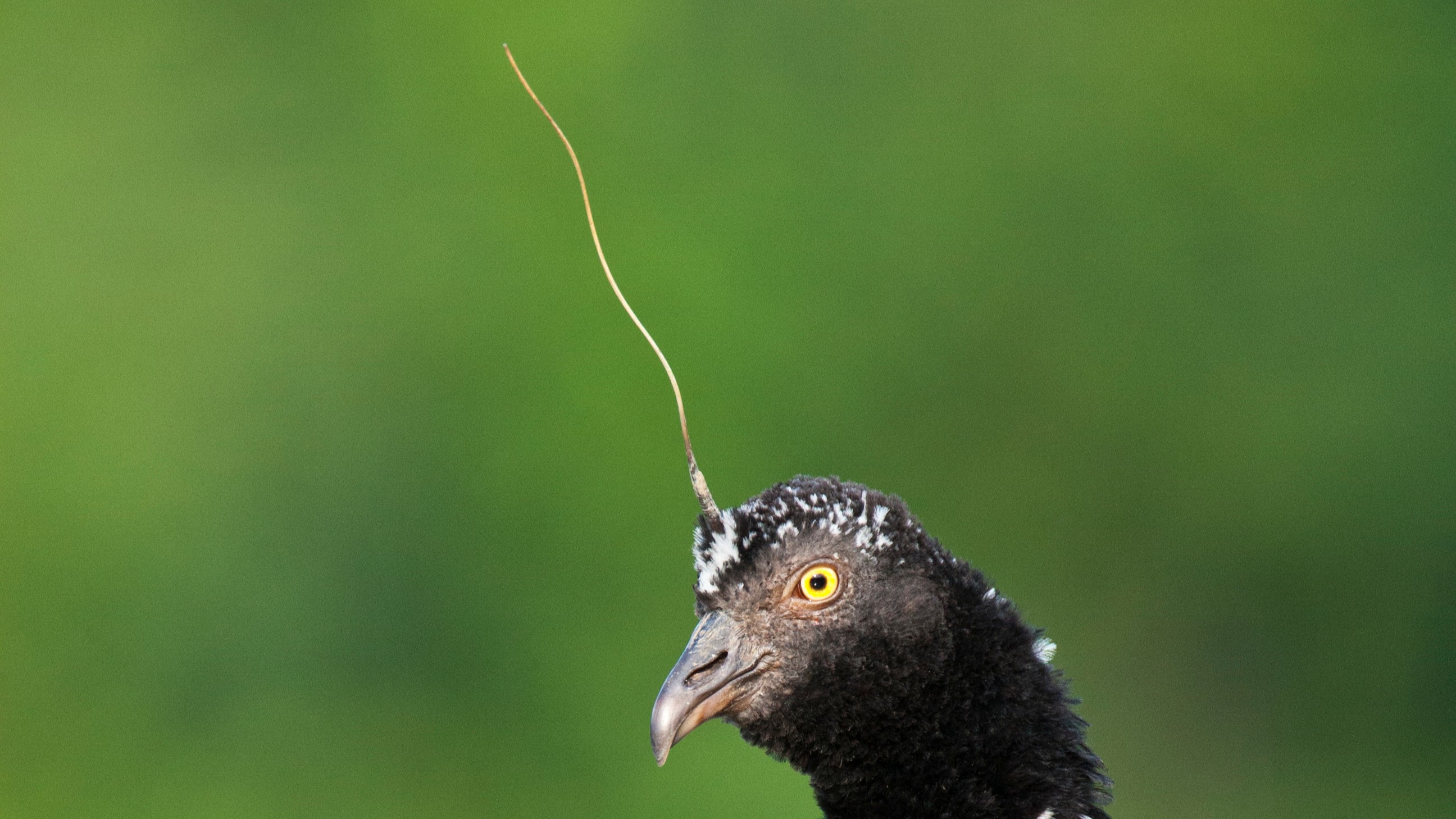
Unlike some other animals with appendages on their heads, the horned screamer doesn’t seem to use its spiky headgear for defensive purposes. If it did… well, it wouldn’t be a very long-lasting weapon. The horn is only loosely attached to the bird’s skull, and as a result, can break off relatively easily. It grows back over time, but that’s not much use if they happen to find themselves in a scrap as it does so. Instead, the horn is generally thought to be ornamental.
What this bird does use in a fight are some super sharp wing spurs. Measuring in at around 2 to 5 centimeters (0.8 to 2 inches), male horned screamers whip these bad boys out when defending their territory against intruders. Particularly unlucky trespassers or defenders have even been known to come out of these fights with broken spurs lodged in their breasts. Ouch.
Adding even more evidence as to why its name is incredibly appropriate, the horned screamer is also really, really vocal. It makes many loud vocalizations, including trumpeting and a goose-like honking sound, but one of its most distinctive is the “mo-coo-ca” call. This is thought to be used to alert other horned screamers to the presence of a potential predator.
But vocalizations aren’t the only kind of noise it can make. Should you ever come across a horned screamer taking off, you may well hear a crackling noise. This can happen because the horned screamer has a wealth of small air sacs within its skin and bones, which comes with the advantage of reducing its weight, making flight more energy efficient. It also means, however, that should all the air sacs collapse at once – which does happen on occasion – it makes one hell of a racket.
Our conclusion from all this? The horned screamer really is a bonkers bird, and honestly, we’re totally here for it.