Nature
 PUBLISHED


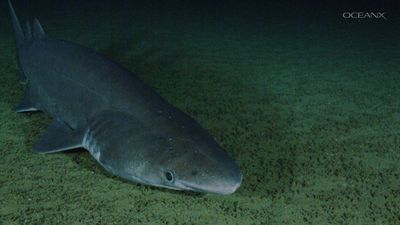


Bramble sharks are incredibly camera-shy. Typically found lurking at the bottom of the seafloor, this elusive species is scarcely ever seen alive in its natural habitat. So, you can imagine the surprise when researchers from OceanX managed to stumble across an individual while exploring the deep waters off the coast of the United Arab Emirates, a pocket of the world where they’ve never been observed before.
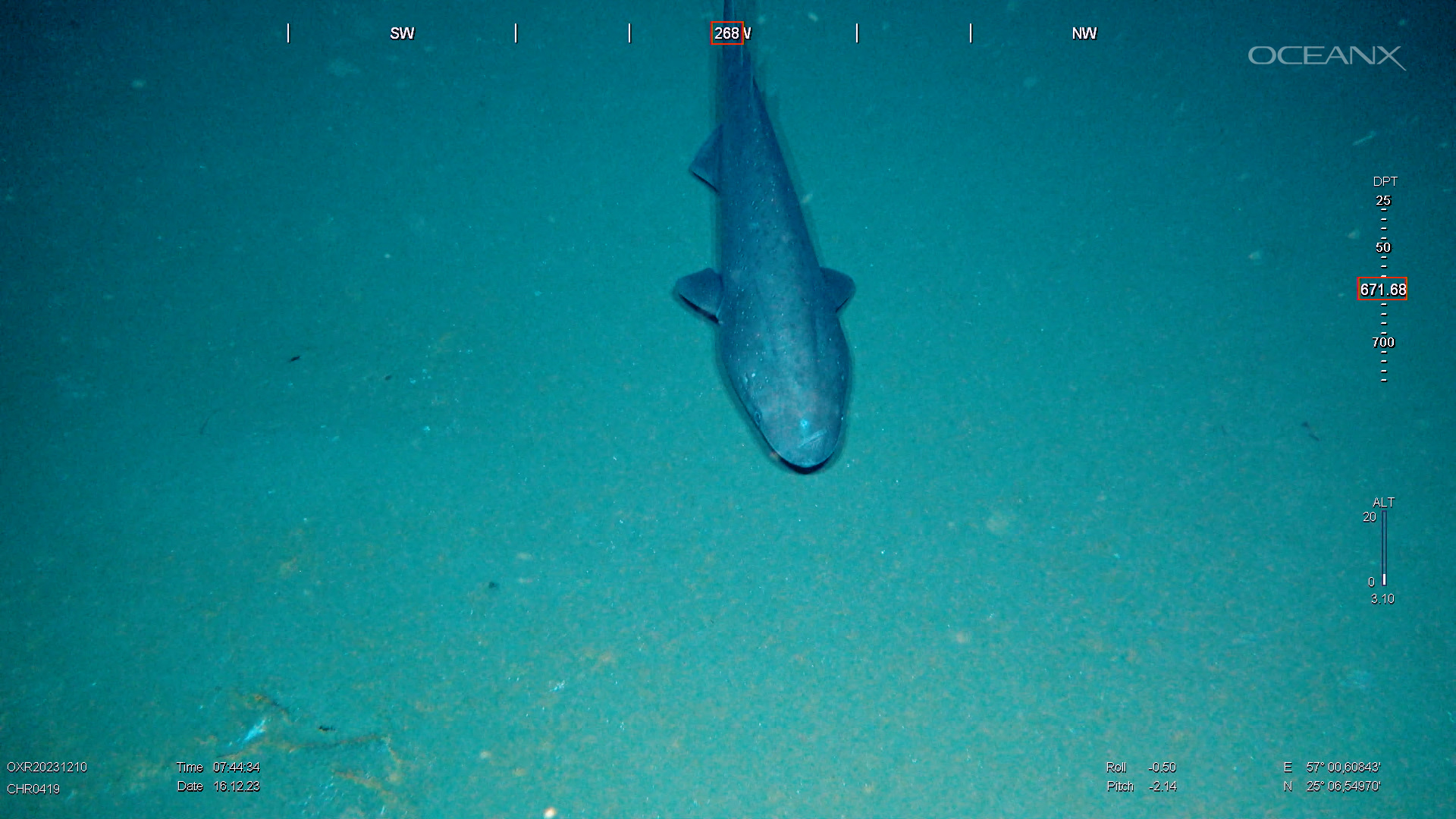
The footage (below) was captured in December 2023 by OceanX while cruising around the Gulf of Oman in a submersible vehicle at depths of around 850 meters (~2,800 feet).
“It was super cool. On that dive, we hadn't really seen much up until that point, so we were just exploring around and hoping to see something,” Cassidy Nelson, a Junior Editor at OceanX who captured footage, told IFLScience.
“When we saw it, we were actually eating lunch, so we were kind of caught off guard. It just emerged out of nowhere and then was hanging around us. It gave us a good amount of time to look at it, get some good shots, and talk to those who were in mission control,” she added.
Given their obscurity, little is known about bramble sharks. They have been spotted in deep waters across the world (except for the Western Pacific) but their true extent and scarcity are not fully understood.
“It's all very mysterious. OceanX capturing footage of a live bramble shark in its natural habitat is extremely rare,” added Jeriyla Kamau-Weng, Research Analyst at OceanX.
Most knowledge about the species comes from specimens that have been accidentally caught by the trawl nets of commercial fishers, suggesting the little-known species is being impacted by human activity.
“Most of the specimens that people have from around the world are either dead or dying. Usually, when you see deep-sea organisms near the shallow regions, it's usually because they're about to die or they have some kind of sickness,” Kamau-Weng explained.
“Based on the fact that they come up in trawl nets a lot, I believe that the main threat to their existence is bottom trawling and unsustainable fishing practices that have to do with the deep sea,” she added.
OceanX is keen to understand how climate change is affecting the planet’s deep-sea environments. The deep ocean absorbs vast amounts of heat and carbon dioxide from Earth’s atmosphere, providing a much-needed buffer to some global warming. However, evidence is emerging that even the deep sea is feeling the strain of warming temperatures.
“In the face of climate change, this work is especially important because there's a thought called the 'deep sea refugia hypothesis'. Basically, as organisms start facing the pressures of climate change in the shallows, they start going towards the depths,” Kamau-Weng told IFLScience.
“It's especially important to not only discover and explore these regions, but also to record them so that we have enough data to provide to policymakers to enact the policies that will allow for conservation measures to protect these unique and fragile habitats,” she concluded.