


 Nature
 PUBLISHED


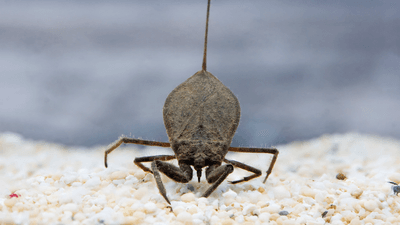


Which scorpion sounds like a scorpion, looks like a scorpion, but isn’t a scorpion? Why, it’s the water scorpion, of course, known scientifically as Nepa cinerea. These unique aquatic insects have some truly peculiar adaptations that have shaped them into stealthy underwater hunters with what’s effectively a snorkel sticking out of their butts.
Water scorpions are also known as Nepidae, a family of exclusively aquatic insects in the order Hemiptera, which includes the “true bugs”. That puts them alongside around 80,000 other species, including suicide-bombing aphids, bed bugs that skewer their mate's abdomens with their penises, and assassin bugs who wear their victims’ corpses like a cloak of invisibility.
With such entomological freaks for order partners, you might think it’d be hard to stand out, but the water scorpion has a very distinctive feature in the form of a slender tail-like appendage that – given their name – looks a bit like a stinger. As it happens, it’s basically a snorkel.
Known as a siphon, the appendage can be pushed through the water to the surface to collect air that the water scorpion then stores under its wings for later use. Water scorpions walk through their aquatic habitats rather than swimming, so they trot along the shallow water’s edge, butts up, in search of prey.
They are proficient hunters in spite of their lack of swimming skills, relying on stealth and patience to ambush prey like tadpoles, insects, and occasionally even small fish. This is where the nickname starts to make sense, as they are armed with raptorial front legs that are perfect for snatching a reluctant meal.
The hunt is made all the easier for some water scorpions whose camouflaged bodies blend in seamlessly with aquatic environments that are wallpapered with the brown hues of rotting wood, decaying leaves, and silt. Combined with their scorpion-like forelimbs, these traits come together to create a stealthy underwater hunter that helps to balance the ecosystem by controlling population numbers of smaller prey species.
As it happens, there’s a whole host of benefits to predators in an ecosystem beyond their hunting prowess.

 1
1