Nature
 PUBLISHED




What you'll discover in this article
- A collection of prehistoric shark teeth found in the Egyptian desert has revealed five extinct species, including two never reported in Egypt before.
- At least one species has never been found in Africa before and may be the youngest specimen to date.
- Lead author Tarek Yassin told IFLScience the discovery is significant as it "gives us a glimpse into a much more diverse marine ecosystem than we previously knew existed."
This is your weekly reminder that sharks have been on Earth for longer than trees, emerging some 450 million years ago when the world was virtually unrecognizable from today. Very occasionally, you'll find a reminder of sharkkind's extreme longevity, just as palaeontologists have recently done in the barren badlands of Egypt.
A new discovery in the desert
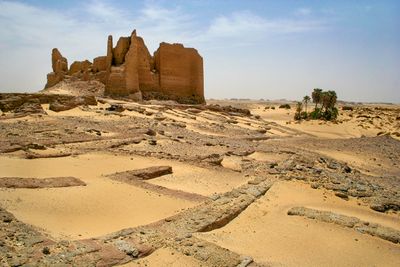
The discovery comes from the Abu-Tartur Plateau in Egypt's Southwestern Desert, a sparsely populated region about 650 kilometres (400 miles) southwest of Cairo.
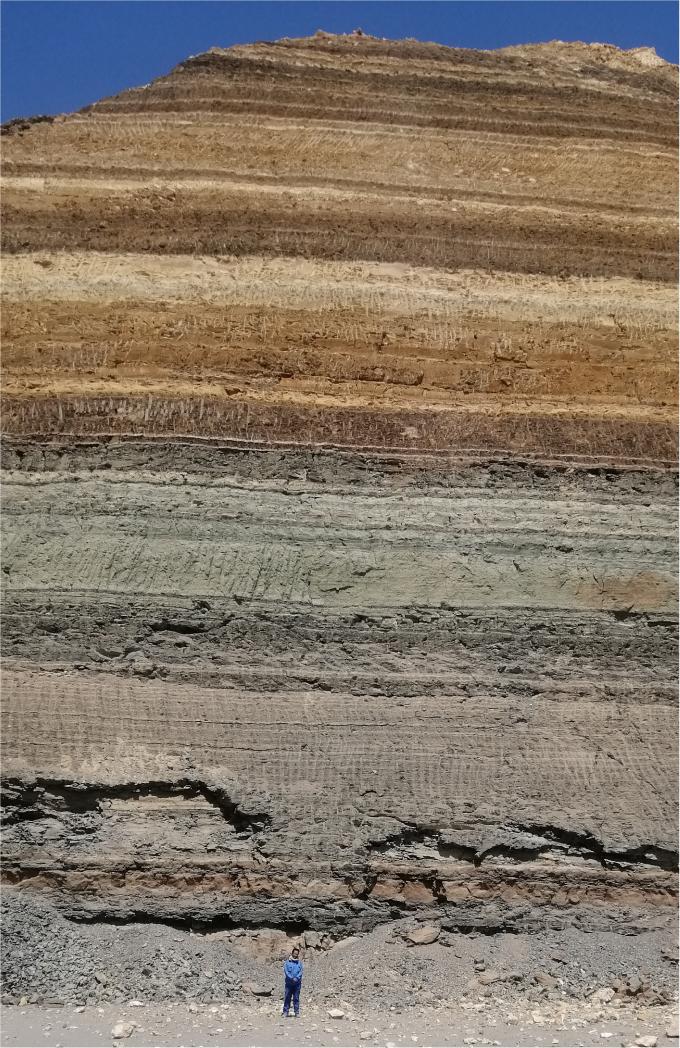
Within a layer of geology dated to the Late Cretaceous, between 100.5 and 66 million years ago, a team of researchers led by Tarek Yassin from Cairo University recovered a treasure trove of prehistoric shark teeth.
The collection of 14 teeth included at least five extinct shark species, two of which have not been identified in Egypt before, including Cretalamna cf. C. maroccana, Scapanorhynchus cf. S. raphiodon, Serratolamna cf. S. serrata, Squalicorax bassanii, and Squalicorax pristodontus.
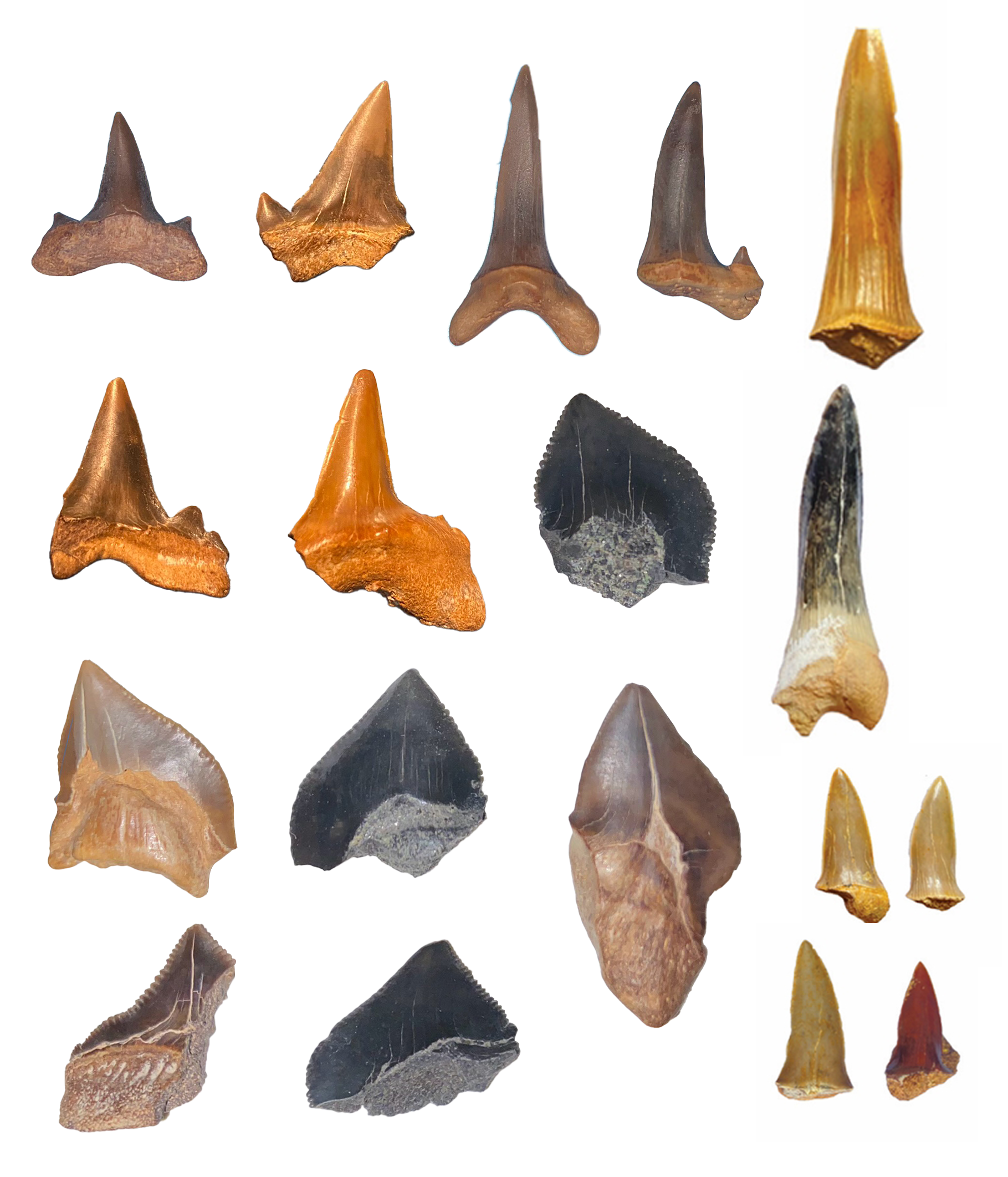
The Scapanorhynchus cf. raphiodon is notable for being potentially the first known evidence of this shark in Africa. It's also significantly younger than the other fossils, so it may be the youngest known specimen of this species found to date.
"What makes this discovery especially significant is that it gives us a glimpse into a much more diverse marine ecosystem than we previously knew existed in this part of North Africa," Tarek Yassin, lead study author from the Geology Department at Cairo University, told IFLScience.
The team had previously found fossilized teeth from two types of mackeral sharks in the area.
"The presence of seven shark species in the same location, including species never before recorded in Egypt and one reported from Africa for the first time, adds important new evidence about Late Cretaceous marine biodiversity."
This was once a warm, bustling ecosystem
Of course, these sharks were not desert-dwellers. Today, the area is a vast desert dotted with the odd oasis and human-made ruin. However, between 250 million and 35 million years ago, much of present-day Egypt was covered by a prehistoric ocean.
And quite the sea it must have been. The sheer diversity of the sharks found at the Abu-Tartur Plateau suggests it was a bustling marine ecosystem, comprised of small fish and invertebrates at the bottom of the food web, mid-sized predators like Squalicorax and Cretalamna in the middle, and apex predators like Cretoxyrhina at the top.
At 7-8 meters (24-26 feet) in length and weighing around 5,000 kilograms (11,000 pounds), Cretoxyrhina was one of the largest sharks of the time, larger than today's great white sharks, which top out around 6 meters (20 feet).
This richness was likely thanks to the sea's prime location on the outer edge of the continental shelf and the upper part of the slope leading into deeper water. Here, the waters could be constantly replenished with nutrients from the ocean's depths, fostering a booming biodiverse ecosystem.
Further evidence of the ecosystem's abundance is the presence of phosphate in the local geology, which generally indicates a nutrient-rich environment and healthy marine productivity.
"For me, the most exciting part is knowing that there is still so much we don't know about this region. This discovery is likely only one piece of a much larger story, and we hope to continue exploring the area and uncovering more of it," Yassin said.
Thank the universe for shark teeth
Shark teeth can stay remarkably well preserved for tens of millions of years because of geological processes that mineralize them after burial. That's fortunate for palaeontologists since a shark's entire skeleton is made of squishy cartilage, which breaks down quickly once it's exposed to the marine environment.
A clear example of this is the Megalodon, the notoriously large extinct shark that may have grown up to 20 meters (66 feet) in length. Scientists have never recovered a full skeleton, but we know about their mighty existence thanks to hand-sized fossilized teeth and a handful of vertebrae.
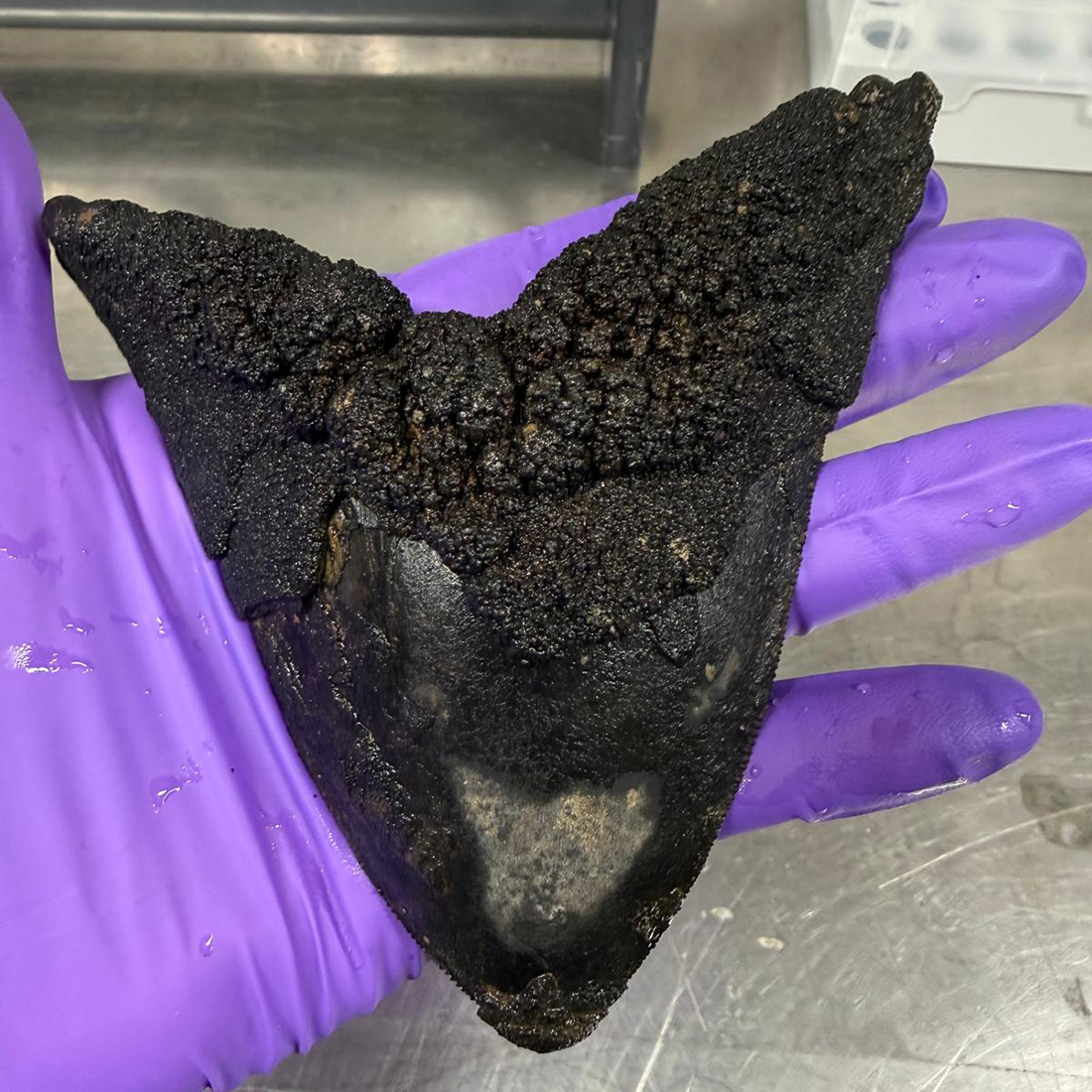
Thanks to this durability, shark teeth are common in the fossil record, often appearing in the most unexpected places, from the Grand Canyon to underground caverns in Kentucky.
However, shark teeth aren't the only relics from prehistoric marine life that stick around. Further north in Egypt, closer to Cairo and the Mediterranean coast, there’s a site called Wādī al-Ḥītān, or Valley of the Whales in English, home to hundreds upon hundreds of whale skeletons.
It's so comprehensive that you can trace the evolution of whales as they first returned to the sea and became increasingly adept at life in the waves.
The new study is published in the journal Cretaceous Research.


 1
1