Nature
 PUBLISHED
 1
1



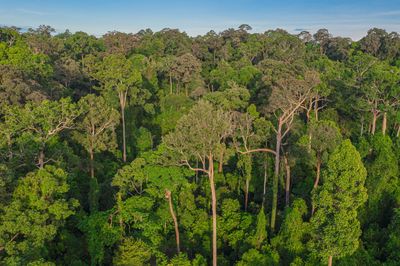


Unfortunately, we are all well aware of the number of species under threat or in decline. Birds are displaced due to urbanization, invasive species, diseases, and conversion of land for agriculture. But there is also a more subtle change happening: in areas of thick rainforest that should provide plenty of a habitat and food for these species, the birds are going silent.
Understandably, this is worrying scientists. Why are birds in seemingly healthy forest ecosystems declining? Is there some unseen stressor, are climate consequences changing food supplies? Some of the first reports came from Ecuador: in mist net surveys carried out between 2001 and 2013, the number of birds caught fell 40 percent. A 2015 study showed that insect feeding birds were the most affected.
“The first few years doing this I could stand in one place and in 15 minutes have 20 or 30 species,” study author John Blake told Science. “Now I can stand there and get two or three.”
Researchers think this could be tied into La Niña, a climate event that can cause winter temperatures to be warmer in the south and colder in the north, it can even lead to more severe hurricanes.
The trend isn't the only worrying one, either. Scientists found that birds weigh less now than in the 1980s; again, insect feeding birds were the most affected. All the while, more and more results reported largely the same thing; fewer and fewer birds were being recorded. "Our model predicted that a 1°C increase in average dry season temperature would reduce the mean apparent survival of the understory bird community by 63%," wrote the authors of a paper published last year.
It seemed the climate was to blame. By comparing weather data with bird data, the team could see that drier, hotter dry seasons were associated with lighter birds, though extremes at each end had a big impact.
To try to combat this change, a group of researchers including Jared Wolfe, one of the authors of the paper, came up with a pretty novel idea: to water the rainforest. The team sprayed 68,000 liters of water into the undergrowth between August and November to bring the dry season rainfall levels back in line with the levels of the 1980s.
Over the dry seasons for 2024 and 2025, the team caught birds alongside the watered areas and in dry unwatered places to compare, in 2025 they expanded the researcher to catch insects as well. The first year showed lots of improvements, the birds had higher fat levels in their blood and showed more physical signs of breeding.
However, in 2025, the following wet season was a soaking, with more than double the rainfall of the year before. The swing between weathers makes it difficult to compare, but early data suggest the birds are doing better in the wet. “That’s pretty nuts,” Wolfe told Science. “Those birds really like wet dry seasons.”
A thorn in the side of the experiment, and undoubtedly further research, is the lack of funding in the hostile environment of the Trump administration, which has repeatedly backed climate-skeptic policies. Fortunately, the researchers have found enough to fund a third year of their watering experiment, but without continued long-term data, we may not learn enough to prevent the rainforest from falling silent.
[H/T: Science]