Nature
 PUBLISHED


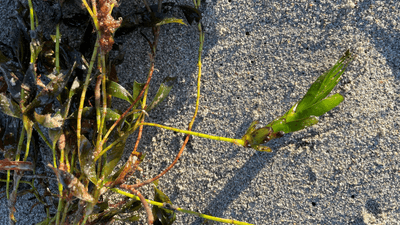


A new study into one of Earth’s most critical habitats has discovered that a species once thought to reproduce through creating genetically identical clones actually “gives birth” to unique individuals. It’s big news for our understanding of seagrass reproduction, and a huge helping hand for efforts to conserve seagrass meadows and the many ecosystem services they carry out.
Seagrass meadows form some of the most biodiverse habitats on the planet and are the only known marine flowering plants. They can support tens of thousands of fish and millions of invertebrates, all while sequestering carbon up to 35 times more effectively than tropical rainforests. Healthy seagrass habitats provide so many benefits, but they are in trouble.
Human-driven pollution, habitat degradation, disease, and rising ocean temperatures have triggered a crisis for the planet’s seagrasses. Ensuring their survival can help us to tackle climate change – a goal that just got an unexpected boost in the form of bouncing, genetically unique baby seagrasses.
The seagrass in question is Amphibolis antarctica. An ecologically significant species that forms the foundation of coastal ecosystems in Australia, it was known to produce large, well-developed viviparous seedlings. In case we lost you at viviparous plants, here’s corresponding study author Professor Jennifer Verduin of Murdoch University to break it down for you.
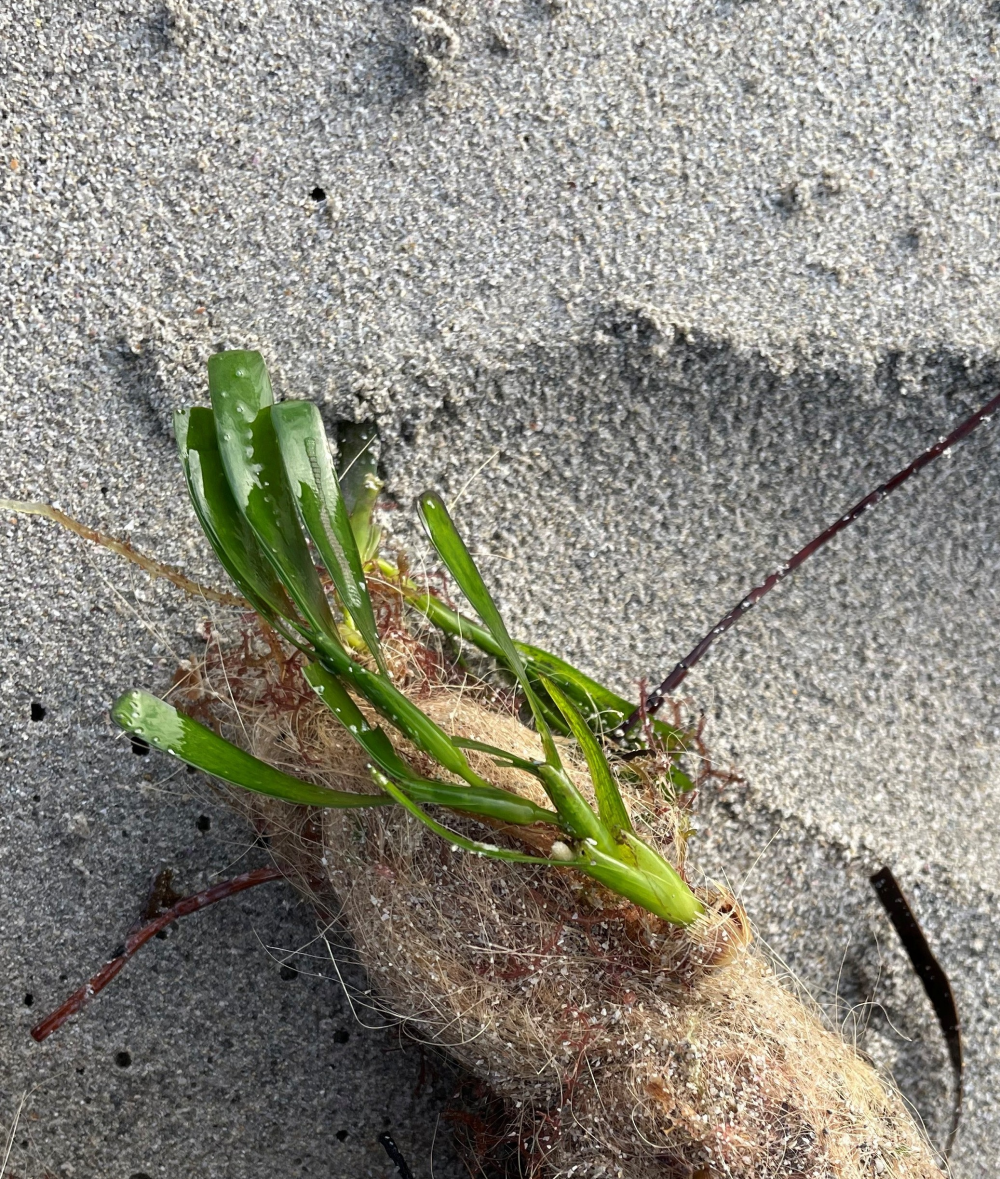
“Viviparous is a word we usually hear with animals, but it can apply to plants too,” she said in a statement. “It means that the young plant starts to grow into a seedling while it is still attached to the mother plant. A good way to picture it is that instead of dropping a small seed and hoping for the best, the plant releases a bigger starter plant that’s already partway grown.”
Amphibolis antarctica produces sexually derived viviparous seedlings, which means it can generate genetic diversity and achieve long-distance connectivity through sexual reproduction.
Professor Jennifer Verduin
A key question remained: are these babies clones, or genetically unique individuals?
To investigate, the team conducted dives at two meadow sites off the coast of Western Australia to collect 200 male and female shoots. These shoots were stored in two conditions: a co-ed dorm with male and females, and one female-only.
Only the tank with female shoots living alongside males produced seedlings. Out at sea, monitoring of seagrasses revealed that pollen release by male shoots happened within a 60-day window. When they returned 50 days later, 70 percent of the female flowers had formed fresh seedlings – offspring born of sexual reproduction, not cloning.
“This research shows that seagrasses can reproduce in different ways depending on the species and context,” said Verduin to IFLScience. “Amphibolis antarctica produces sexually derived viviparous seedlings, which means it can generate genetic diversity and achieve long-distance connectivity through sexual reproduction.”
This doesn’t rule out clonality in other seagrasses, Verduin added. For some species (such as Posidonia australis, the world's largest plant), both clonal growth and sexual reproduction are observed, but this discovery spells good news for the conservation potential of A. antarctica.
“This information can be used to design better restoration strategies,” said Verduin. “For example, by making sure restoration projects do not rely on a single local patch, and by protecting the conditions that allow flowering, pollination, and seedling release.
“I hope that this research encourages conservation that protects the seagrass and the life cycle processes that keep seagrass meadows healthy in the long term. This could be as easy as not dredging or anchoring in key seagrass areas.”
The study is published in the journal Frontiers In Conservation Science.

 1
1