Nature
 PUBLISHED


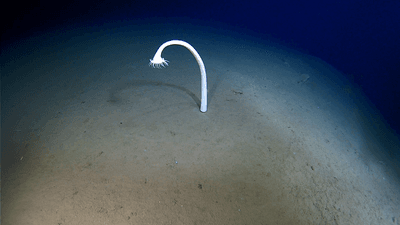


They say we know more about the surface of the Moon than we do about the bottom of the ocean, which is what made it so incredibly exciting when scientists decided to do what the rest of us are too chicken to, dive down to the seabed to get a look at what’s lurking there. The Japan “Ring Of Fire” Expedition explored some of the deepest parts of the ocean and documented nearly 30,000 organisms.
Want to see some of them? Of course you do.
Diving deep
The crewed submersibles dove down to the hadal zone between 6,939 to 9,775 meters (22,700 to 32,000 feet) below the sea in three Japanese subduction trenches called the Japan, Ryukyu, and Izu-Ogasawara trenches. It marked an unprecedented exploration of the ocean’s deepest zone that enabled them to observe some seriously weird deep-sea creatures in their natural habitats.
This work represents one of the most detailed in-situ surveys of biodiversity and habitats in the hadal zone to date.
Dr Denise Swanborn
“This work represents one of the most detailed in-situ surveys of biodiversity and habitats in the hadal zone to date,” said Research Fellow at the Minderoo-UWA Deep-Sea Research Centre and study lead author Dr Denise Swanborn to IFLScience. “Historically, most of our knowledge came from stationary landers or trawl samples, which make it difficult to understand how organisms live in their natural habitats and what local influences determine where we find certain organisms.”
“By recording nearly 30,000 hadal benthic organisms along with the habitats they occupy, we’ve been able to connect species occurrences to both large-scale factors – like depth and nutrient supply to the trench – and finer-scale factors such as terrain structure but also the legacy of disturbance."
Nothing compares to knowing you’re among the very first people to see these places.
Dr Denise Swanborn
"We found that differences between trenches related to these broad-scale factors, but that within trenches at the same depth, the legacy of historic seismic disturbance (earthquakes, landslides, sediment plumes) resulted in differences in biological communities. At the same time, seafloor slope and terrain type shaped local biodiversity.”
Deep-sea creatures in ocean trenches
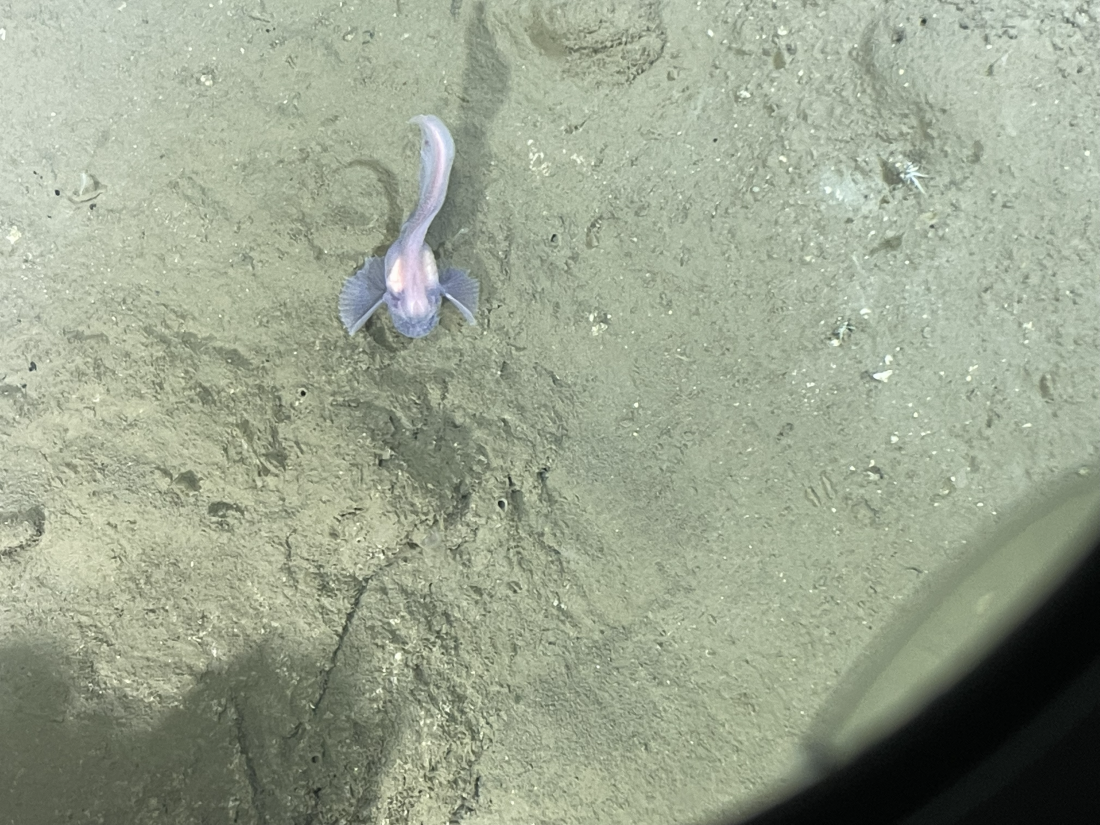
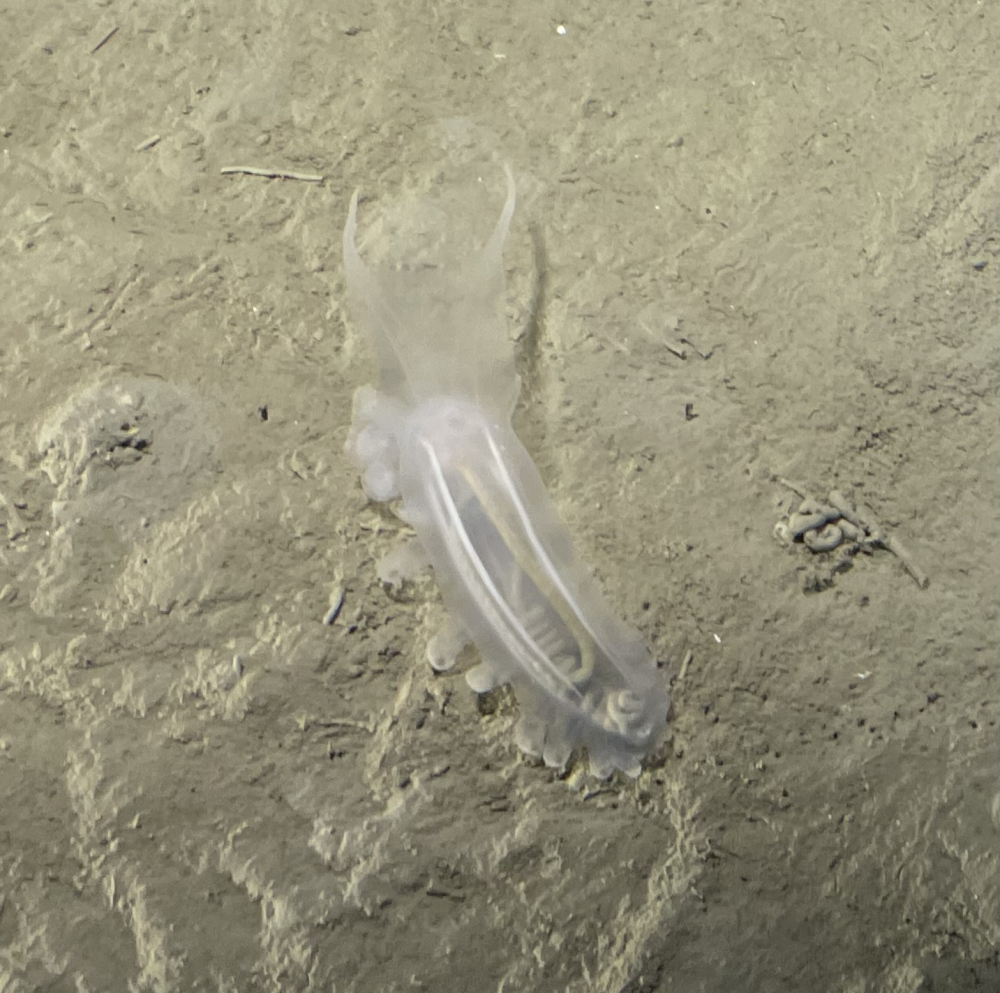
Notable sightings along the way included the discovery of an extensive crinoid meadow at a depth of 9,100 meters (29,855 feet), flocks of Elpidia – a genus of deep-sea cucumber – at 7,500 meters (24,606 feet), and beautifully-winged Pseudoliparis fish at 7,300 meters (23,950 feet). A lot of life, just not as you know it.
You can explore more highlights from the expedition in the above video, showcasing the otherworldly environment and its inhabitants to be found in some of the ocean’s deepest and darkest places. For Swanborn, there were plenty of highlights above water, too.
“These expeditions require huge coordination in preparation and execution, and every role on board and on shore is important,” she said. “Scientifically, reviewing the footage from dives is extremely exciting. Whether you’re the scientist inside the submersible or part of the team back on board, nothing compares to knowing you’re among the very first people to see these places.”
“Every dive brings back something new to interpret, and one of my main research interests is linking the biology we observe to the environmental conditions shaping these sites. For this study, in particular, the chance to work with video transect data from hadal depths is extraordinary. Such data are still incredibly rare, and having footage from six dives across three different subduction trenches gives us a unique opportunity to compare these environments.”
The study is published in the Journal of Biogeography.