Nature
 PUBLISHED
 1
1


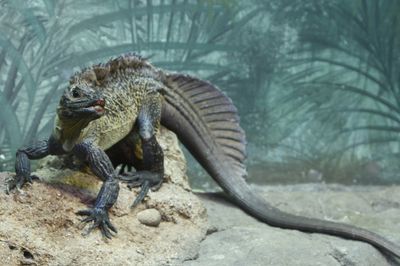


With dinosaur-like scowls and spiked spines, sailfin dragons look like relics from a primordial world or a mythical beast – but they are very much real and here to stay.
Also known as sailfin lizards, they are part of the same suborder as iguanas and chameleons, although they slot into their own genus, taxonomically known as Hydrosaurus. There are at least five known species, four native to Indonesia and one found in the Philippines.
The Indonesian giant sailfin dragon (Hydrosaurus microlophus) is the largest and heaviest of the genus, while perhaps the most charismatic is the Philippine sailfin lizard (Hydrosaurus pustulatus), whose males can turn electric blue or violet during mating season.
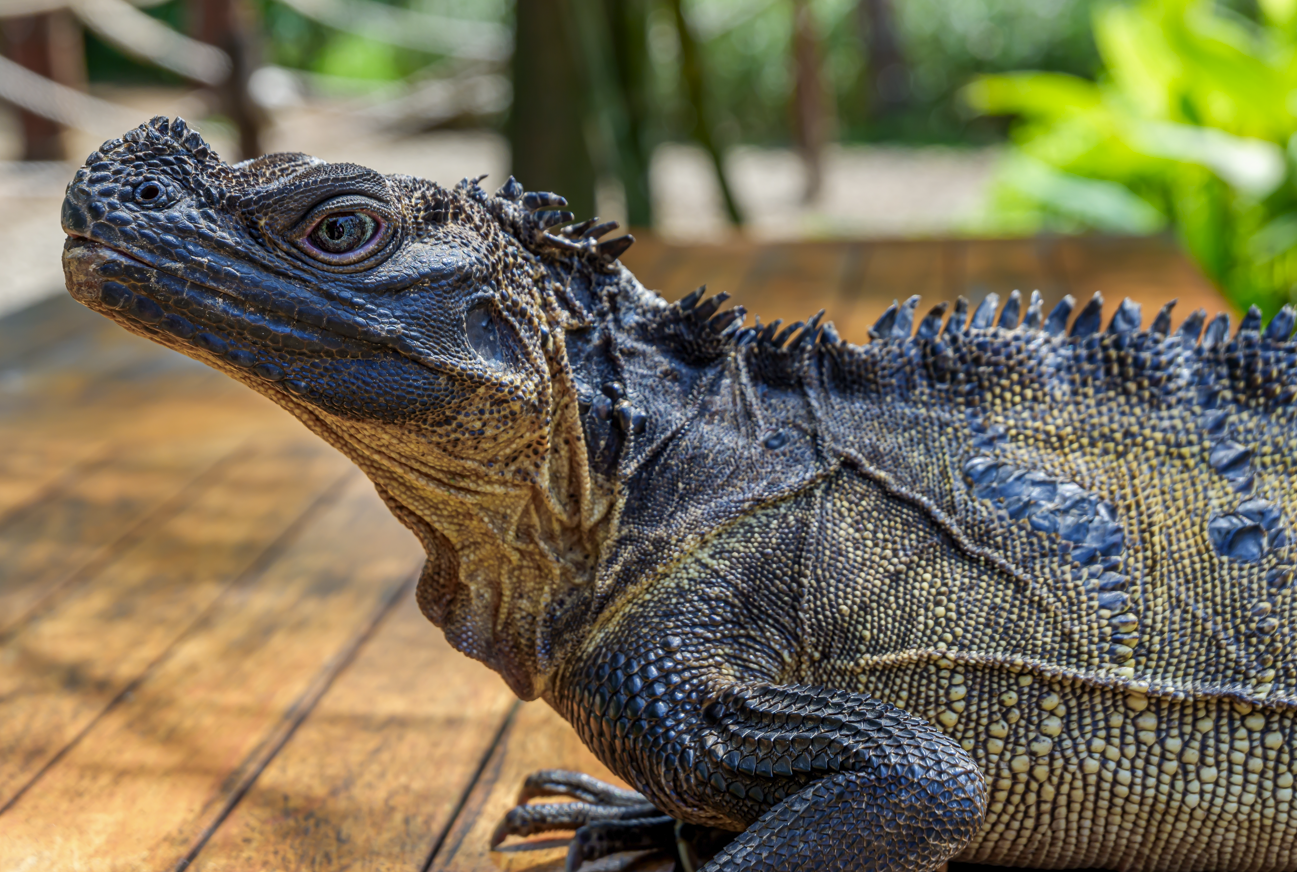
As their common name suggests, their defining feature is the sail-like structure on their tails, which evolved to help them glide through mangrove swamps and rainforest rivers. Those strong tails, along with their flattened feet, even let them sprint across the water’s surface for a few seconds, much like the famous “Jesus Christ lizard” of the Americas.
Sailfin dragons hatchlings start life as fierce riverside hunters, snapping up mice, insects, eggs, and smaller lizards. As they grow, they shift to a more omnivorous menu of fruits, leaves, flowers, and the occasional meaty meal.
One of the strangest features of sailfin lizards is the “pineal eye” on the top of their head. This bundle of light-sensitive photoreceptive cells is a bit of a mystery, although researchers think it might help the reptiles to regulate biological rhythms and hormone production through light detection.
Surprisingly little is known about the sailfin dragon family. For a 2014 study, scientists took DNA samples from 20 sailfin dragons being sold in the black markets of Manila, then compared them to 80 animals found across the sailfins' four major island habitats. This revealed the existence of a new species that had previously not been recognized.
Unfortunately, their spectacular appearance has made sailfin dragons a prime target for the illegal wildlife trade. Some species are severely threatened by coastal developments, which have torn apart their natural habitat, and don’t receive the protections they need.