Health and Medicine
 PUBLISHED




A new study has modeled the economic impacts of the recent advisory recommendation that hepatitis B vaccines no longer be delivered at birth. The price depends on how long vaccination is delayed and how reliable the subsequent vaccination rate is, varying from a relatively modest $16 million for a two-month delay to $370 million if vaccination only occurs at 12 years old. These figures illustrate, but arguably distract from, the suffering and premature deaths the decision will cause.
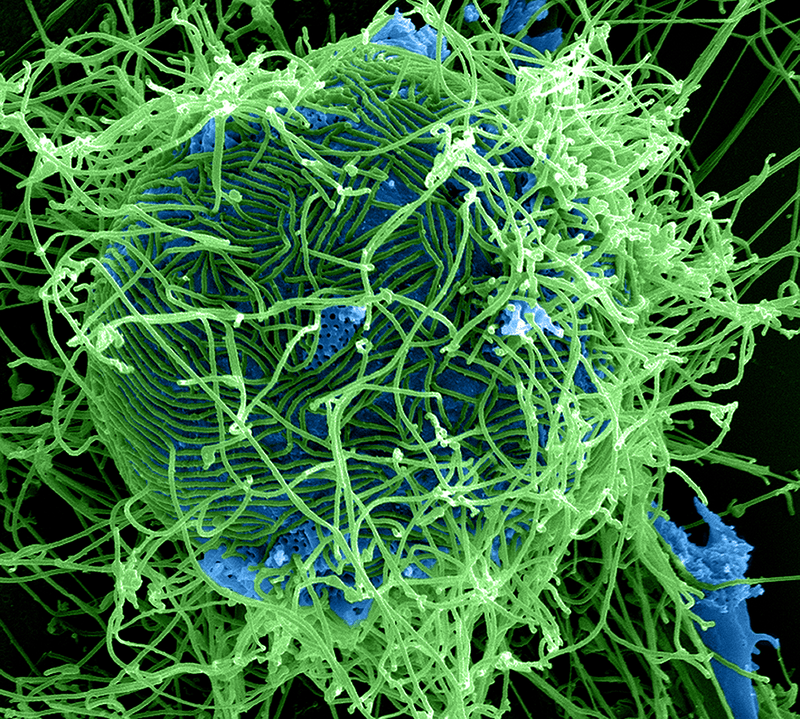
The hepatitis B virus causes cirrhosis of the liver, even among people who have never drunk alcohol, leading to increased rates of cancer and liver failure. In the United States alone, 2.4 million people suffer chronic infections, although fortunately for most, the effects are at the less serious end of the scale. Thankfully, a well-tested vaccine exists and for a time, made great strides in reducing the scale of the damage.
Tragically, the rising tide of anti-vaccine activism is coming for even the safest and most established vaccines. In the case of hepatitis B, that campaign is not so focused on ending the vaccine entirely but on a more reasonable-sounding call to simply delay the vaccine, rather than giving it within 24 hours of birth as was recommended in 1991 and reconfirmed in 2018.
The appeal may sound relatively harmless to those unfamiliar with the topic, but scientists facing the consequences of hepatitis B infection have a different view. “Preventing HBV [Hepatitis B virus] transmission at birth is a cornerstone of hepatitis B elimination efforts,” said senior author Professor Noele Nelson of Cornell University in a statement.
In December 2025, the federal Advisory Committee on Immunization Practices (ACIP), whose previous members were all replaced by Health and Human Services Secretary RFK Jr, voted to delay the dose in most cases. The argument was that unless children’s parents were infected with HBV, their chance of infection early in life was minimal.
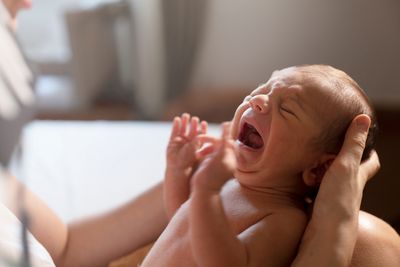
Calls for delay are couched in giving the vulnerable newborn’s body time to gain strength before being exposed to the perceived shock of the vaccine. However, that same immature immune system means that infection with the virus as a newborn is far more harmful than getting it later in life. Among those who catch the virus shortly after birth, up to 90 percent develop chronic infections and a quarter die early from cirrhosis or liver cancer. For adults, the figure is just 5 percent. For those under 5, the risk of chronic infection is 30 percent. Given RFK Jr’s doubts that viruses make you sick, however, those figures may be unlikely to move him or his appointees.
The recommendation has been widely criticized by almost everyone qualified. The American Academy of Pediatrics issued its own recommendations and the ACIP's decision was later blocked by a federal judge. ACIP made an exception where a parent was known to carry HBV, but ignored the fact that most parents are not screened, so might be carrying without anyone knowing, as well as the risk of infection from friends and family.
To model the consequences of the ACIP's hepatitis B vaccine recommendation, Nelson and colleagues used data on the reliability of the vaccine, transmission rates without it, and disease progression, to estimate the costs under a variety of scenarios.
Even within the first two months of life, some infants would be exposed to the virus; while rare, the consequences would be devastating. The authors found that every extra month of delay would mean additional infections, and more sickness and death. Since hepatitis B kills slowly, this is a particularly expensive disease to treat. Even under the US health system, many of the costs fall back on taxpayers.
“Importantly, our study underestimates the costs and health outcomes associated with delays to administering the hepatitis B vaccine birth dose,” Nelson said. “Our model assumptions were conservative. For example, we didn’t include the increasing risk of getting HBV infection from members of their household or community, which could happen if the number of people with HBV infection increases.” Such an increase is likely, because every person who gets the virus because they were not vaccinated becomes an additional vector to infect others, particularly playmates of similar age.
Although the risk, and therefore estimated cost, is not necessarily large for delays of 2 or 7 months, there is another problem with delaying vaccinations. Since most babies are currently born in hospital, it’s easy for healthcare professionals to make sure they are vaccinated as recommended. “Multiple studies have shown that the later children receive their first hepatitis B vaccination, the lower the probability they will complete their routine vaccination course,” Nelson said. “This policy may reverse this progress towards hepatitis B elimination.”
To justify its decision, the ACIP referred to concerns the vaccine might not be safe. However, Nelson’s team looked at the evidence from 35 years of research, and found no reports of increased seizures, let alone neurological disorders or deaths.
The research is published in two studies in JAMA Pediatrics. The same edition has another paper from a different researchers reaching similar conclusions. An accompanying editorial is also published, noting the unusual process by which the most recent ACIP recommendation was made.