Humans
 PUBLISHED
 1
1


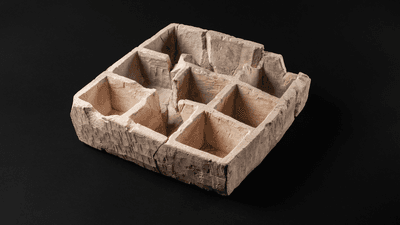


A rare and ancient box retrieved during an excavation in the City of David is being revealed to the public for the first time at the Israel Museum in Jerusalem. Dating back to the Second Temple period, it was found within the Jerusalem Walls National Park during excavations conducted by the Israel Antiquities Authority.
The trinket-box-like item is thought to be around 2,000 years old, dating back to a time when Pilgrimage Road was the main street of Jerusalem. Its function isn’t known for certain, but it could well have been a case for displaying goods that were on sale, as it was found among other common market items like pottery, coins, and cooking tools.
“Together, these objects suggest that the road was connected to commercial activities such as a lively urban market,” said Dr Yuval Baruch and Ari Levy, excavation directors on behalf of the Israel Antiquities Authority. “The Pilgrimage Road connecting the Pool of Siloam to the Temple Mount was the main thoroughfare of the city 2,000 years ago. It seems that the newly discovered box was related to this commercial activity that took place along the Pilgrimage Road."
At 30 by 30 centimeters (12 by 12 inches), it contains nine equal-sized compartments and shows possible signs of burning as its sides are blackened, which may have happened during the Great Jewish Revolt. The use of stone vessels is tied to Jewish law (halacha) as unlike clay and metal, it was believed that stone couldn’t become impure from use, so these items were reused over and over again across large expanses of time.
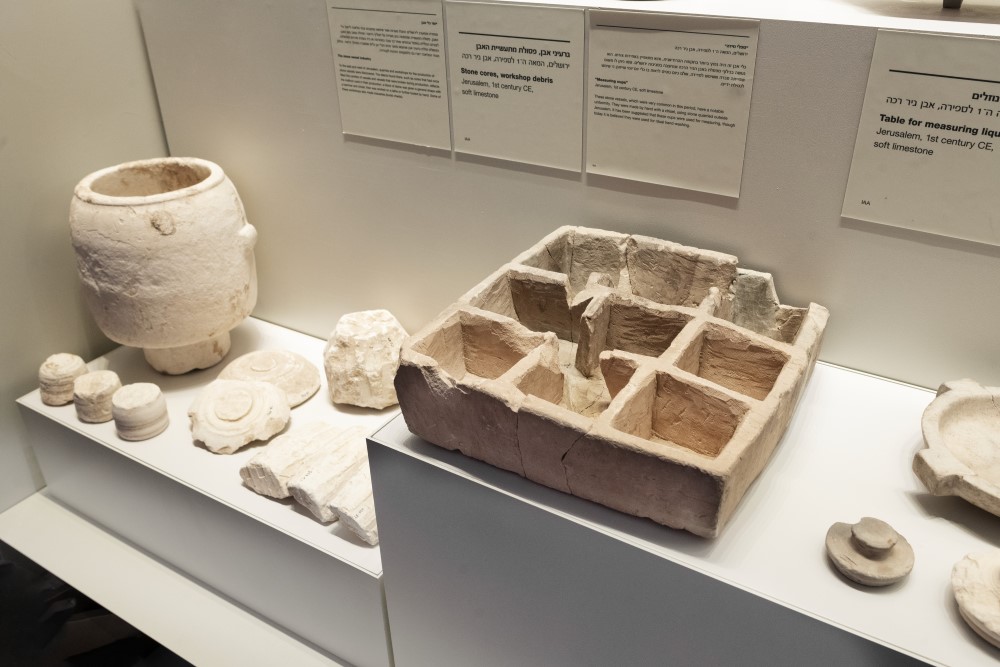
"It seems that the multi-compartment stone box from the City of David was related to the unique Jerusalem economy conducted in the shadow of the temple maintaining strict observance and in accordance with purity laws. Therefore, we can consider this box a distinctly Jerusalem find,” added Baruch and Levy.
What makes this limestone box really stand out is its state of preservation, being the only complete one known to science after it was painstakingly pieced back together.
“The box was found broken into pieces with parts missing,” said Dudi Mevorah, senior curator of the Archaeology Department at the Israel Museum, Jerusalem. “The fragments were brought to Victor Uziel, conservationist from the Israel Museum Artifact Conservation Laboratory which specializes in treatment and restoration of artifacts directly from the field.”
A similar box discovered 50 years ago brought about the nickname “nuts and seeds bowl”, coined somewhat in jest by archaeologist Nachman Avigad during excavations in the Jewish Quarter. The name has stuck, but questions remain as to what exactly they were used for, meaning we can’t rule out the possibility it was some kind of ancient waffle maker...