Nature
 PUBLISHED

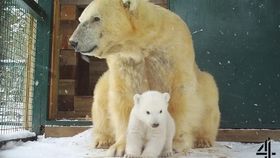


Two weeks ago, a three-month-old polar bear cub emerged from its den at the Royal Zoological Society of Scotland’s Highland Wildlife Park for the very first time. Born shortly before Christmas 2017, the as-of-yet unnamed fluffball is the first polar bear to be born in captivity in the United Kingdom for 25 years.
Given both the increasing decline of wild polar bear populations and the longstanding difficulty of successful reproduction in zoos, Highland keepers and conservations worldwide are ecstatic about the new arrival.
“The birth goes a long way to confirming that our husbandry regime works, with polar bears managed in markedly different ways to many other zoos," said Douglas Richardson, head of living collections at the park, in a statement. “This includes having very large, natural enclosures and keeping the sexes in separate parts of the park, which more closely mirrors what happens in the wild.”
Staff have given the cub and its mother, Victoria, one of the park’s three adult female bears, plenty of space thus far. In nature, only about half of polar bear cubs survive their first year, and according to research that was published in 2015, cub mortality in captivity is at least as low, if not worse, with more than half of infants dying before 30 days.
Because no human intervention is known to boost the chances of survival, the keepers must simply wait during the critical early days. The Highland team had been working for two years to impregnate one of their female bears, a project captured in the Channel 4 documentary Britain’s Polar Bear Cub, yet they could not confirm the actual birth until they heard high-pitched cries emanating from Victoria’s den.
First Victoria began exiting the den alone to fill up on water and food, replenishing her body after four months of fasting and subsisting on fat reserves. Then, on March 7, the cub followed.
Now, the cub is a regular sight in the enclosure, appearing healthy and adorably curious. It is about the size of a small dog and weighs an approximated 11.5 kilograms (25 pounds).
“The cub is already moving around confidently and is strong and steady on its feet. He/she has been investigating the outdoor environment and we have put out items such as small logs to climb on, which will aid muscle development,” the head keepers write in their most recent blog post. “We have also observed the cub rolling on its back in the snow and playing with Victoria by batting at her legs.”
The staff report that they have not yet tried to handle the cub to determine its gender, but a shortlist of names has been drawn up for either outcome, likely to be announced in the coming weeks. Victoria’s enclosure will be closed off from the public until late March, yet enthusiasts can "keep up with the cub" on the park's blog.