Space and Physics
 PUBLISHED


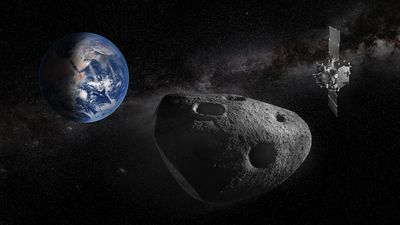


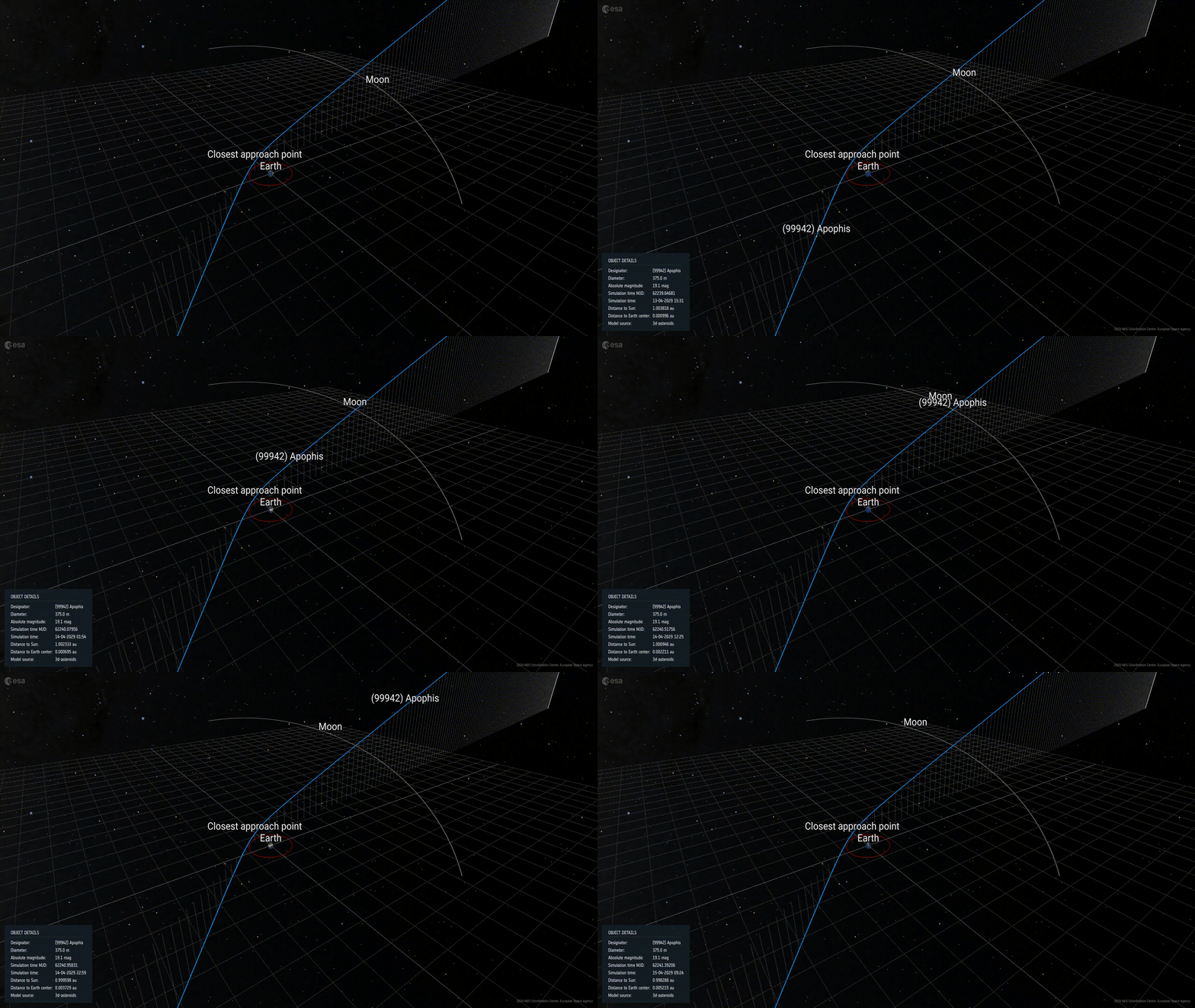
In less than three years, asteroid Apophis will pass close enough to Earth that it will be visible to the naked eye by about 2 billion people. It will fly by on April 13, 2029, about 31,600 kilometers (19,600 miles) from the surface. The European Space Agency (ESA), with the support of the Japan Aerospace Exploration Agency (JAXA), is now putting together an incredible mission to study this asteroid in a pivotal moment.
The mission is called Ramses (Rapid Apophis Mission for Space Safety) and, as the name suggests, it is a planetary defense mission. This is the second ESA planetary defense mission after Hera, which will meet asteroids Didymos and Dimorphos after NASA’s DART managed to shift their orbit.
Apophis was once the most dangerous asteroid to Earth. The first analysis suggested that it had a 2.4 percent chance of hitting us in 2029. We have known for a while that this won’t happen, but as the asteroid passes close to the Earth, it will be affected by our planet’s gravitational pull. Our planet could create "asteroidquakes" on poor Apophis.
“The Ramses mission wants to take advantage of an incredible natural opportunity,” Paolo Martino, RAMSES Project Manager at ESA, told IFLScience. “The core of planetary defense being able to deflect asteroids is about understanding how asteroids respond to external forces, which is not straightforward at all and honestly not well understood yet.”
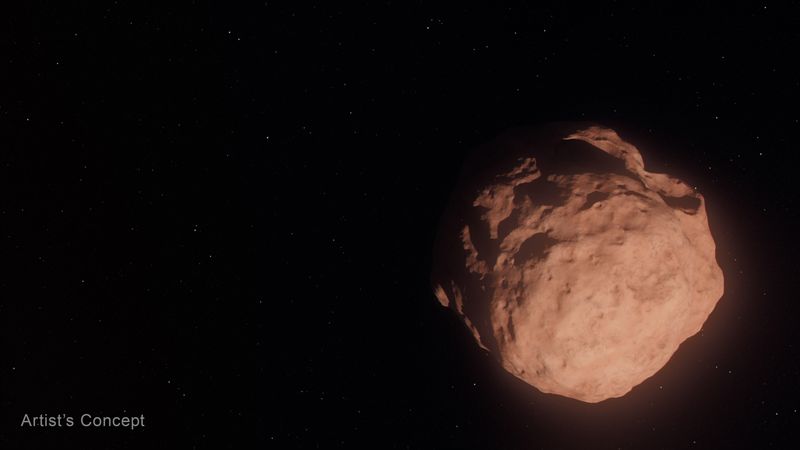
Apophis, named after the Egyptian god of Chaos, is 450 meters (1,480 feet) by 170 meters (560 feet) in size. An object this big passes this close to Earth about once every millennium. The passage will allow new insights into this specific asteroid and similar ones. Every visit to an asteroid has revealed something unique, and planetary defense is not one size fits all. To be effective, we need many different views; only then can we have a successful model and strategy.
“We want to know how asteroids are made, what is the structure of the asteroids, and how they react to external forces to understand what is the best technique to deflect them in case of need,” Martino told IFLScience. “The core [of the mission] is to characterize this asteroid before, during, and after the close encounter with Earth.”
Apophis is a unique event, and so we have one shot to be there.
Paolo Martino
Ramses will reach Apophis no later than March 1, 2029, and will stay around the asteroid during the crucial passage. This will lead to a record-setting for the mission. There is only one object that we can see with the naked eye and get basically simultaneous close observations from space: the Moon. With Apophis, Ramses will deliver the same but for a whole new celestial body for the first time.
The other record-breaking feature of this spacecraft is its development. To happen, the mission will have to launch in April 2028, so about two years from now. The funding for it was only approved at the last ESA Ministerial Council last November, which IFLScience attended. The team had practice with Hera, which had a quick turnaround of four years from contract signature to launch. Ramses will beat that goal significantly, as it will have to be ready in less than 2.5 years.
“A deep space mission of this class has never been done in such a short time frame,” Martino explained.
They were able to start working on the proposal and some components that take a long time to manufacture ahead of the actual approval, and Martino stressed the importance of a strong industrial consortium and international collaboration. The Critical Design Review, a midpoint of most missions, happened a few months ago. Most of the spacecraft is being built, and some of it is already being tested. The goal is for Ramses to be almost ready by the end of this year and mostly assembled (if not fully) by next March.
“The schedule is the most important aspect because Apophis is a unique event, and so we have one shot to be there,” Martino told IFLScience. “Managing this kind of project is a dream job, but it also comes with the infinite pressure because there is no other chance.”
The spacecraft will be shipped to Japan in early 2028, where it will launch from Tanegashima Space Center, together with the JAXA probe DESTINY+, which will visit the peculiar asteroid Phaethon.
Ramses is not the only mission to Apophis. NASA’s OSIRIS-REx, which visited Bennu and collected material from it, has been renamed OSIRIS-APEX, and it will encounter the asteroid about a month after the flyby. There are, however, uncertainties as to whether this will happen, as the mission is one of those at risk following Trump’s budget proposal for 2027.


 1
1