Nature
 PUBLISHED


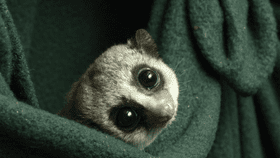


Hibernation is a common response to cold weather across much of the animal kingdom, but humanity and our nearest primate relations never mastered it. Except one, the fat-tailed dwarf lemur (Cheirogaleus medius) does hibernate in the wild. However, once in zoos they have adopted a winter lifestyle much like the rest of us, impeding study. Now for the first time in captivity, researchers at Duke Lemur Center have persuaded some of them to shut their bodies down for winter, much as they do at home.
Humans aside, primates tend to be creatures of the tropics. Only Japanese macaques have established themselves in places where it is cold enough for frequent snows, making for little evolutionary pressure to develop hibernation. The reverse possibility – that some innate incapacity to hibernate keeps primates tropical – was refuted by the discovery fat-tailed dwarf lemurs shut down for 3-7 months each winter. Pygmy slow lorises have also been reported to hibernate, but for less than three days, which given their normal abhorrence of moving, who can tell.
Like all lemurs, C. medius lives in Madagascar, which never gets cold enough to make hibernation necessary. However, Madagascan winters are quite dry, and food is scarce, so it seems one species decided to sleep until the bounty comes again.
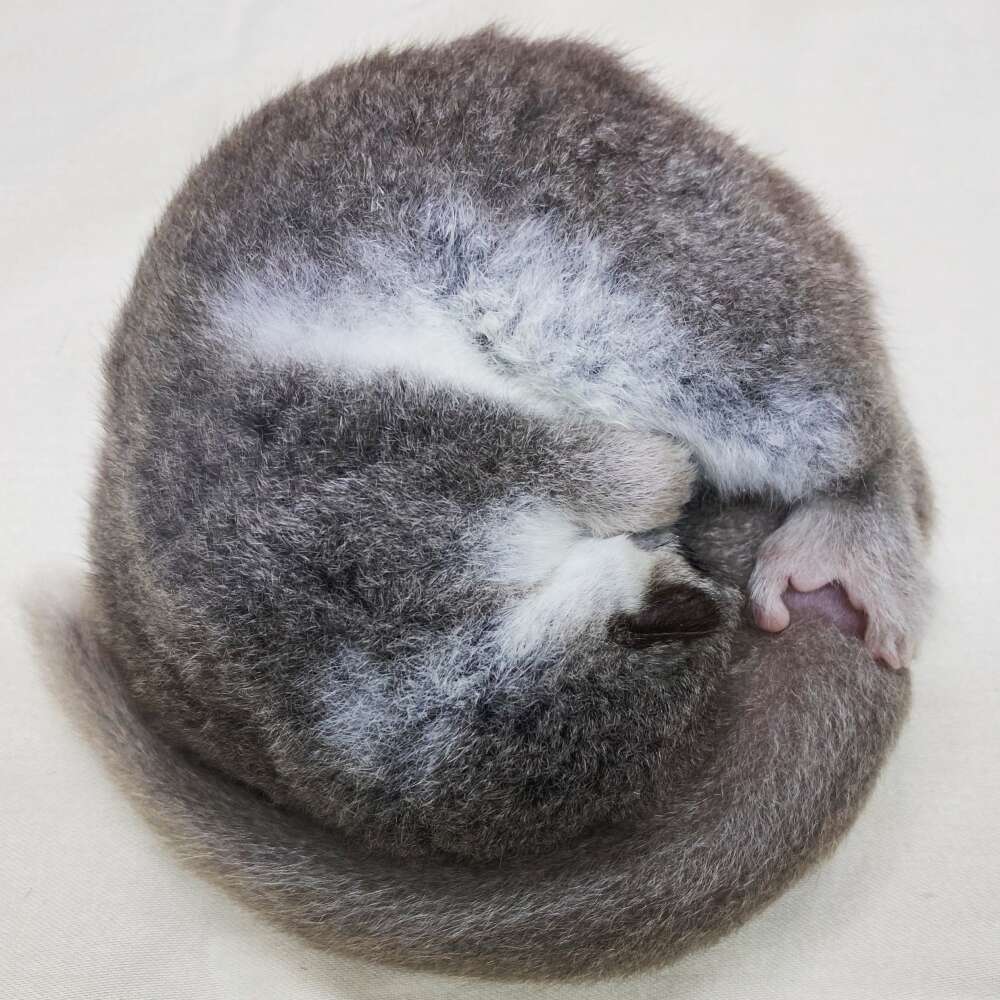
However, in zoo environments fat-tailed dwarf lemurs have remained active year-round; their capacity to hibernate wasn't discovered until 2004. Dr Marina Blanco wanted to learn more about this unique primate behavior, and whether it could offer up any clues to safely putting humans on pause too. To really study primate hibernation Blanco needed to get captive lemurs to join in.
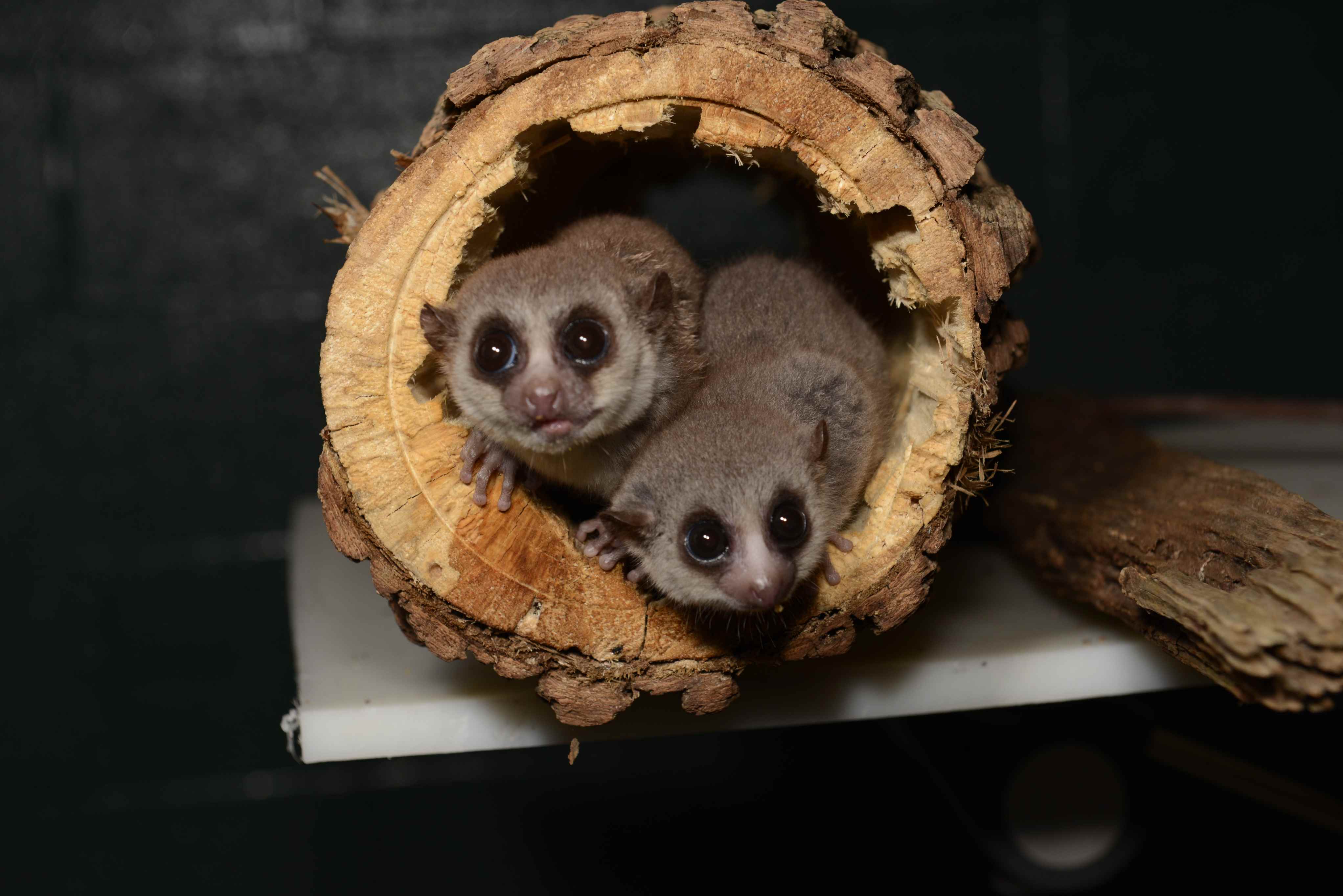
In Scientific Reports, Blanco has described how colleagues at the Duke Lemur Center built fake tree hollows for the lemurs similar to those they use in the wild. Temperatures in the lemur enclosure were then lowered from 25ºC (77ºF) to 10-15ºC (50-59ºF), wintery by Madagascan standards. The days never get very short in Madagascar either, but the enclosure lights were gradually shifted from being on for half the day to 9.5 hours.
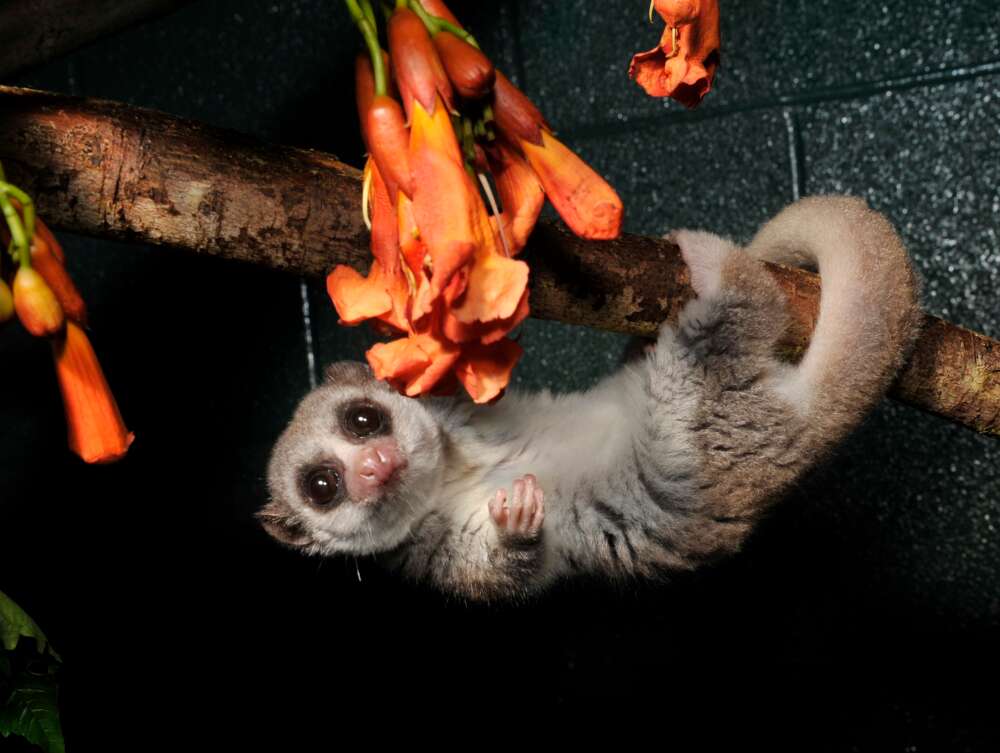
The center's lemurs had spent at least four generations not hibernating, and were in the wrong hemisphere anyway. Nevertheless, "They did not disappoint," Blanco said in a statement. "Indeed, our dwarf lemurs hibernated just like their wild kin do in western Madagascar.” Eight lemurs spent 70 percent of their “winter” in deep torpor, even when food was available. “Hibernation is literally in their DNA,” Blanco added. Unlike other hibernators, however, their body temperatures fluctuated with ambient conditions.
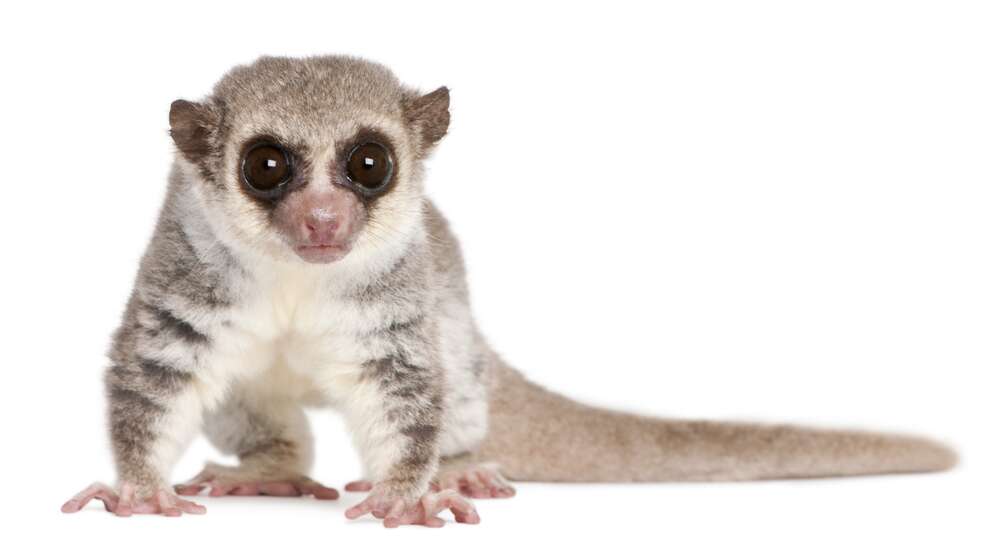
The lemurs lost 22-35 percent of their bodyweight, mostly from stores in their famous fat tail, but this was far less than if they had stayed awake but found little food.
Besides the privilege of working with such adorable subjects, Blanco hopes her work could prove transferable to humans. The fact fat-tailed dwarf lemurs have unusually long lives for mammals of their size – up to 29 years – suggests there must be something to this hibernation thing.
The capacity to shut one's body down for a time could have many uses if humans can imitate it. Science fiction writers have long proposed suspended animation, to reach the stars, which is really just hibernation taken to extremes. Recovery from surgery and certain medical conditions might be better if people could just sleep through the body's restoration, while torpor might allow those waiting for a replacement organ to survive delays.


 1
1