Nature
 PUBLISHED


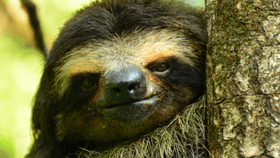


The pygmy three-toed sloth (Bradypus pygmaeus) is considered a critically endangered mammal by the IUCN Red List of Threatened Species. Despite their lovable lazy faces, there are very few efforts to help the species.
To help combat their decline, researchers from the Zoological Society of London's (ZSL) Institute of Zoology have developed “Mataki devices.” These are small chips that can be attached to the sloths to record their location and relay the data back to devices at base stations. In additional to this, they can track the sloth’s acceleration data – presumably this isn’t very fast, but a measure of this can be used to work out their energy expenditure.
Best of all, the devices are open-source and comparatively cheap, meaning they can be easily used in projects around the world. This is especially important for their native home among the mangroves of Isla Escudo de Veraguas, a small island around 17 kilometers (10 miles) north of mainland Panama. The mangroves of this idylic homeland – the only place where the sloths can be natively found – face a threat of destruction, further adding to the plight of the pygmy three-toed sloth.
You can learn more about the devices and new developments in sloth conservation in this short video from the ZSL below.