Nature
 PUBLISHED




Scientists are pleased to reveal two new-to-science species and one new subspecies of crocodile newts recently discovered in northern Vietnam. Unfortunately, but perhaps unsurprisingly, the oddly cute species are already in danger thanks to a triple menace of traditional medicine, habitat loss, and the exotic pet trade.
Reported in the journal ZooKeys, a team of German and Vietnamese researchers studied a number of animal specimens collected during field surveys near the Da River, or the Black River, in northern Vietnam. Based on genetic and morphological comparisons, they sniffed out two species (Tylototriton pasmansi and Tylototriton sparreboomi) and one subspecies (Tylototriton pasmansi obsti) that have never been documented by scientists before, bringing the total number of known crocodile newt taxa in Vietnam to seven.
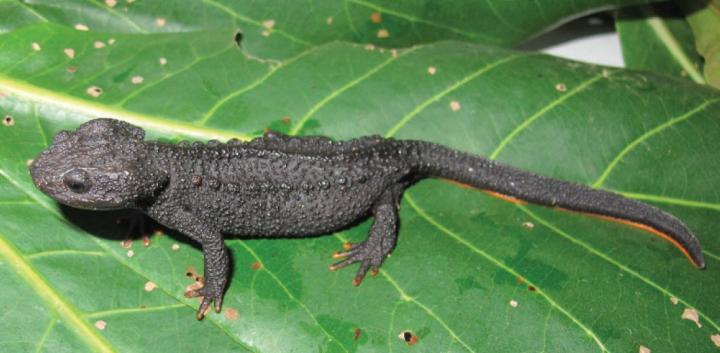
Measuring just 12 to 15 centimeters (4.7 to 5.9 inches) from tail to snout, these three new members of the gang are characterized by their dark knobbly skin and wide-set eyes. The researchers believe the crocodile newts have been seen before but were often mistaken for the black knobby newt (Tylototriton asperrimus). As it turns out, this species actually only lives in a pocket of southern China.
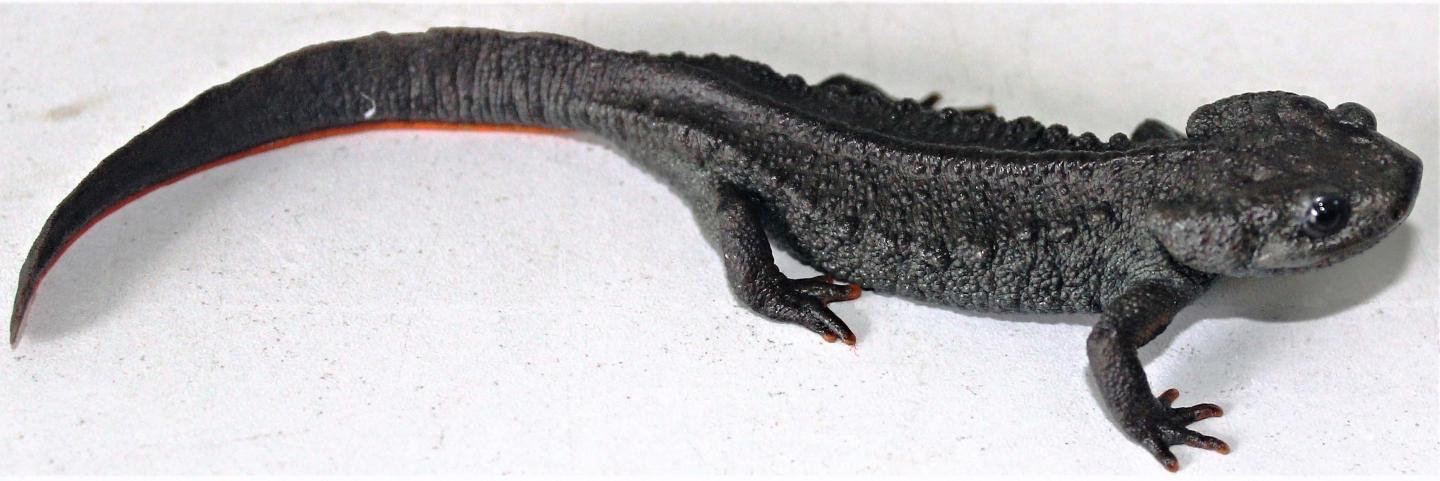
One of the newly discovered crocodile newt species, Tylototriton pasmansi. Cuong The Pham
All members of the genus Tylototriton, aka crocodile newts or knobby newts, have attracted the attention of exotic pet traders and peddlers of traditional Chinese medicine. On top of that, the genus is also threatened by habitat loss driven by urbanization, infrastructure development, and the intensification of farming. As such, the black knobby newt is regarded as Near Threatened under the IUCN Red List.
However, this new development indicates they might be more scarce than previously thought. While this discovery of new species might appear to be a big win for biodiversity, it actually means the black knobby newt is now chopped into multiple small groups, each with their own, smaller strip of habitat.
"The taxonomic separation of a single widespread species into multiple small-ranged taxa... has important implications for the conservation status of the original species," the researchers wrote in their paper.
“We, therefore, recommend a re-assessment of the outdated Near Threatened status of T. asperrimus sensu [the black knobby newt] to reflect taxonomic revisions and increasingly severe threats from international trade and habitat loss, which have taken place over the last decade.”