Nature
 PUBLISHED


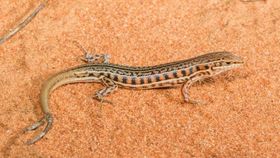


A new study published in the journal Biological Reviews has found that lizards have more tricks up their tails than we previously realized. As well as being able to drop their tails when under threat, they also sometimes regrow multiple tails with some individuals being found with as many as six. After compiling historic records of multi-tailed lizards, the researchers found this abnormal regeneration has been happening across multiple species and they hypothesize the occurence comes at a hefty price to the individual involved.
Caudal autonomy is the superpower that enables lizards to wriggle out of predator attacks by detaching their tail, which when severed acts as a decoy. These lost tails are then replaced with cartilage rods but sometimes these are duplicated and the lizard ends up with two twin tails of equal length where once there was only one. The mix up can get even more unusual when the original stump sprouts multiple tail “branches”. A case study documented in 2015 reported an Argentinian black-and-white tegu, Salvator merianae, that grew six replacements after its original tail was lost.
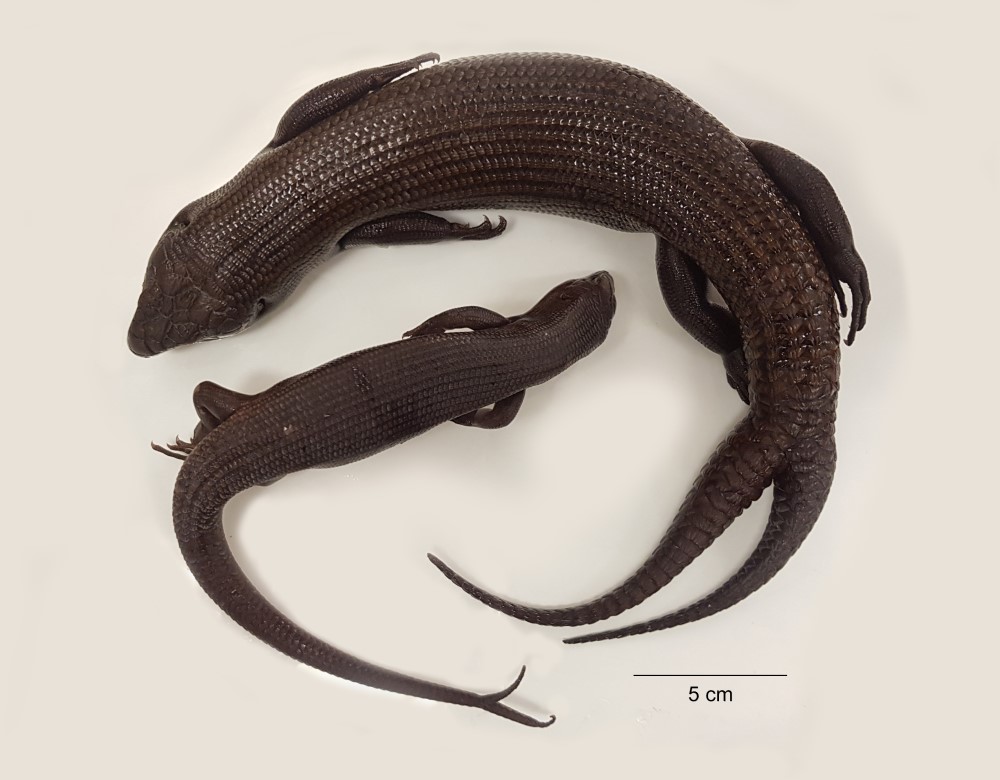
In total, the study authors reviewed 425 sightings from 63 countries and found that multiple tail regeneration wasn’t actually rare or unusual, with their estimates predicting that 3 percent of lizards worldwide may be multi-tailed. The study authors explain that this number is surprisingly high and begs the question: how does carting around more than one tail affect the day-to-day life of a lizard? They predict that the increased body mass could make future escapes more difficult, as well as affecting their ability to move around efficiently.
“Shedding a tail to escape a predator and then regenerating it seems like a good tactic; however, when this regeneration goes awry and results in multiple abnormal tails, this is likely to have an effect on the lizard,” said Bill Bateman, co-author on the study from Curtin University, in a statement. “For example, could having two tails potentially affect their ability to find a mate and therefore reduce opportunities for reproduction? Or on the contrary, could it potentially be of benefit?
“Behaviorally testing out these hypotheses would be an interesting and important future research direction, so biologists can learn more about the lifestyles of these multiple-tailed lizards.”