Nature
 PUBLISHED





Following his world-first identification of a dinosaur’s butthole earlier this month, Dr Jakob Vinther from the University of Bristol's School of Earth Sciences highlighted the need for “fortuitous” fossil findings to reveal new insights into the lives of dinosaurs. Unfortunately, they can take hundreds of years to unearth but luckily for dinosaur fans everywhere, one such fortuitous find has been described in a new study published in the journal PeerJ.
The last time someone found a fossilized skull of the rare species of the dinosaur Parasaurolophus was 97 years ago. While not a common find, they’re easy enough to identify thanks to the large hollow tube that grows on their head. This structure has been a source of some confusion for palaeontologists who until now had little in the way of quality specimens to work from, but this new find is so well preserved they’ve finally had the chance to take a good look.
The specimen belonging to Parasaurolophus cyrtocristatus was recovered in New Mexico and is thought to be around 75 million years old. At this time, slap bang in the middle of the Late Cretaceous, North America was divided by a shallow sea. On land roamed a wealth of animals with unique head morphologies, including dinosaurs with duckbills and horns, as well as early tyrannosaurs.
Parasaurolophus had a bizarre, trumpet-like nasal passage for which science has coined the term “tube crest”. Despite looking nothing like its duckbilled contemporaries, this new specimen has revealed that they actually grew in a similar way.

"Imagine your nose growing up your face, three feet behind your head, then turning around to attach above your eyes,” said Terry Gates, a paleontologist from North Carolina State University in a statement. “Parasaurolophus breathed through eight feet of pipe before oxygen ever reached its head.”
The exact purpose of this seemingly illogical nasal cavity has been a subject of debate for about as long as it took scientists to recover another Parasaurolophus specimen. Some suggestions have included that it acted like a kind of snorkel or that these dinosaurs were super sniffers, but with this new fossil to work from the researchers now think these crests functioned primarily as sound resonators used to communicate within their own species.
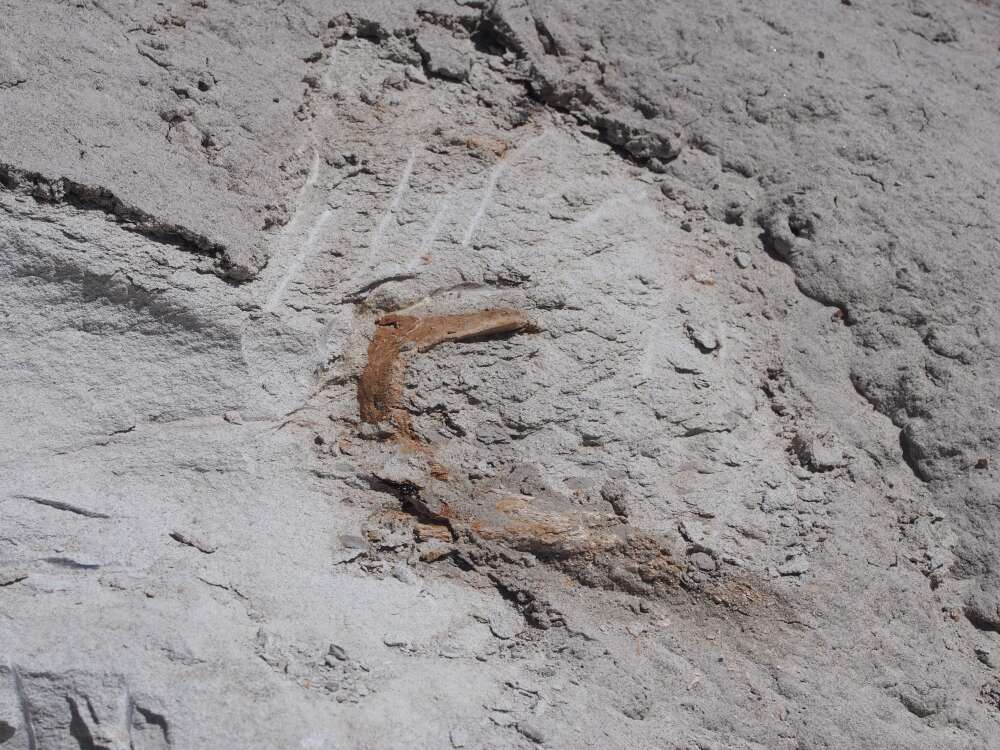
The partial skull was discovered in 2017 while exploring the badlands of northwestern New Mexico. Only a tiny portion of the skull was visible, so researchers were surprised when they found the intact crest as they carefully chiseled the skull from the sandstone.
"The preservation of this new skull is spectacular, finally revealing in detail the bones that make up the crest of this amazing dinosaur known by nearly every dinosaur-obsessed kid," said Joe Sertich, curator of dinosaurs at the Denver Museum of Nature & Science.


 1
1