Nature
 PUBLISHED
 3
3


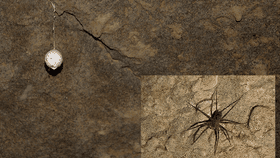


The Nelson Cave spider is New Zealand’s biggest spider and is named for a cave in which it hangs its eggs in sacs that dangle from the ceiling, each one containing around 50 spiderlings. However, according to the Department of Conservation, only one such baby ball has been seen in Nelson Cave since 2018, and rangers are concerned it could be the result of too many humans visiting their home.
The “Crazy Paving Cave,” as Nelson Cave is also known, is a tourist attraction as it has a peculiar floor pattern that is the result of mud deposits drying out over a long period of time. The resulting effect is, indeed, some pretty crazy paving, above which hangs the eggs of Spelungula cavernicola.

The Nelson Cave spider is joined in the darkness by beetles and w?t? – massive, flightless crickets which are some of the planet’s heaviest insects and also happen to be S. cavernicola’s favorite food. You might think a predatory spider capable of taking down the henchest invertebrates in the insect world is doing just fine, but the species’ recent reproductive failures paint a very different picture.

“The number of spiders seen have actually increased from about 2019 onwards, possibly due to a decrease in visitor numbers associated with COVID,” said Department of Conservation senior biodiversity ranger Scott Freeman in a statement.
“However, only one egg sac has been seen since 2018.”

The Crazy Paving Cave’s giant spiders are the only species within the Spelungula genus – which is too fun to say to be allowed to slip into extinction – so New Zealand is taking steps to protect the country’s biggest arachnids.
“Breeding is the real long-term driver of the population so we want to close the cave to see if this will allow breeding to improve,” Freeman explained. “Closing the cave means we can monitor the spider population's response to the removal of human visitors.”

Beyond being enormous arachnids, Nelson Cave spiders are thought to represent a missing link that connects Gondwana’s primitive spiders – from which S. cavernicola emerged around 350 million years ago – to today’s modern spiders. This impressive claim has seen them become the only spider species protected by New Zealand’s 1953 Wildlife Act, and since they’ve been here a lot longer than us, it figures they should get to lay claim to at least one cave.

If you, too, appreciate spiders in all their leggy, eggy wonder, sometimes the best way to help them is to leave them well alone. As such, S. cavernicola is reclaiming the Crazy Paving Cave for the next 12 months, and we wish it all the best with its baby-ball boom bonanza.
[H/T: RNZ]