Nature
 PUBLISHED
 1
1


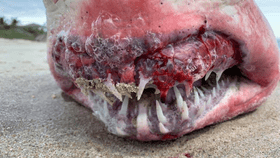


Studies have indicated that getting regular doses of exercise can be great for your body, as well as your mind, and where better to take a relaxing stroll than along the shore (if you're near one). Sometimes, however, the changing tide washes up a surprise. One such surprise was stumbled upon by Florida resident Betty Gardner Gonzalez, who found an enormous dead shark washed up on the shore of Melbourne Beach, Brevard County.
Gonzalez took her walk at around 6.30 am on Monday, January 4, according to a news report from Fox 35 Orlando. As a regular visitor to the beach, Gonzalez has captured pictures of a wealth of wildlife visiting the sandy coastline, including herons, ospreys, and, evidently, the occasional dead shark.
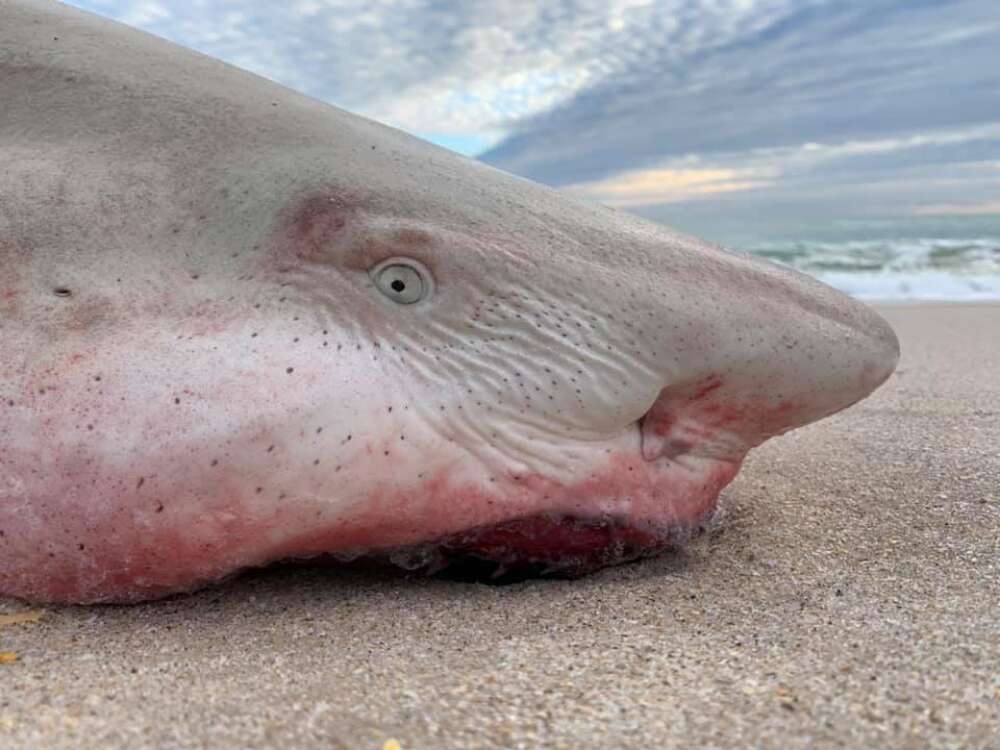
The shark is thought to be a sand tiger shark (Carcharias taurus) also known as grey nurse sharks. These enormous fish can live for around 15 or more years, reaching somewhere from 2 to 3 meters (6.5 to 10.5 feet) in length. Their teeth and all-round death machine morphology might make you think they’re aggressive animals, but C. taurus is a docile species that generally only bother humans if humans bother them first. They have an unusual feeding strategy that sees them gulp air, which makes them buoyant. In doing this, the shark can passively float about looking for prey.
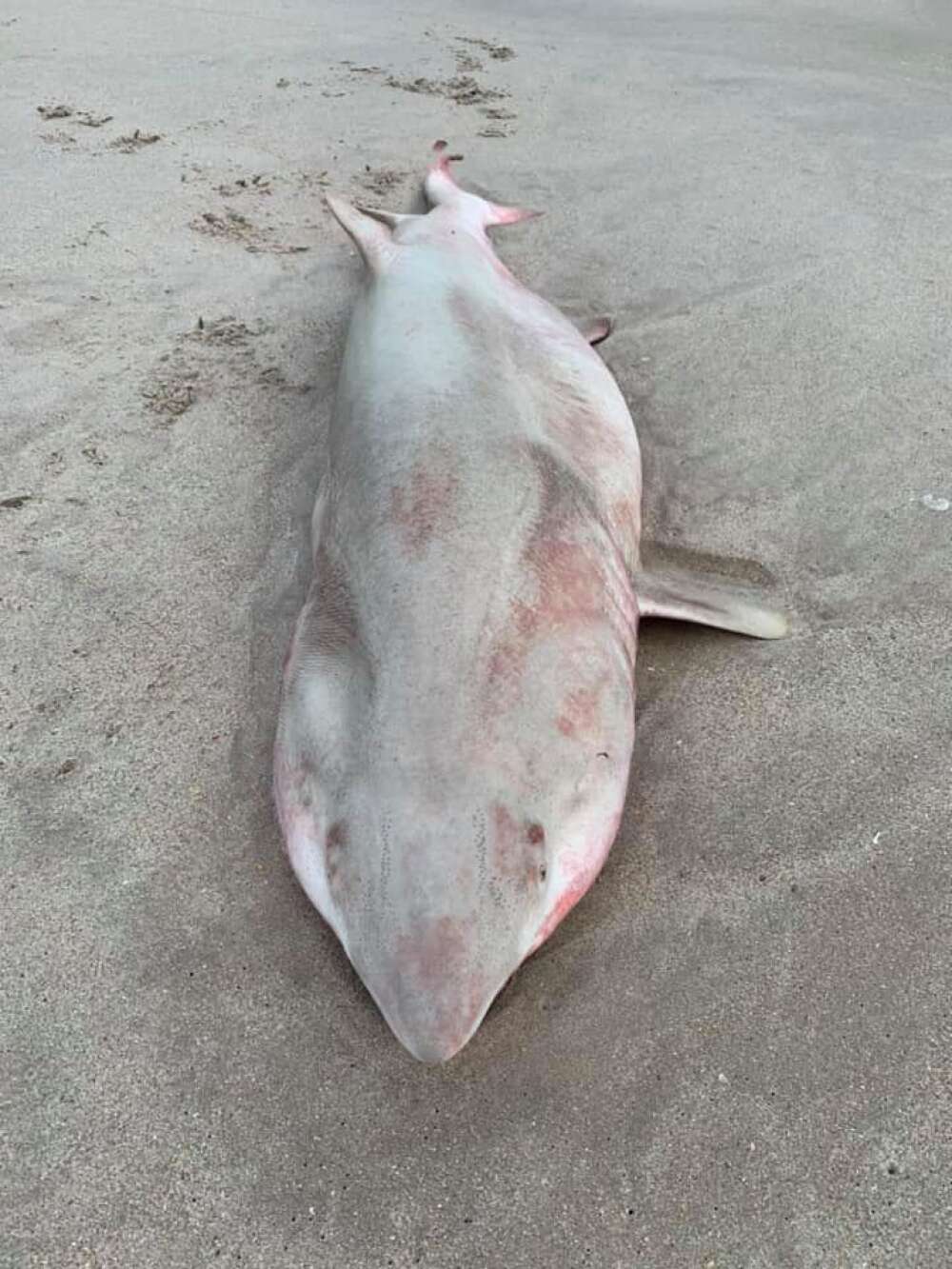
Gonzalez’s first clue that something was awry on the beach that morning was the presence of vultures that were surrounding the beached carcass. Curious as to what may have caused the shark’s demise, she flipped the animal over to search for clues but was unable to find any telltale signs of what happened.
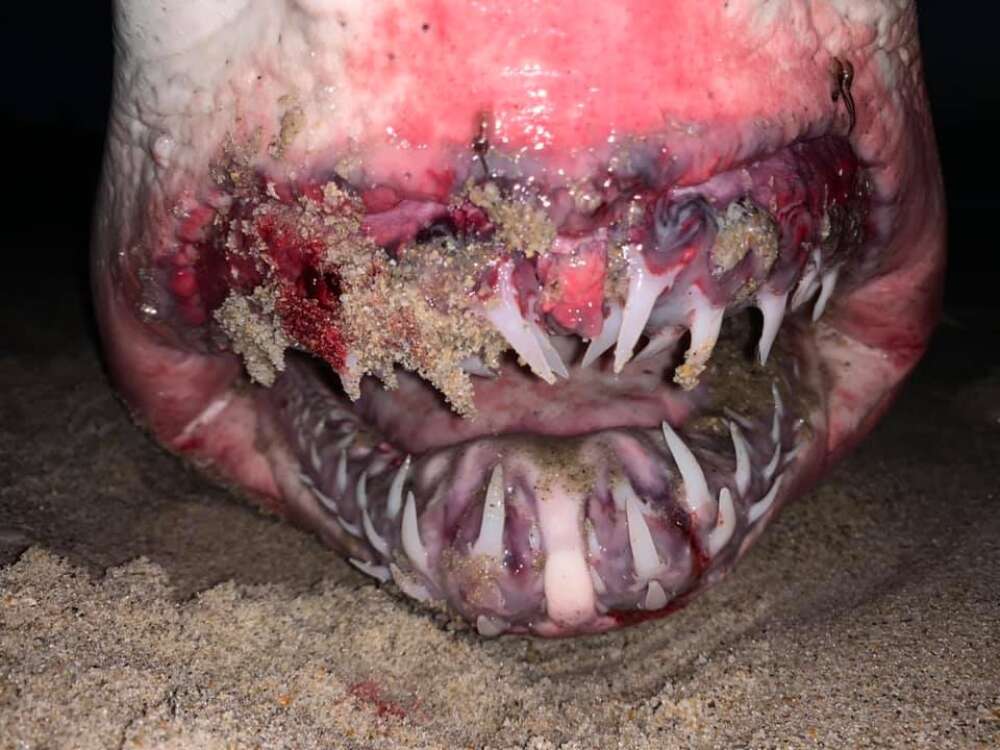
"It's just sad, especially because I don't know what killed it," Gonzalez told FOX 35 in a televised interview. "I flipped the shark over, I just kind of looked to see if there were any kind of markings and I can't tell how it was killed."
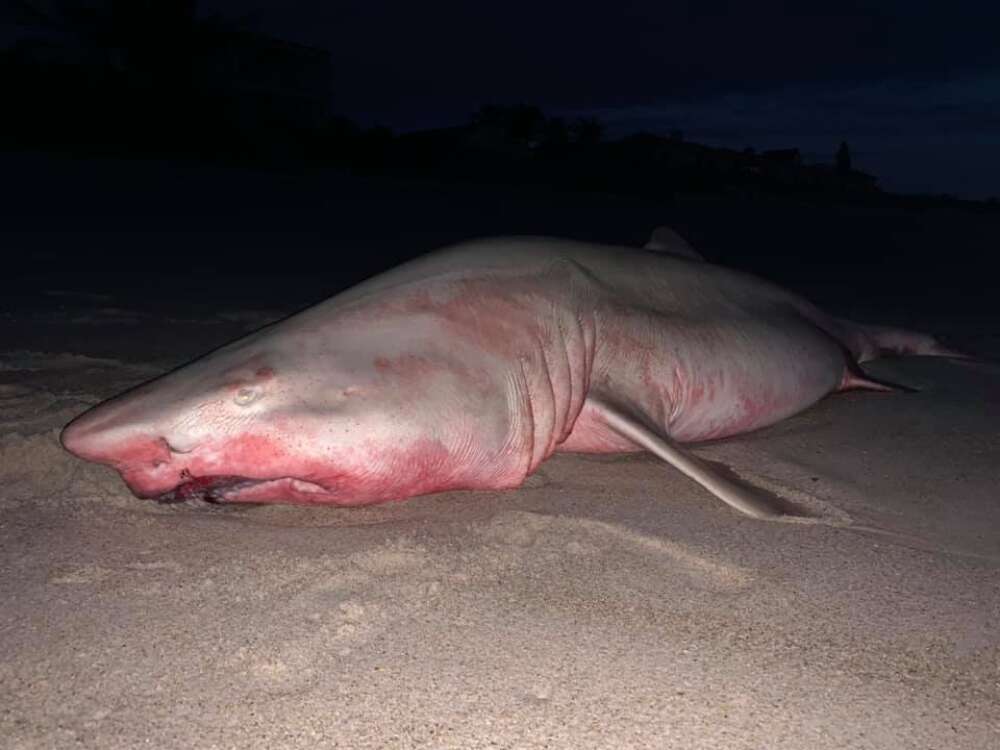
A deadly algal bloom known as the red tide sometimes sees the waters surrounding Florida afflicted by the organism Karenia brevis, though at time of writing there is no evidence to say this was the cause of the shark's demise. Its presence can cause skin irritation and a cough in humans and it can prove fatal for a range of marine animals. In 2018, the beaching of turtle, dolphin and even whale shark carcasses were thought to be the product of the red tide. In recent years the Florida coastline has seen some more unusual items washing up on its shores, including 16 bricks of cocaine and even a shipwreck.