Health and Medicine
 PUBLISHED
 1
1


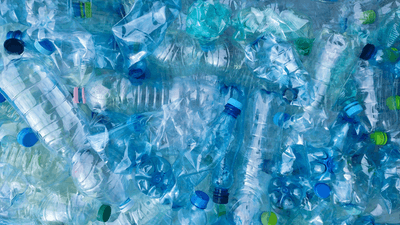


Nobody likes to see plastic bottles overflowing in bins and rattling around the streets. These single-use receptacles are a prime target in tackling the plastic crisis, but what if we’ve been overlooking an incredible resource?
New research has given the humble plastic bottle something of a PR makeover in demonstrating how this trash can be turned into treasure using bacteria. The pioneering method turns waste plastic bottles into levodopa (L-DOPA) – a frontline drug used to treat Parkinson’s disease.
“This project highlights the potential of biology to reshape the way we think about waste,” said Dr Liz Fletcher, Director of Impact and Deputy CEO at the Industrial Biotechnology Innovation Centre (IBioIC), which co-funded the research, in a statement. “Turning plastic bottles into a Parkinson’s drug isn’t just a creative recycling idea, it’s a way of redesigning processes that work with nature to deliver real-world benefits.”
“By demonstrating that a harmful material can be converted into something that improves human health, the team is proving that sustainable, high-value applications of biology are both practical and effective.”
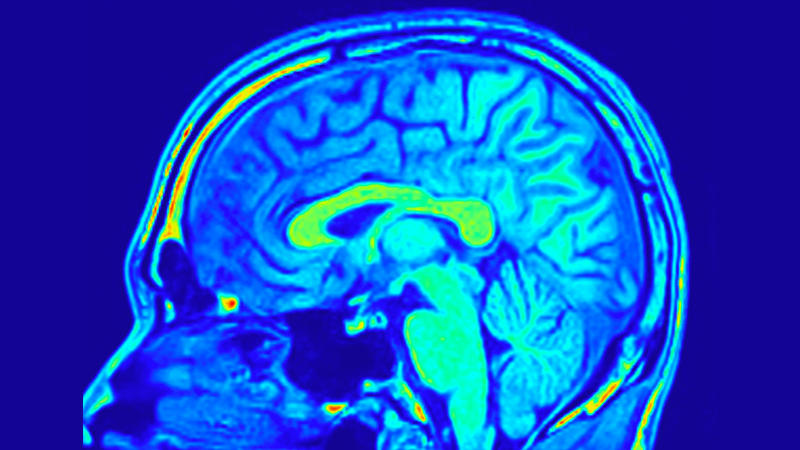
Parkinson’s disease is a progressive movement disorder of the nervous system that causes neurons in the brain to weaken and stop working. The key symptoms include stiffness, tremors, and limited movement.
L-DOPA is a type of Parkinson’s drug. It’s used for all stages of the disease and considered a frontline treatment. It’s primarily sourced from tyrosine, an amino acid found in many foods, including beans and tomatoes. So, how are we making it from plastic?
That magic trick has been performed by scientists at the University of Edinburgh. They started out by breaking down polyethylene terephthalate (PET) waste into the constituent parts of terephthalic acid. It was these molecules that could then be transformed into L-DOPA using an engineered strain of the bacterium E. coli.
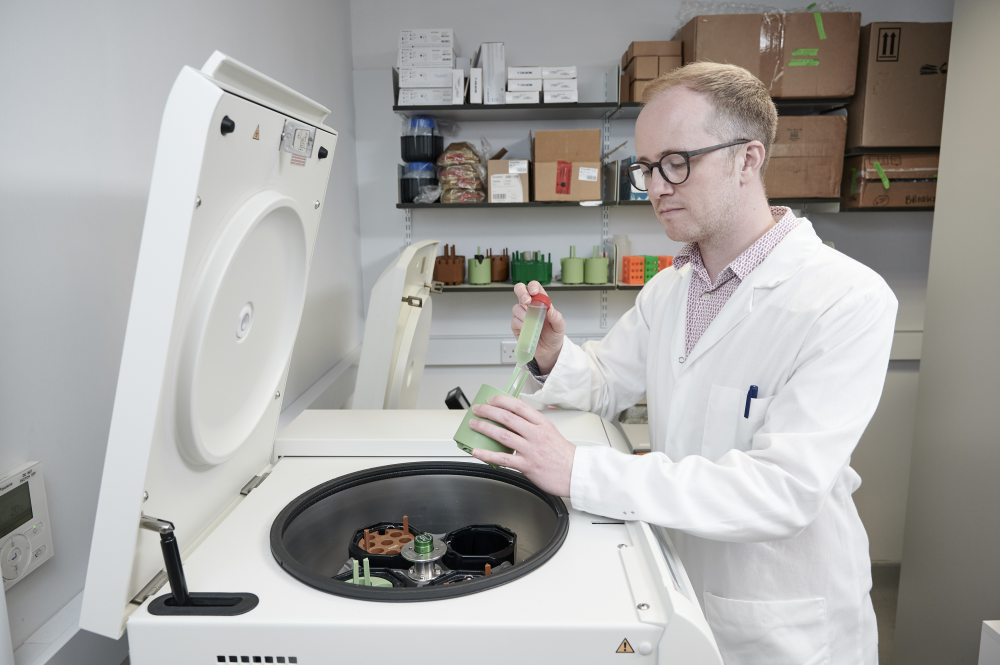
That E. coli was able to carry out a series of biological reactions to create a form of L-DOPA that, according to the researchers, is more sustainable than existing methods of making the drug. It relies less on fossil fuels and makes use of PET waste, of which it’s estimated around 50 million tonnes are produced each year.
“This feels like just the beginning,” added Professor Stephen Wallace, of the University of Edinburgh’s School of Biological Sciences, who led the study. “If we can create medicines for neurological disease from a waste plastic bottle, it’s exciting to imagine what else this technology could achieve.”
“Plastic waste is often seen as an environmental problem, but it also represents a vast, untapped source of carbon. By engineering biology to transform plastic into an essential medicine, we show how waste materials can be reimagined as valuable resources that support human health.”
As makeovers go, it's pretty remarkable stuff.
The study is published in the journal Nature Sustainability.