Health and Medicine
 PUBLISHED





A person in Texas has tested positive for H5N1 bird flu after coming into contact with dairy cows that are presumed to be infected with the virus.
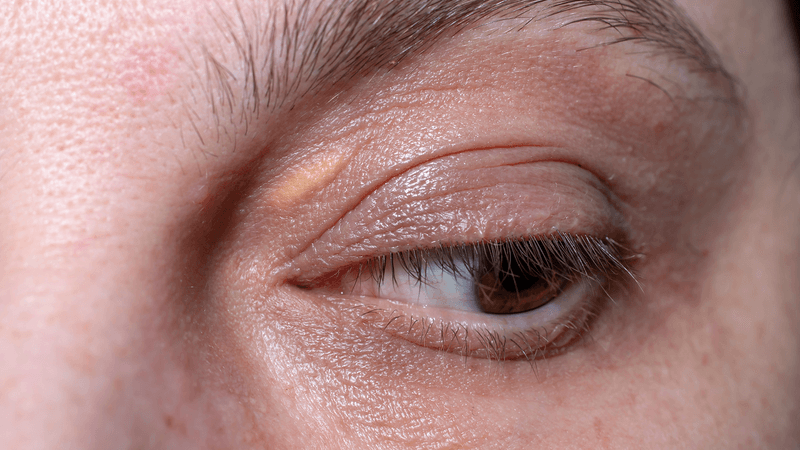
Fortunately, the patient is recovering and their only reported symptom was red eyes, according to the US Centers for Disease Control and Prevention (CDC). They’ve been told to isolate and are being treated with an antiviral drug for influenza.
While the case marks a significant milestone in the deepening bird flu outbreak, the CDC maintains that the wider risk to the US public is low. People at the highest risk are those who have close or prolonged exposure to infected birds or other animals, such as livestock.
The development comes just a few days after H5N1 bird flu was detected at dairy farms in Texas, Kansas, New Mexico, and Michigan, and another unconfirmed “presumptive” outbreak in Idaho.
Authorities also say there “continues to be no concern that this circumstance poses a risk to consumer health.” The problem shouldn’t even affect dairy prices too much either since the milk loss resulting from symptomatic cattle is too limited to have a major impact on supply. However, they did warn that people should not drink raw milk or unpasteurized products like cheese from cows that may be infected.
This is only the second person ever reported to have tested positive for H5N1 bird flu in the US, the previous human case being in 2022 in Colorado. This patient also worked in agriculture and was involved in the culling of poultry with presumptive bird flu.
Bird flu, or avian influenza, is an infection in birds caused by several strains of influenza A virus. This latest outbreak is caused by a strain called H5N1 that was first identified in 1996 in geese in China and started infecting people in Hong Kong in 1997. Over the past four years, a new form of H5N1 has spread like wildfire around the world, primarily infected farmed poultry and wild birds, but also mammals – including humans.
Between 2003 and late March 2024, a total of 888 human cases of H5N1, including 463 deaths, have been reported to the World Health Organization (WHO) from 23 countries. While the flu strain is always keeping health authorities on their toes, the WHO also contends the risk to the public is low since the risk of human-to-human spread is small.
Beyond humans, the ongoing H5N1 bird flu outbreak has been having a terrible impact on wildlife since 2000. It’s infected millions of birds and unknown numbers of mammals. It’s even killed animals in the far-flung tips of Earth, including a polar bear in Alaska and penguins in Antarctica.