Space and Physics
 PUBLISHED
 2
2






SpaceX might be about to break its own record for the largest and most powerful rocket ever launched. On Tuesday, the Block 3 version of Starship will have its first launch test. The new version is taller, has more payload capacity, more thrust, and carries more fuel, as well as having an improved tile design, new engines, and new hardware for refueling operations in low Earth orbit.
The previous version of Starship, Block 2, was a bit hit and miss. Only six Block 2s were ever produced, and only five flew in tests. Of those tests, only the last two were successful, with the ship conducting a controlled splashdown in the Indian Ocean. The rest of the tests ended in explosions.
Tuesday’s launch, with a window opening at 5:30 pm Central Daylight Time, will be the first one for the new Block 3 setup. The new ship is almost 1.8 meters (six feet) taller than the previous version, and the booster is 1.3 meters (4.3 feet) taller than its predecessor. Stacked together, with a height of 124 meters (408 feet) – almost as tall as the Great Pyramid of Giza – it is the tallest rocket ever built.
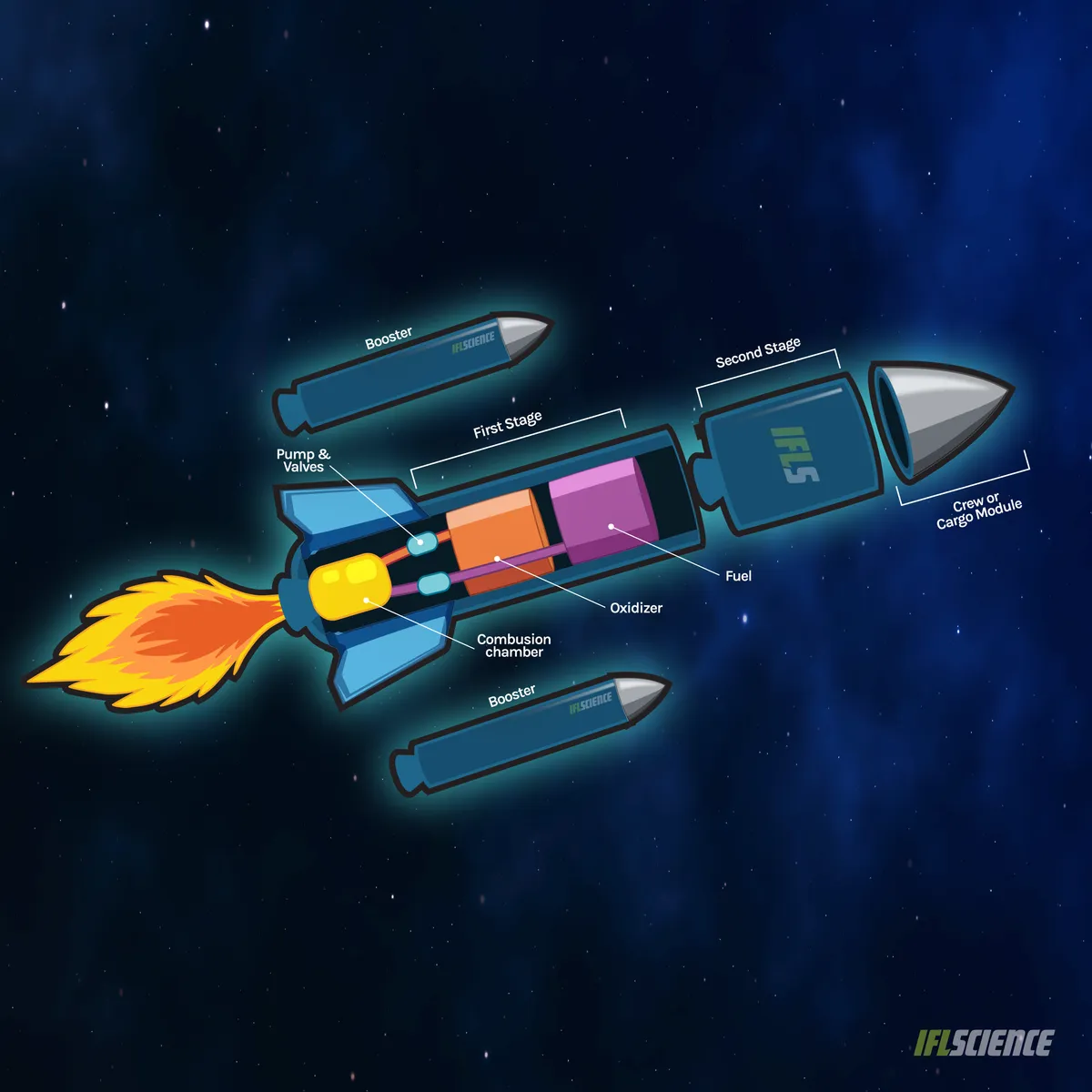
The payload capacity has gone from 35 tons to 100 tons, and it is also bringing more fuel. The booster rocket is expected to produce 10 percent more thrust at ignition than Version 2, and Starship will produce 14 percent more thrust than the Block 2 setup.
It has been reported that this launch will see a different and more southerly path. Starship launches from Boca Chica, Texas, and the previous flight path sent the craft over the Florida Strait. When Starship exploded last year, the debris rained down over Caribbean islands such as the Turks and Caicos Islands, as well as Florida. The new path across the Gulf of Mexico passes between the Yucatan Peninsula and Cuba.
If the launch is a success, then the next step will be to conduct the long-delayed orbital refueling test. That capability is key to the Artemis program to land humans back on the Moon.
“The large-scale, Starship-to-Starship cryogenic propellant transfer is a critical capability necessary for the Starship human landing system mission for Artemis III and Artemis IV,” a NASA spokesperson told IFLScience in 2024. SpaceX did not respond to our request for comment.
“The propellant transfer test is part of a series of tests, along with detailed design reviews, that will provide NASA data and evidence to certify the lander. Following the propellant transfer demonstration, NASA will review the test results and certify lander systems prior to the crewed demonstration missions to ensure astronaut safety and mission success.”
In February it was announced that Artemis III would no longer land on the Moon but instead see NASA’s Orion spacecraft rendezvous with Starship and Blue Origin’s Blue Moon around Earth. This will be another crucial test for the program, and just weeks ago it was revealed that the mission has been postponed from mid to late 2027.
Last November, a leak of internal SpaceX documents, reported by Audrey Decker at Politico, revealed that Starship wouldn’t be ready to land on the Moon until at least September 2028. With this coming launch, SpaceX really needs to demonstrate that the vehicle is working as expected.