Humans
 PUBLISHED


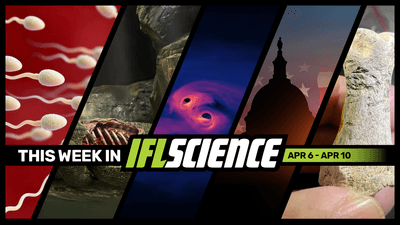


This week, the Artemis II crew broke a speed record on their return to Earth on Friday, the way we breathe today may be thanks to this 289-million-year-old mummified reptile, these supermassive black holes are on the verge of a universe-shaking merger, and Trump’s team have proposed multi-billion-dollar cuts for climate and environmental programs. Finally, in 1962, the US nuked outer space; we explore how it quickly paid a grave price.
Create an IFLScience account to get all the biggest science news delivered straight to your inbox every Wednesday and Saturday.
New Step Towards Male Contraception As Sperm Production Blocked Safely And Reversibly Without Hormones
Developing a drug that inhibits sperm production without causing any hormonal changes could be the answer we’ve been searching for when it comes to male contraception. According to a team of scientists at Cornell University, when they tested the concept in mice it was found to be fully reversible, with them going on to produce healthy offspring. Read the full story here
A 289-Million-Year-Old Mummified Reptile From An Oklahoma Cave Shows How We Breathe The Way We Do
Scientists have discovered the remains of a tiny, mummified reptile in an Oklahoma cave. The species is Captorhinus aguti, a small lizard-like animal that lived in the Permian period, dying 289 million years ago. Read the full story here
Supermassive Black Holes On The Verge Of Universe-Shaking Merger Found For The First Time
Astronomers have finally found two enormous black holes at the center of a galaxy that are on the verge of a merger. The discovery explains some longstanding mysterious features of one of the brightest black hole systems. Read the full story here
Trump’s 2027 Budget Proposes Multi-Billion-Dollar Cuts For Climate And Environmental Programs
The White House is seeking to cut government spending by 10 percent for the fiscal year 2027, and science could bear the brunt. Among the casualties, federal agencies that fund or conduct research in science, the climate, and the environment could lose billions upon billions of dollars, should Congress pass the budget as it stands. Read the full story here
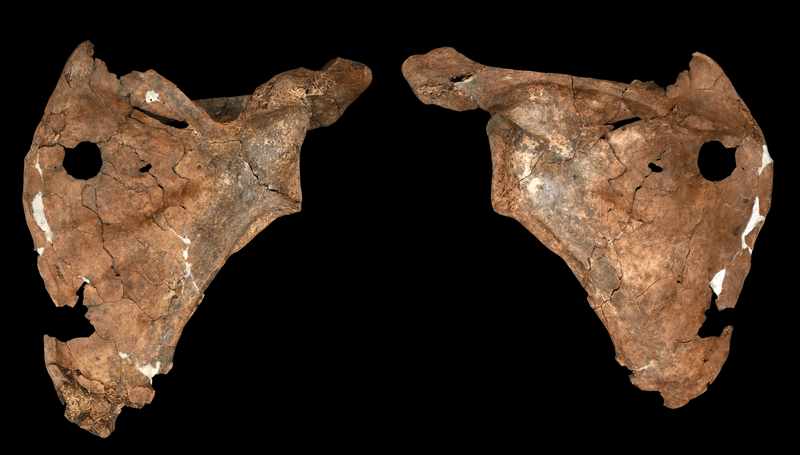
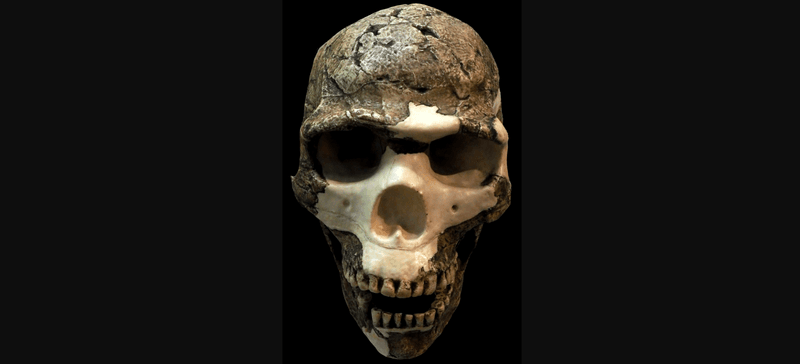
Neanderthals In France Made Tools From Rhino Bones And Horse Teeth 200,000 Years Ago
The more we learn about Neanderthals, the more we realize that they were just like us. For instance, until fairly recently, it was believed that only Homo sapiens had the intelligence to make tools from animal bones, yet the discovery of more than 60 osseous utensils at a Neanderthal site in France has helped to crush that assumption. Read the full story here
TWIS is published weekly on our Linkedin page, join us there for even more content.
Feature of the week:
Operation Fishbowl: In 1962, The US Nuked Outer Space – And Quickly Paid A Grave Price
The Cold War was full of outlandish plans, audacious decisions, and steps too far, but few were bigger or bolder than the time they nuked the edge of outer space. The short-term result was some dazzling sights, but the consequences were so alarming that these reckless tests were promptly banned across the world (and beyond). Read the full story here
More content:
Have you seen our e-magazine, CURIOUS? Issue 45, April 2026, is available now. This month, we asked, “How Do We Know That The Earth Has A Tilt?” – check it out for exclusive interviews, book excerpts, long reads, and more.
PLUS, the We Have Questions podcast – an audio version of our coveted CURIOUS e-magazine column – continues. In episode 19, we ask, “Which Animals Have The Worst Table Manners?”
Our Break It Down podcast now has a new monthly format, coming at you in both audio and visual. So tune in each month to hear about some of the wildest science stories and adventures we’ve been on. Kick off this month with “The Science Behind 'Project Hail Mary', Ghost Elephants, And Womb Transplants”
The Big Questions podcast season 5 has now concluded, but here’s one more bonus episode to help see you through to the next: Can Magic Be Used As A Tool In Science? You can catch up on the whole of season 5 here.