


 Nature
 PUBLISHED


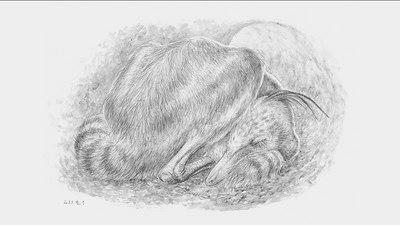


Around 71 million years ago, a small theropod dinosaur curled up to snooze one final time before becoming a part of the fossil record. Retrieved from the Barun Goyot Formation in what we now call Mongolia’s Gobi Desert, it’s become a central part of new research that states its curled-up position suggests they slept like modern birds.
The near-complete fossil was preserved in three dimensions, showing the skeleton of a new-to-science species that’s been named Jaculinykus yaruui. Its name is derived from “Jaculus”, a tiny dragon from Greek mythology, and “onykus”, for claw. The latter part, yaruui, comes from the Mongolian word yaruu, which means speedy.
So, a tiny speedy dragon, if you please. All that running around makes for tiring work, and based on the arrangement of this deceased J. yaruui, it looks like they slept in a similar posture to modern birds.
As a member of the Alvarezsauridae family of dinosaurs, this new species joins a group of small theropods. However, there was a time when it was believed they represented the earliest known flightless birds. This has since been revised and they’re now considered Maniraptoran dinosaurs, non-avian theropod dinosaurs that were closely related to birds.

If you break down Maniraptora you get snatch (raptor) hands (mani), and that’s because these dinosaurs were characterized by long arms with three-fingered hands that were good for grabbing things. It’s though the modified wrist elements for snatching may be what made flight-stroke possible, and that it’s one of several traits they have in common with birds.
What our sleeping beauty J. yaruui tells us is that sleeping position may be another trait to add to the list.
“This specimen displays a stereotypical avian-like sleeping position with the neck and tail arched as well as hind limbs folded under the pelvis, which is nearly identical to that seen in the troodontids Mei long and Sinornthoides youngi,” wrote the study authors. “The new taxon, Jaculinykus yaruui gen. et sp., represents the ninth genus of alvarezsaurids from the Nemegt Basin, and unveils not only the comprehensive anatomy of alvarezsaurids, but also provides definitive evidence of the appearance of avian-like behavior long before paravians.”
Modern birds curl up to sleep in an effort to conserve heat, and since it’s mostly agreed that feathered theropods were warm-blooded, it’s possible our snoozy J. yaruui was trying to keep warm, too. Sleep tight, you fluffy little snatch hands.
The study is published in PLoS ONE.



 1
1