


 Nature
 PUBLISHED


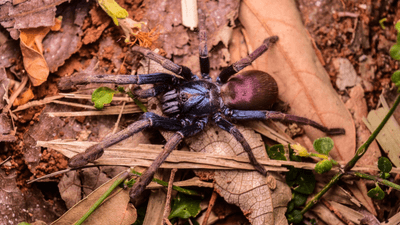


Some animal names really like to keep you guessing. Just take the “psychedelic earth tiger,” for example. Not a hallucinogen, planet, or tiger, but in fact a very cool spider.
“The name 'psychedelic earth tiger' is derived from its strikingly beautiful appearance, as well as its behaviour,” said Aswathy Sankar Singh, team leader of Conservation Leadership Programme (CLP), an award-winning tarantula project, to IFLScience. “Due to the vivid colors in contrast on its body, it looked somewhat psychedelic, while ‘earth tiger’ referred to its strong and grounding nature, combined with ambush-type predation.
Also known as the LSD earth tiger, or Indian rainbow tarantula, this vibrant species has earned itself a spot on Fauna & Flora’s 10 Species To Watch list for 2026. The goal? To bring some of the planet’s weirdest and most wonderful wildlife to our attention, and the critical conservation action needed to ensure their survival.
“The species we share our planet with are truly extraordinary,” said Kristian Teleki, CEO, Fauna & Flora, in a release emailed to IFLScience. “From the most peculiar of rays, to the majestic falcon, to the tulips we buy in our supermarkets each day, every plant and animal plays a unique and essential role in sustaining life on Earth.”
“But time is running out. With less than five years to go until 2030, a guiding star for many global nature and climate goals, we can no longer afford to delay action to protect and restore our planet’s natural wonders. The pressures facing nature are severe, and species populations are declining at an alarming rate.”
Cilantica devamatha – A funky arachnid facing eviction
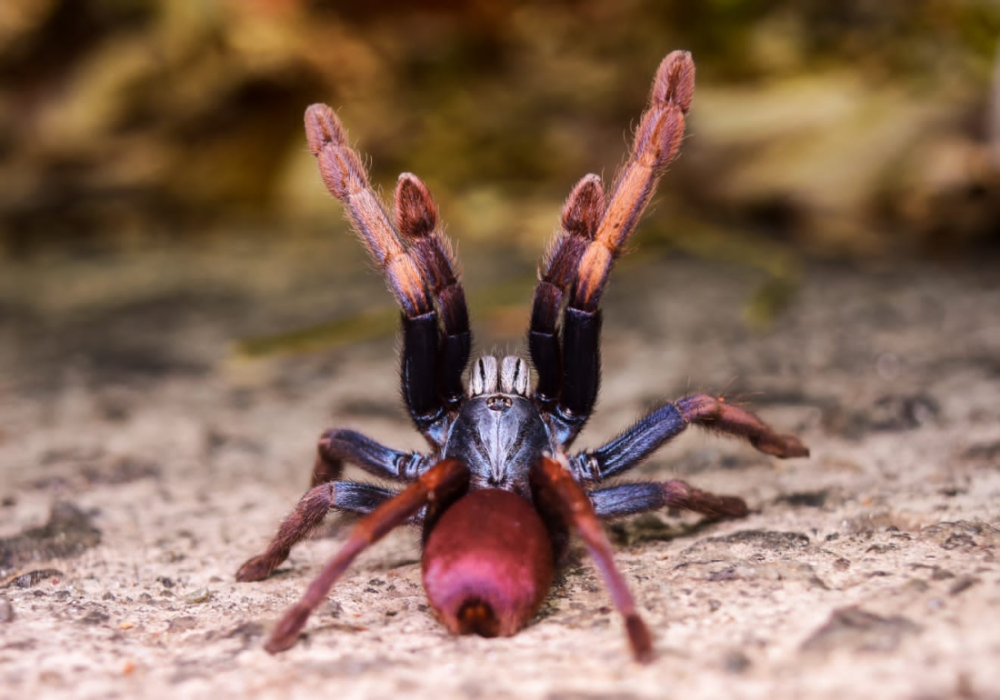
In the tropical forests of the southern Western Ghats in Kerala, India, a female-led team of spider experts are getting behind one of the region’s most unusual native species. The region’s tropical forests are the only place on Earth this species call home. Or at least, that’s how it’s supposed to be.
They have deep, silk-lined burrows that provide temperature and humidity regulation, protect against predators, and shelter from harsh weather.
Aswathy Sankar Singh
The illegal pet trade has zoned in on these tarantulas, and it’s easy to see why. They have a very funky get-up, sporting vibrant and metallic iridescence that no doubt looks very cool in a terrarium, but it’s much more badass in the wild.
“One thing I really like about this species is its habit of burrowing,” said Singh. “They have deep, silk-lined burrows that provide temperature and humidity regulation, protect against predators, and shelter from harsh weather.”
“These spiders are also very patient – they may spend several hours just sitting and waiting at the entrance of their burrows for that one particular prey to pass by. This makes them great examples of energy-efficient predators.”
Psychedelic earth tigers are also at risk from habitat loss and degradation, a precarious position for a species that was only described in 2014. Unfortunately, new-to-science species already facing extinction at the time of their discovery is an increasingly common trend among animals and plants.
“Despite the challenges, there are real reasons for hope,” said Singh. “Targeted conservation actions – such as habitat protection, scientific assessments, community awareness, and better regulation of wildlife trade – are already making a difference for many lesser-known species.”
Awareness truly does translate into conservation impact.
Aswathy Sankar Singh
“For organisms like tarantulas, simply documenting their existence, distribution, and ecological role is a powerful first step. Increased public interest, responsible media coverage, and collaboration between scientists, forest departments, and local communities can directly influence policy and protection. Awareness truly does translate into conservation impact.”
With the support of the Conservation Leadership Programme (CLP), the Western Ghats team is working to safeguard the future of these tarantulas through field surveys, community engagement and awareness initiatives. They join scores of people working tirelessly across the globe to protect other weird and wonderful creatures.
“Our annual Species to Watch list offers insight into the key challenges facing some of the world’s most vulnerable species, including habitat loss, deforestation, illegal wildlife trade and climate change,” said Teleki. “But it also shines a spotlight on the weird and wonderful plants and animals we are working to protect, and on the inspiring people and partners Fauna & Flora works with across the globe to deliver effective conservation action.”
“In challenging times, it stands as a beacon of hope.”
Amendment 8/1/26: This article was updated to include quotes from Aswathy Sankar Singh.



 1
1