Nature
 PUBLISHED



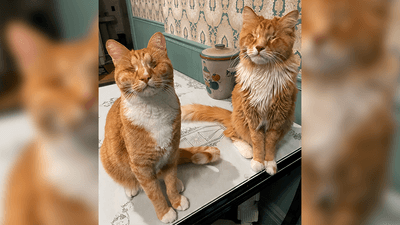


Gary and Shaggy were two very special kitties, and a recently published study has found they are the first domestic pets ever known to be affected by Marfan syndrome, a genetic condition that’s also pretty rare in humans, affecting about 1 in 4,000 people.
Marfan syndrome is a disorder of the connective tissue that holds all the body’s organs and other structures in place – so when this supportive scaffolding is altered, the signs can show up almost anywhere. The underlying genetic mutation in Marfan syndrome affects a gene called fibrillin 1 (FBN1).
According to the Marfan Foundation, the major systems affected in people with Marfan syndrome are the cardiovascular system, skin, bones, lungs, eyes, and head. Being nearsighted is common, and the shape of the skull can be longer and narrower than usual, leading to symptoms like overcrowded teeth and downward slanting eyes.
Heart and blood vessel issues are especially common, affecting about 90 percent of people with Marfan. These issues can be serious and life-threatening, but there are treatments available once someone is diagnosed.
Many cases of Marfan syndrome are inherited, though sometimes the FBN1 mutations can happen spontaneously. Some of the physical differences can help point clinicians towards a diagnosis in the latter case, such as the eye shape and the unusually long limbs that are also typical of people with the condition.
This was the story for Gary and Shaggy. As kittens, their longer legs became noticeable. In Gary’s case, the paper explains, his radius and tibia were over 42 percent longer than an average male domestic shorthair cat.
Later, examinations showed abnormalities in their eyes and the aorta, the major artery within the body. All the signs pointed towards Marfan syndrome.
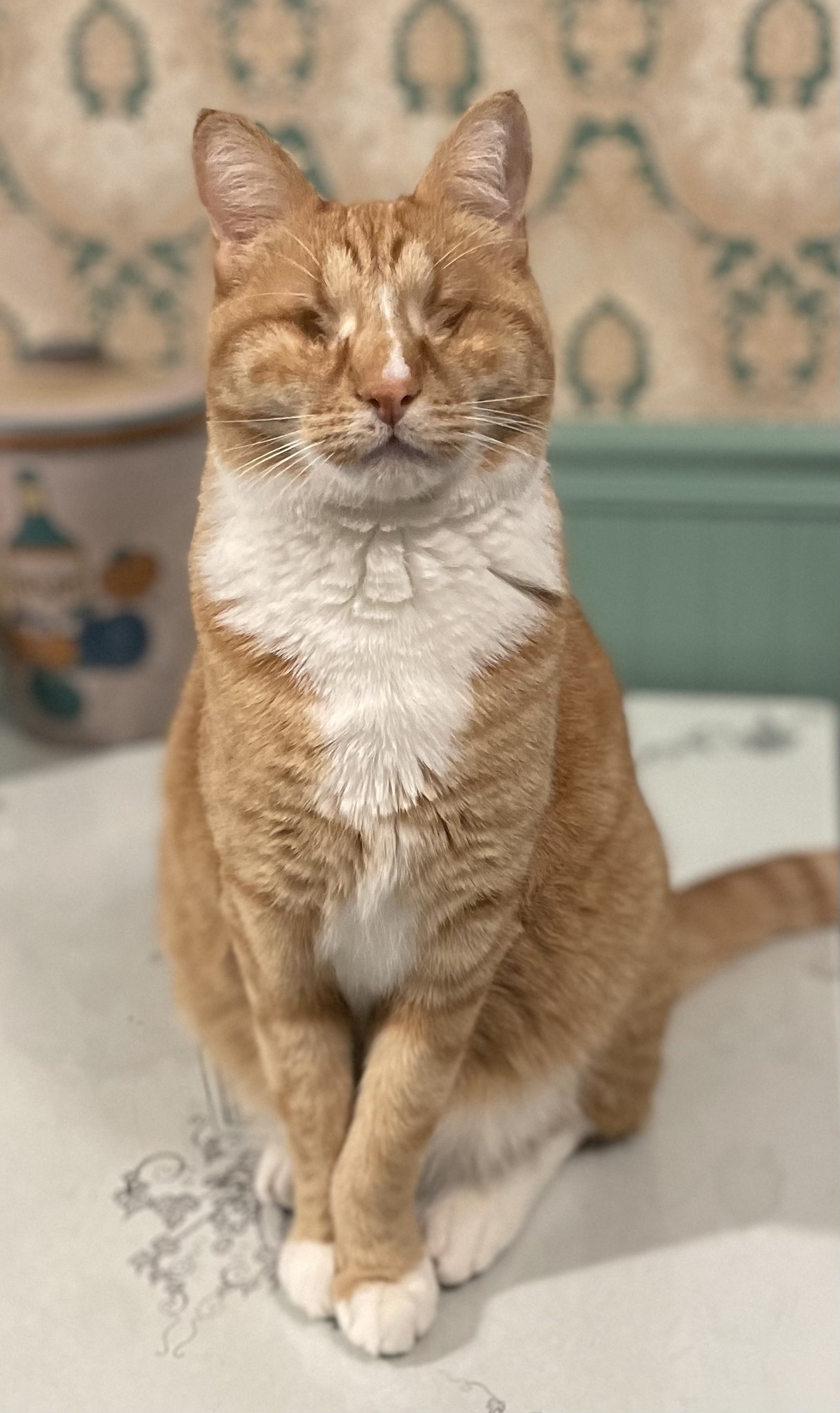
“This discovery is a great example of how pet parents can collaborate with veterinary and genetic experts to learn something that could help other animals in the future,” said senior study author and Cornell University assistant professor Dr Jacquelyn Evans, speaking to the Cornell Chronicle.
Such a rare case brought together a huge multidisciplinary team of veterinary experts and geneticists from institutions in the US and Europe. Testing proved that the cats had mutations in their FBN1 genes. In both cases, both copies of the gene were affected.
This was unexpected – in humans, just one mutated copy is enough to cause Marfan syndrome and homozygotes (where both copies are affected) are less commonly found.
In Gary and Shaggy’s case, the mutation didn't completely shut down the function of the gene, so their bodies were still able to produce some FBN1 protein. The paper describes them as homozygous, but “functionally heterozygous.”
It’s because of this that they were both able to reach adulthood, though one of the treatments required the removal of their eyes. Shaggy ultimately lived to the age of 7 years 2 months, while his brother Gary died at 5 years 10 months.
Marfan syndrome has only been confirmed in one other non-human animal. A 2005 paper documented spontaneous FBN1 mutations in cows, suggesting that they could be a useful animal model for scientists studying the disease.
It’s hoped Gary and Shaggy’s story will also help the vets and scientists of the future to learn more about the condition.
“The findings provide a foundation for improved veterinary diagnostics. It can help veterinarians recognize similar cases in the future and may help develop genetic tests,” added Evans.
The study is published in Scientific Reports.