Nature
 PUBLISHED
 1
1


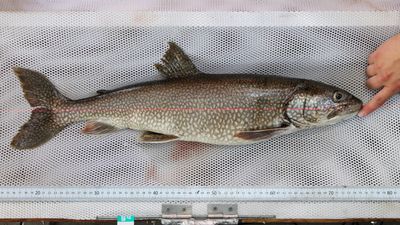


Researchers studying Lake Superior’s resident fish recently discovered what is thought to be the oldest-known lake trout in all of the Great Lakes, estimated to have reached a whopping 62 years old.
When the team at the Michigan Department of Natural Resources (DNR) Marquette Fisheries Research Station collected this fish back in September 2023, as part of a survey on the subspecies of lake trout living on the lake’s Klondike Reef, it didn’t appear to be particularly remarkable. In terms of weight and length, it was nowhere near the heaviest or longest they’d ever recorded.
But in the following March, when fisheries technician and lake trout age expert Dan Traynor began to analyze samples taken from the trout, it became clear that this was a special specimen.
The most reliable way to age a lake trout is by looking at the rings in its otolith, a stone of calcium carbonate found in the inner ear. As the fish grows, so too does the otolith, leaving rings every winter as it does. Counting these rings provides an estimate of the fish’s age. Who knew fish and trees were so similar?
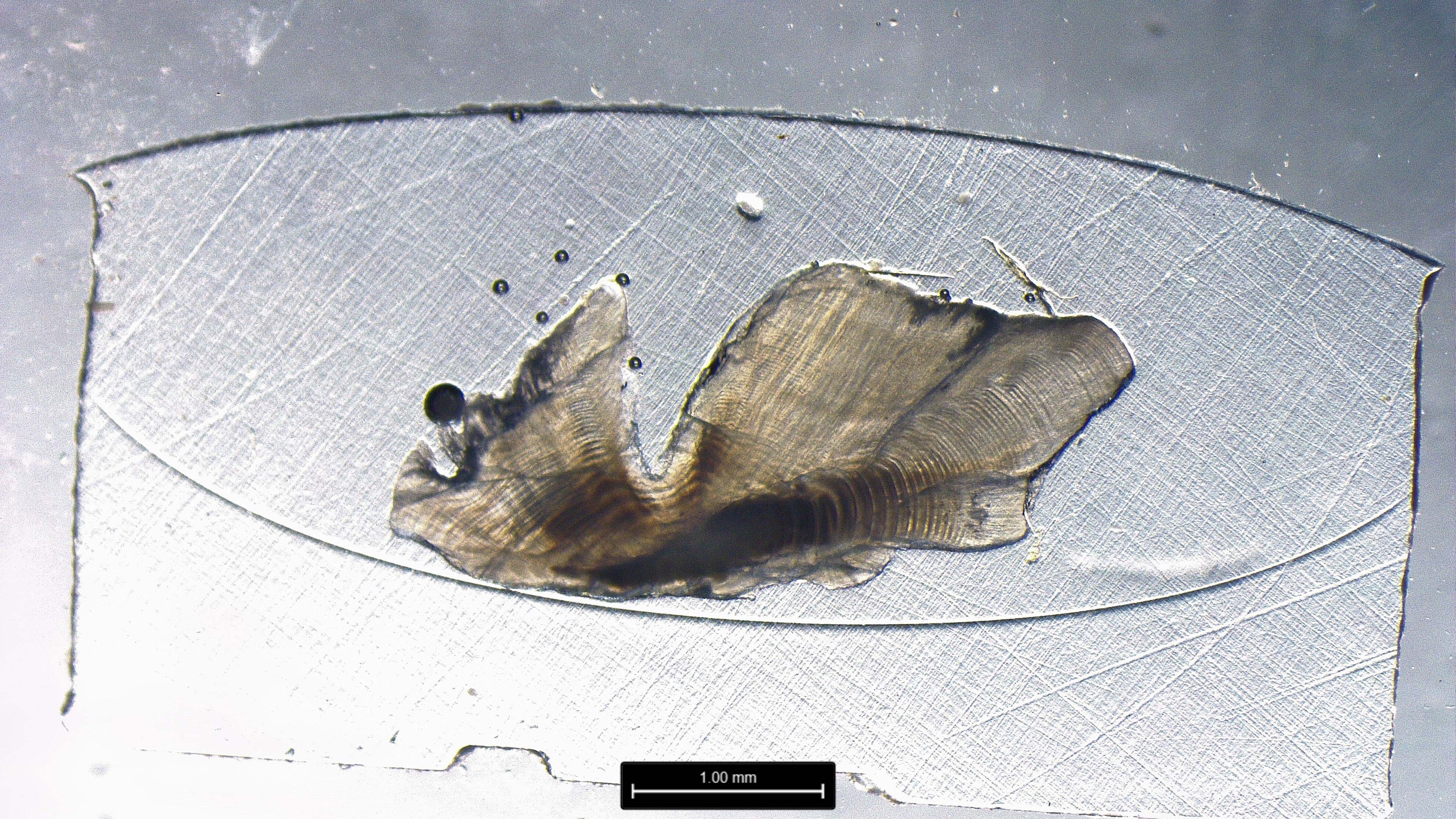
Traynor estimated that this particular fish was 62 years old at the time of collection, making it the oldest-known lake trout to have been found in the Great Lakes, beating out the previous record-holder for Lake Superior by 20 years. For context, lake trout in Lake Superior normally only live for around 25 to 30 years.
The estimate means that this fish had likely been swimming about since 1961, before humanity took its first steps on the Moon, before we sequenced the human genome, and long before we had the technology to turn trout into a cursed, singing piece of home decor.
As is typical for this type of research, the trout died in the sample collection. In tribute to the fish’s year of hatching, the DNR team has named it Mary Catherine, as Mary was one of the most popular baby names at that time.
But it’s not just the fact that Mary Catherine is a record-breaker that makes her discovery interesting. It’s what her age says about the health of the trout in Lake Superior, and that’s particularly important given that, in the mid-20th century, lake trout populations collapsed throughout the Great Lakes.
“Age is one of the most vital statistics used to assess the health of fish populations. Scientists look at the age distribution in fish populations to measure mortality, growth and longevity,” wrote DNR Fisheries research biologist Shawn Sitar in a recent bulletin. “This finding indicates that lake trout indeed live long and prosper in Lake Superior.”