Health and Medicine
 PUBLISHED



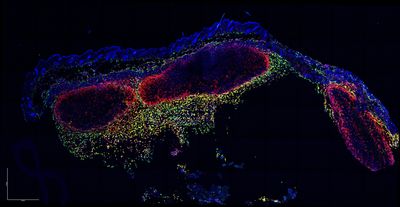


It's feeding time for the macrophages – and for the first time ever, science has a front-row seat. Thanks to some clever microscope wizardry, a team in Australia caught these immune “housekeepers” engulfing melanoma cancer cells in real time, finally revealing this hidden process to human eyes.
“We always suspected macrophages were doing more than we gave them credit for – now we have the video footage to prove it,” said Yuki Keith at the Garvan Institute of Medical Research in Sydney, in a statement.
“Studying this in a living system is crucial because it is more representative of what happens in real life, showing the complexity of the immune system and paving the way for the treatments of the future.”
Melanoma isn't the most common form of skin cancer – it only accounts for about 1 percent of cases in the US – but it is responsible for a majority of skin cancer deaths. Understanding how the immune system responds to it is key to hopefully harnessing that power for new and improved treatments.
And it isn't just about melanoma – “macrophages are highly abundant in most solid tumours,” pointed out Tri Phan, also at the Garvan Institute, so the insights from this footage could help researchers working on all different types of cancer.
“Macrophages have always been known as the body’s housekeepers – they clear away dead cells and debris. What Dr Keith caught on camera was these cells actively nibbling away and engulfing live cancer cells, constraining tumour growth,” said Phan.
Take a look for yourself:
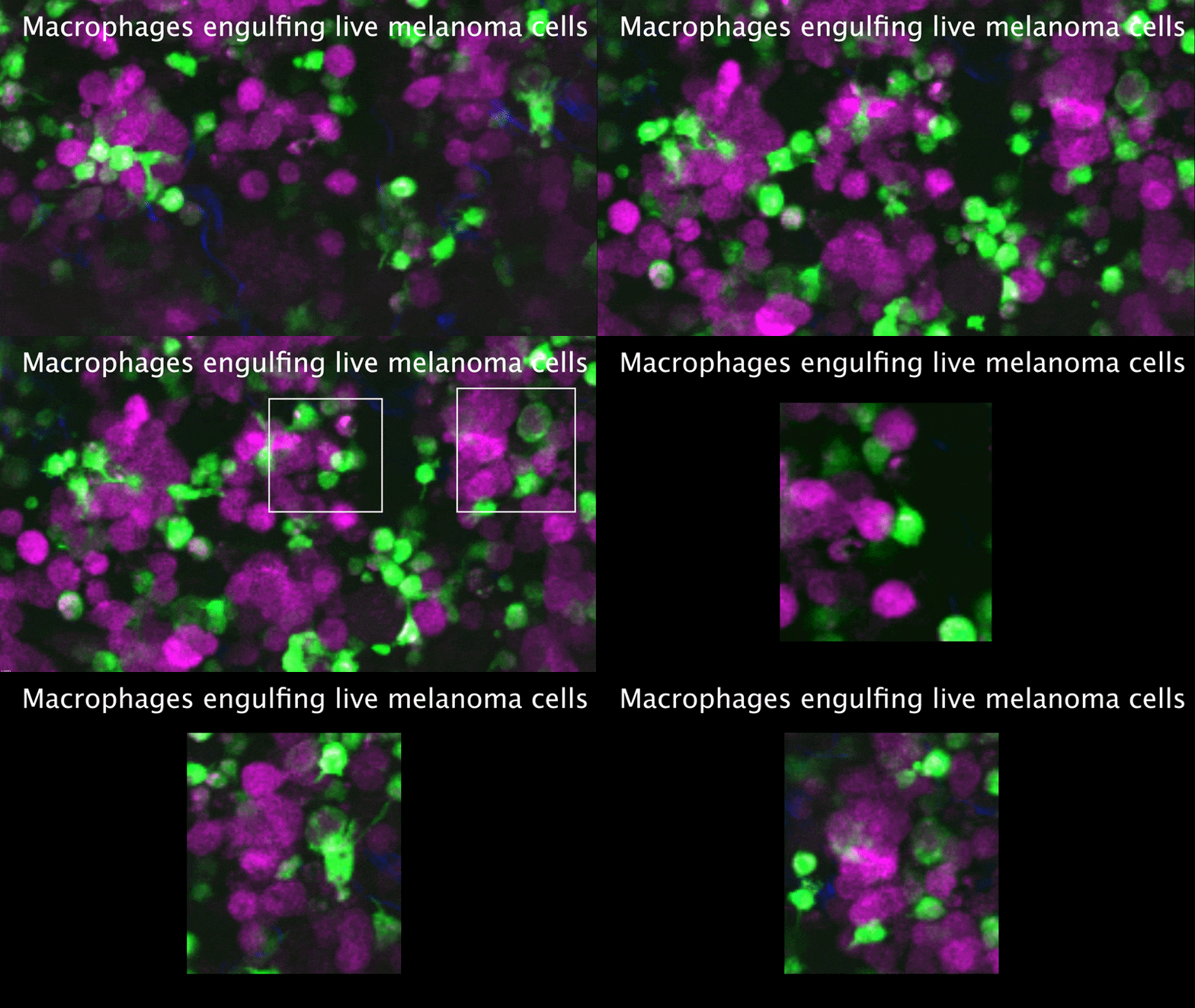
This incredible sight was captured using a technique called intravital two-photon microscopy in mice with live, active melanoma.
It helps resolve a long-standing question in cancer immunology: namely, whether macrophages help or hinder tumor growth. Through their research, Keith’s team identified a special subgroup of macrophages that are positive for a protein called CD169. These, in particular, were found to stop melanoma growth.
As well as the mouse studies, this was confirmed in tumor tissue samples from human patients, where these CD169 macrophages were also present.
Immunotherapy: a revolution in cancer treatment
When cancer begins to grow inside the body, it isn’t just ignored. The immune system mounts a response, but all-too-often this proves insufficient for the task. That’s where treatments like chemotherapy and radiotherapy enter the equation.
But as we know, some healthy cells and tissues will often be caught in the crossfire of these treatments, leading to potentially significant side effects. Immunotherapy – harnessing the body’s own defense systems and turning them against a tumor – offers the promise of a more targeted approach and a new option for some cancers that have resisted other forms of treatment.
One area where impressive strides have been seen is in blood cancers – just last year, we reported on a clinical trial of immunotherapy for T-cell acute lymphoblastic leukemia, in which patients who had not seen results with standard treatments were going into remission.
There are immunotherapies for melanoma too, but not every cancer responds to them. These so-called “cold tumors” appear to be impervious to the T cells that current immunotherapies are centered around. Could looking to macrophages, sister immune cells with a very different role to play, provide answers?
“While macrophages are known as the body’s housekeepers, they also have a second job: acting as immune informants,” said Keith. “Once they consume a threat, they chew it up and display a piece of it on their surface, like a biological ‘red flag’."
"We suspect that these CD169-positive macrophages are doing exactly this with the live cancer cells, which means they could hold the key to calling the T cell cavalry into the tumour to finish the job.”
“If we can harness this population of macrophages, we potentially have an immune army already in place, ready to be mobilised,” added Phan.
There are few things we at IFLScience love more than a cool science video, revealing previously unseen parts of the natural world or the distant reaches of space. In this case, the first-of-its-kind footage comes with the promise of knowledge that could help improve outcomes for thousands of cancer patients of the future – and we think that’s pretty awesome.
The study is published in the Journal of Experimental Medicine.