Nature
 PUBLISHED


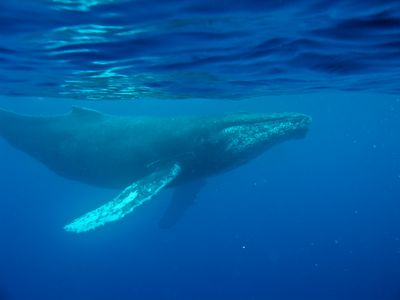


Whale song gets a lot of interest, whether it's for conservation, like finding mates for lonely whales, or helping you sleep. We're using it to decode language and practice speaking to aliens; it's even been sent into space. However, when archivists at the Woods Hole Oceanographic Institution (WHOI) stumbled upon an audograph disc, they weren’t expecting to hear whale song from 1949. This newly unearthed audio is most likely the oldest recording of whale song in the world.
The disc had come from researchers aboard the R/V Atlantis that were conducting acoustic experiments alongside the US Office of Naval Research at the time, including measuring the volume of explosives and testing sonar systems.
Initially, archivists from WHOI weren’t sure what they were listening to, but working with the Ocean Alliance, they were able to compare their recording to the Ocean Alliance archive of more than 2,400 recordings of whale and other ocean noises from the 1950s through to the 1990s. This helped them identify that it’s the song of a humpback whale, recorded near Bermuda on March 7, 1949.
“Data from this time period simply don’t exist in most cases,” said Laela Sayigh, a marine bioacoustician and senior research specialist at WHOI, in a statement. “The ocean is much louder now, with increases in both number and types of sound sources. This recording can provide insight into how humpback whale sounds have changed over time, as well as serving as a baseline for measuring how human activity shapes the ocean soundscape.”
The recording was made using a Gray Audograph, which etches the audio onto plastic discs rather than cassette tapes, probably using what is dubbed the WHOI "suitcase", an early underwater acoustic recording device. This method is likely why the audio recording survived all these years, as many other tape-based recordings have degraded with time. However, because those who made the recording weren’t sure what they were hearing, the recording was not properly archived and instead just sat quietly for the last 80 years.
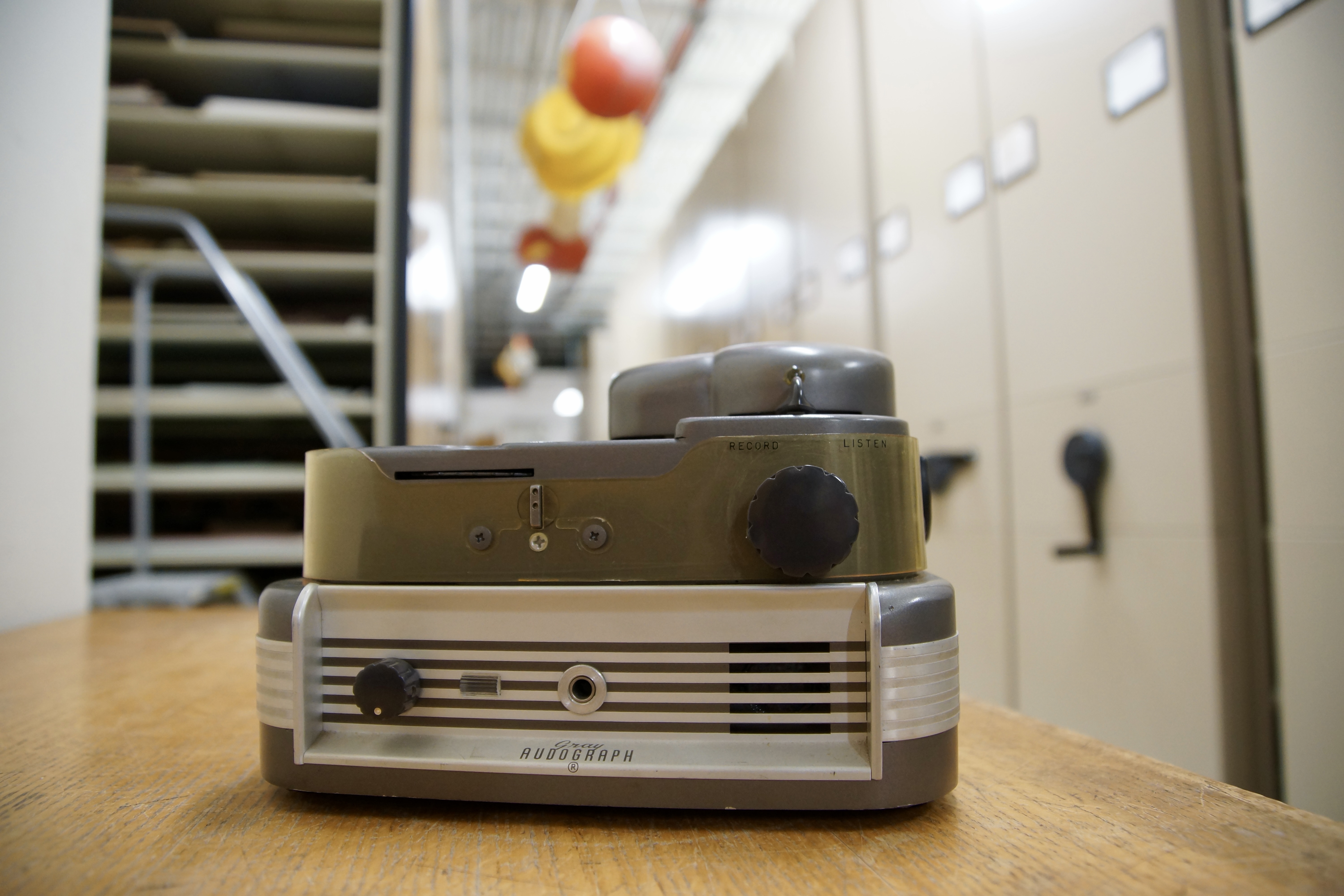
“These audograph discs survived because of their material and careful preservation,” said Ashley Jester, Director of Research Data and Library Services at WHOI. “WHOI’s audograph collection reflects a chain of close observation and curiosity—first by the scientists and engineers who recorded underwater sounds they couldn’t explain, and now by the librarians, archivists, and audio preservation experts who were determined to keep digging.”
Today, whale song is being used to understand more about how they communicate and over such long distances. Sperm whales have even been recorded using “vowel sounds” and appear to have a "phonetic alphabet" similar to humans, while blue whales hide their songs from killer whales to protect their calves by singing in a different range that renders them invisible.
“Underwater sound recordings are a powerful tool for understanding and protecting vulnerable whale populations. By listening to the ocean, we can detect whales where they cannot easily be seen,” said Peter Tyack, a marine bioacoustician and emeritus research scholar at WHOI.
“At the same time, these acoustic tools let us track how human activity, from shipping noise to industrial sounds, changes the ocean soundscape and affects the way whales communicate, navigate, and survive.”
The WHOI archive recently received funding to digitize its audograph collection, which, when complete, will be accessible to researchers and the general public.
“Preserving data when it is created is an investment in the future of science,” Jester said. “These recordings remind us why we collect data, even when we don’t immediately know what it means.”