


 Nature
 PUBLISHED




The findings of the 2023 State of the Climate report are in – and they are just as damning as you’d imagine. According to the study, 20 of 35 planetary vital signs used to track climate change are at record extremes.
These vital signs include things like carbon dioxide concentrations in our atmosphere, tree loss due to wildfires, sea level change, Antarctic ice mass, the number of extremely hot days, ocean acidity, and so on.
These 35 metrics aren’t just lifeless data points. The researchers were keen to stress that each one of these vital signs potentially represents an increase in ecological destruction and human suffering via deadly heat, rapidly changing habitats, flooding, and much more.
“Life on our planet is clearly under siege,” William Ripple, lead study author and distinguished professor in the Oregon State University College of Forestry, said in a statement. “The statistical trends show deeply alarming patterns of climate-related variables and disasters.”
It’s also evident that the Global South, developing countries, and disadvantaged communities will be hardest hit by the impacts of climate change. Ironically, however, they contributed the least towards the creation of this problem.
The last of these reports, called the “World Scientists’ Warning of a Climate Emergency”, was released in 2019 and things have become significantly worse since then.
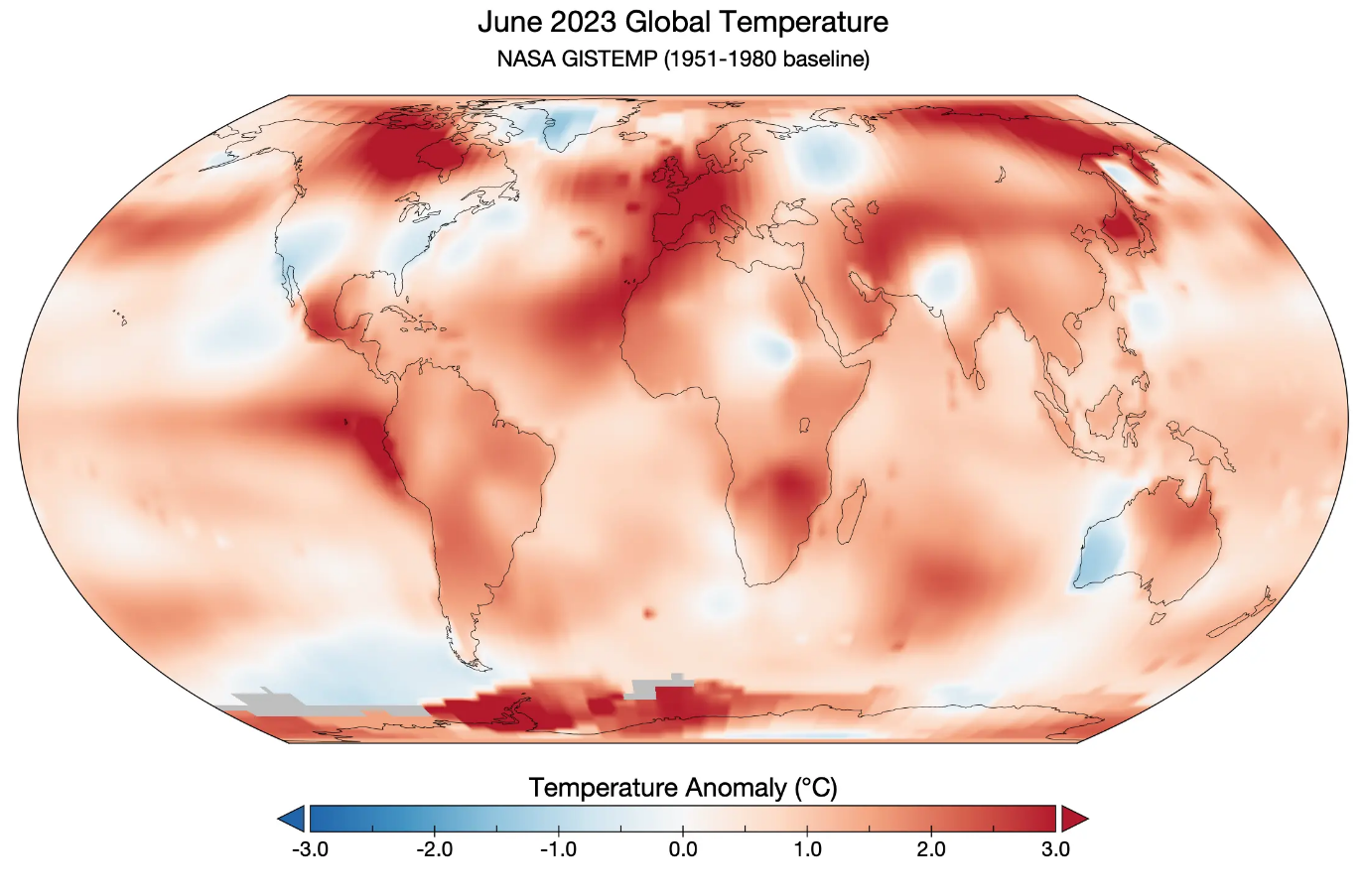
2023 has already seen 38 days with global average temperatures more than 1.5°C (2.7°F) above pre-industrial levels, a significant milestone which entails significant change to the planet. Until this year, days 1.5°C (2.7°F) above pre-industrial levels were a rarity.
Furthermore, July 2023 had the highest average Earth surface temperature ever recorded.
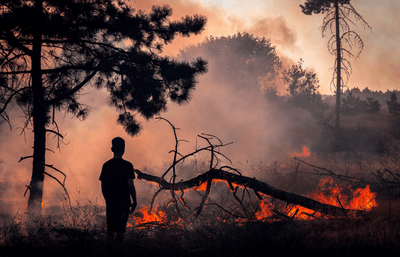
This year has also endured wildfires in Canada that have pumped more than 1 gigaton of carbon dioxide into the atmosphere, significantly greater than Canada’s total greenhouse gas emissions in 2021.
“As scientists, we are hugely troubled by the sudden increases in the frequency and severity of climate-related disasters,” added former OSU postdoctoral researcher and lead study author Christopher Wolf. “The frequency and severity of those disasters might be outpacing rising temperatures. By the end of the 21st century, as many as 3 to 6 billion people may find themselves outside the Earth’s livable regions, meaning they will be encountering severe heat, limited food availability and elevated mortality rates.”
Depressingly, very little is being done to address the problem. In fact, the powers that be are actively fanning the flames. Fossil fuel subsidies – financial incentives provided by governments to reduce the cost of producing or consuming oil – roughly doubled between 2021 and 2022, from $531 billion to just over $1 trillion.
The report's authors do offer some solutions. As per their conclusions, the world needs to phase out fossil fuel subsidies, transition toward plant-based diets, increase the protection of forests, and adopt fossil fuel non-proliferation treaties.
More broadly speaking, they argue the only way to reduce the fallout of this mess is to shift the world's economic priorities toward the basic needs of all people, as opposed to supporting extreme consumption of the uber-wealthy.
"This is our moment to make a profound difference for all life on Earth, and we must embrace it with unwavering courage and determination to create a legacy of change that will stand the test of time," the study authors conclude.
The study is published in the journal BioScience.



 1
1