


 Nature
 PUBLISHED


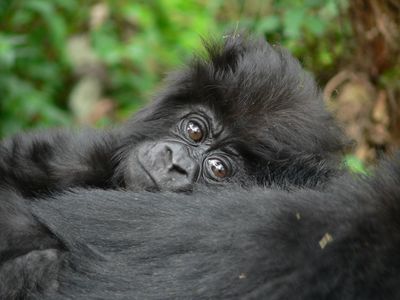


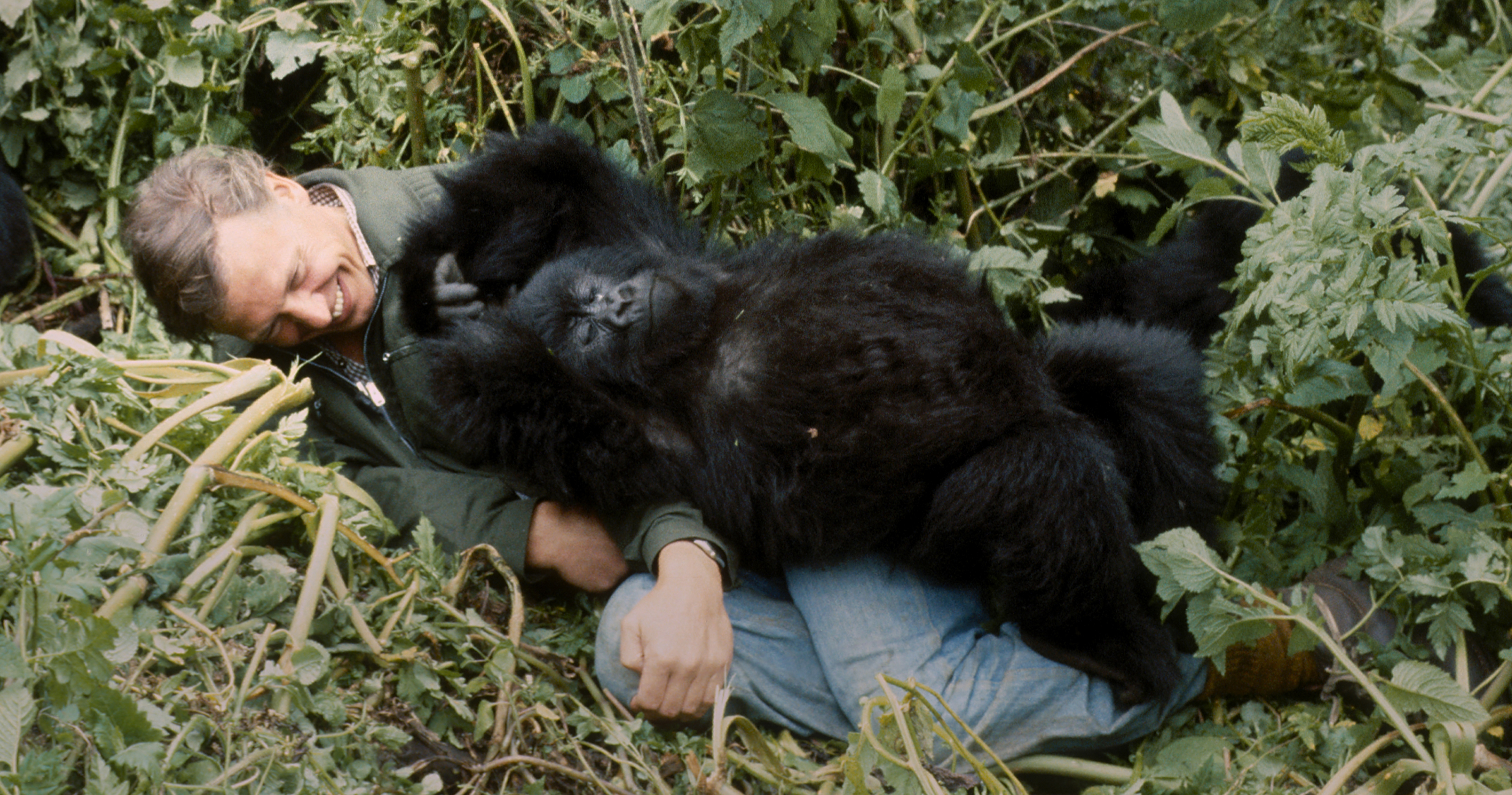
High up in Rwanda's Virunga Mountains lives a very special gorilla family. First rising to television fame on David Attenborough’s Life On Earth in 1979, few could fail to be impressed by the sight of 3-year-old Pablo the mountain gorilla sprawled across his new friend David, the picture of toddler joy. Now, nearly 50 years later, a fascinating new documentary, narrated by Attenborough, takes us back to the Pablo group.
In the film, named A Gorilla Story: Told by David Attenborough, we catch up with the group at a tumultuous time. Leader of the group, 27-year-old Gicurasi, has been in charge for the last five years, but times are changing and up and coming younger male Ubwuzu has his sights set on dominance.
But as Attenborough states during the documentary's opening, just getting close enough to the group to film this new dynamic wouldn’t have been possible without the pioneering work of Dian Fossey. The American primatologist and conservationist devoted her life to study of these gorillas and their protection, and the film uses almost six decades of research by Fossey and others like her to show the audience an intimate portrayal of gorilla family life in these mountains.
Woven through the story are excerpts from Attenborough's own diaries, written during that first encounter and read aloud by him, as he brings together the legacy of Pablo, his life story, and the group he gave his name.
Ahead of the release of the documentary on Netflix, we caught up with Dr Tara Stoinski, scientific advisor to the crew and President, CEO, and Chief Scientific Officer for the Dian Fossey Gorilla Fund, to find out just what goes into filming wild gorillas and capturing these extraordinary behaviors.
"We really felt that Pablo's group was a story that needed to be told" Dr Stoinski told IFLScience. "This is an amazing family that's been around for more than 30 years that we've been studying every day."
"We had all of the information on the individual gorillas, you know, going back almost 60 years that really helps create the rich tapestry of the social life of these animals," Dr Stoinski continued. "So who they all are, who they're related to, who's lived with whom, you know, there's a lot of dynamics that play out in the film and that all comes from the data that we've collected over time and then sharing that data and helping to interpret the behavior of the gorillas based on, what we know of them from years of watching them."
The film features the highs and sometimes shocking lows of gorilla life, and follows the change in leadership of the Pablo group as old leader Gicurasi and younger male Ubwuzu come to blows.
"Gicurasi was in his late 20s, still very, you know, fit and firm male, but he got ill. And I think Ubwuzu really took advantage of the fact that he was under the weather to make this challenge for dominance," said Dr Stoinski. "But when the film crew came, we had no idea that that was going to happen. We've only actually observed a handful of dominance takeovers in 60 years. So to get one on film was just, it was incredible."
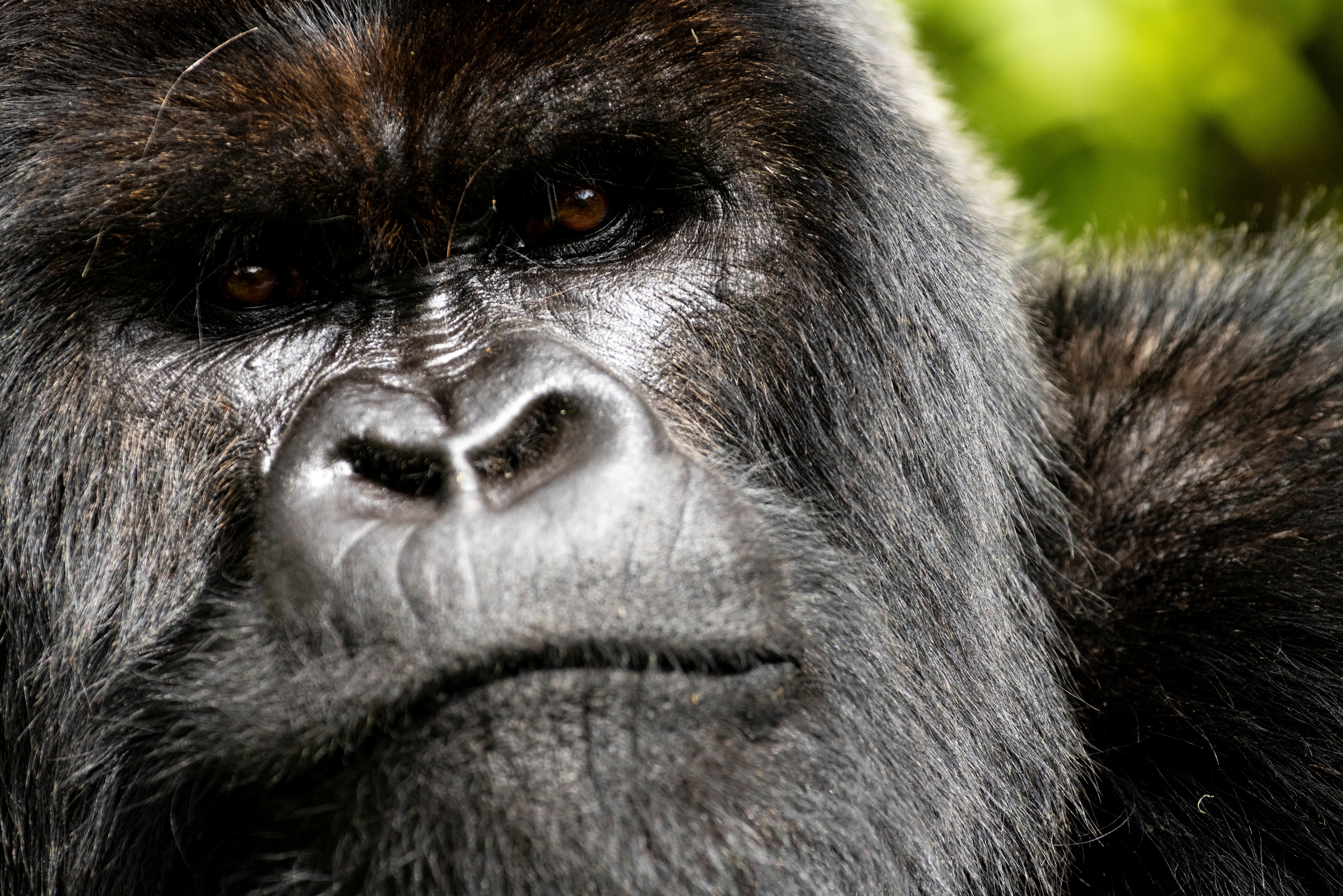
After filming stopped, Stoinski told IFLScience that the team hasn't seen Gicurasi in over a year. "Just after his 30th birthday, he disappeared. That was last year, we looked for him for multiple months, but we were not able to find him or recover a body."
While it is possible Gicurasi may still be out there on the mountain, one thing remains clear. His legacy, much like Dian Fossey's, Pablo's, and, dare we say it, Attenborough's, will live on in the remarkable lives and footage of this incredible family.
"Filming stopped, but the group continues on and we're still out there with them every day."
A Gorilla Story: Told by David Attenborough premieres globally on Netflix on April 17.


 1
1