Nature
 PUBLISHED




With its unofficial motto “Improvise. Adapt. Overcome.”, the United States Marine Corps emphasizes resilience and creativity when overcoming adversity with limited resources. We see it in science all the time, from the zoologist who used their own body to study hookworm infections, to the scientists banned from eating “Martian beans” they grew using festival-goers urine. Now, the humble condom has taken on an entirely new role in remarkable research unfolding in the Amazon.
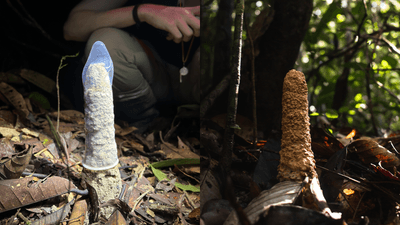
Wander into the right part of the Amazon and you’ll find strange structures emerging from the forest floor. These cylindrical towers are sculpted out of clay and excrement. Not by humans, but by cicada nymphs.
Known as cicada towers, they’ve represented something of a mystery for scientists. We knew they were built by cicadas, but the big question was why? Their construction is a feat of engineering that begins around a year before a nymph is ready to metamorphosize into its adult form. When the big day comes, the nymph will scramble to the top and begin its transformation. But there’s that big question again: Why?
Marine biologist Marina Méga from the Federal University of Rio de Janeiro was one of a quartet of women eager to find out. Together, they had picked up on one of the Amazon’s most ubiquitous traits: ants. The forest is covered in them. Big ones, small ones, some that will snip up your tent and carry it away, and others that will make you feel like you’ve been shot for several days. Remarkable creatures, but in the Amazon, ants can be a real (and often literal) pain in the ass.
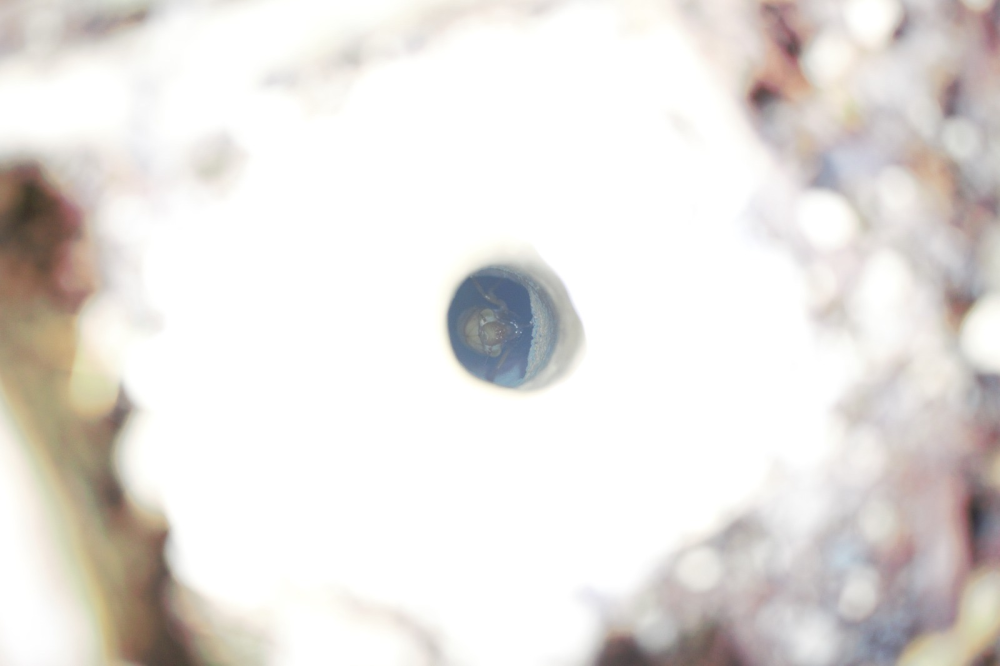
Figures, then, that other forest creatures might be bothered by them. So, theory number one was that these towers reduced predation opportunities when the nymphs were mid-metamorphosis and vulnerable. Theory number two touched on the chimney-like structure of these hollow, cylindrical towers. Developing underground doesn’t give you the best access to surface-side resources, especially when it rains and the substrate becomes sodden. Were these towers a solution to that?
Condoms worked remarkably well for that purpose. It was definitely an unconventional solution, but field ecology often involves a lot of creativity and improvisation to test ideas in challenging environments.
Marina Méga
To find out, the team did what any good scientist does when faced with a mystery and limited resources: they got creative. The ants could be easily baited into cooperating with their studies using small “pizzas” made of flour, water, and sardines.
To study gas exchange, they were going to need to find a way to seal the chimneys. Here, the phallic shape of the cicada towers provided inspiration. After all, what better tool is there for wrapping a shaft than the humble condom? So, 40 of them joined the field kit.
“They turned out to be a surprisingly useful experimental tool!” said Méga to IFLScience. “We needed something lightweight, flexible, inexpensive, and easy to place over the towers while blocking airflow without destroying the structures. Condoms worked remarkably well for that purpose. It was definitely an unconventional solution, but field ecology often involves a lot of creativity and improvisation to test ideas in challenging environments.”
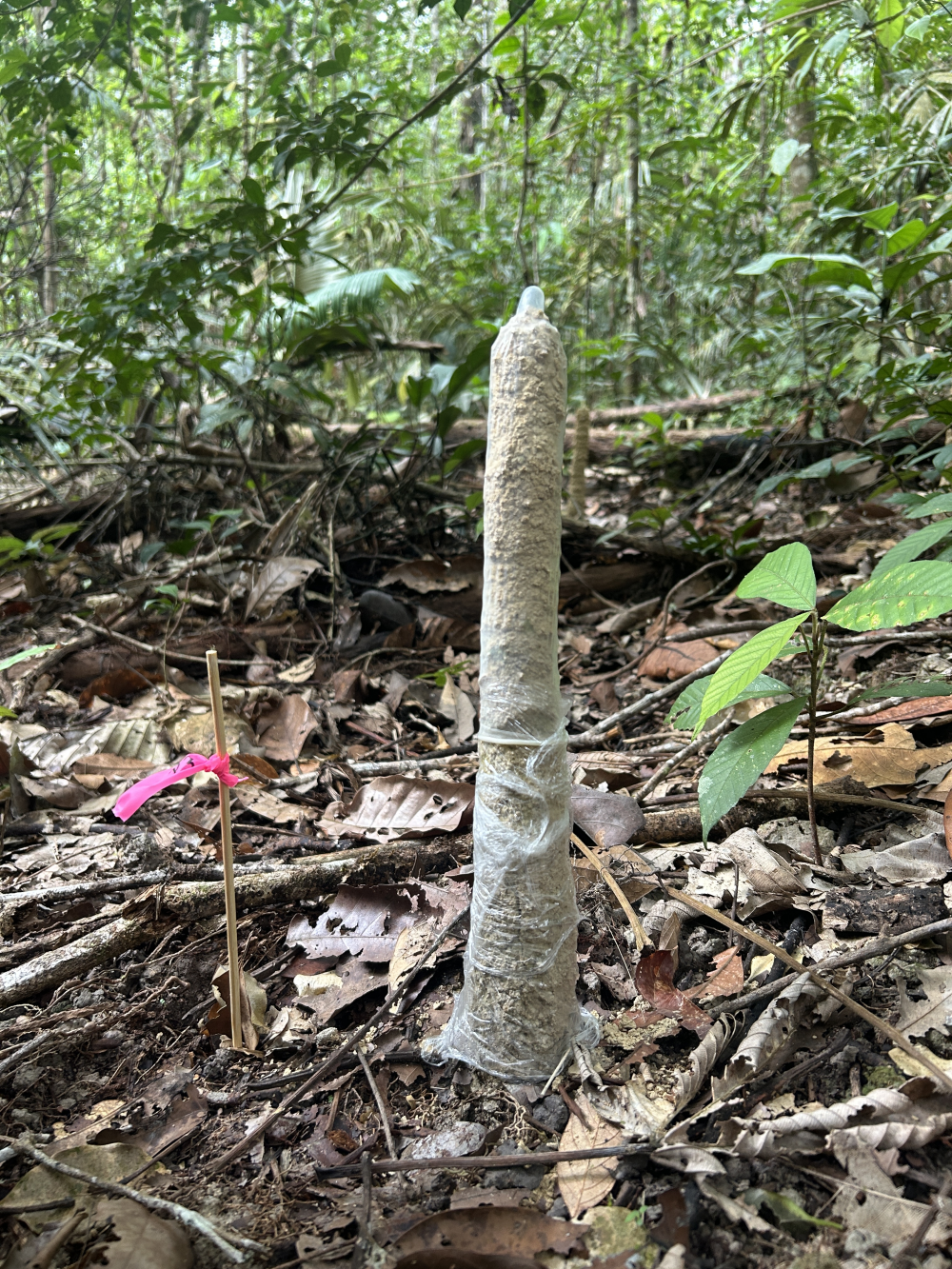
The idea was that by saturating some towers with water, sealing some with condoms, and leaving some alone as a control, they could observe how the cicadas responded. This could be opening the tower to regain airflow, or adjusting the height of the tower when it was rebuilt (the researchers snapped them off to observe this).
Previous studies have shown that the nymphs repair and maintain the towers whenever necessary, which makes the engineering behind them even more impressive.
Marina Méga
They improvised, they adapted, and they overcame the mystery. Their ant studies revealed that there were eight times fewer ants on the towers compared to the ground. This means a tall tower puts a developing nymph at a safe distance from their would-be attackers when transformation day arrives.
As for airflow, findings were tentative, as the team were not sure their water condition accurately reflected rainfall. However, there was evidence to suggest the towers aid gas exchange because restricting airflow by sealing the towers altered how they rebuilt their towers. Subsequent rebuilding was size-dependent, suggesting the nymphs were responding to respiratory stress such as low oxygen or carbon dioxide buildup.
A fitting study design for some rather suggestive structures, I think you’ll agree. The team were rewarded for their creativity with the chance encounter of the largest cicada tower on record.
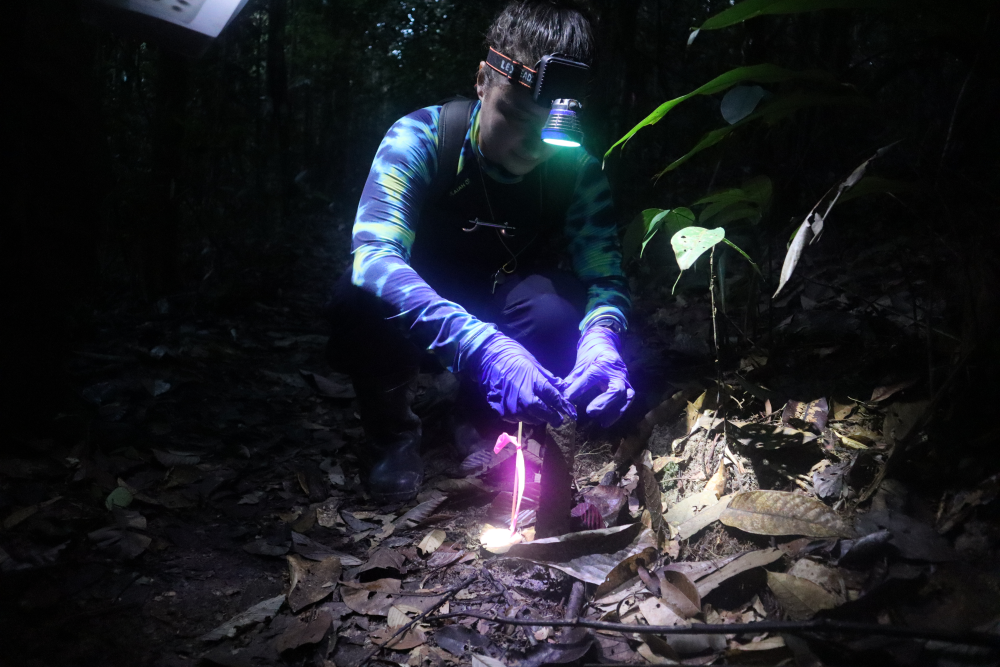
“We were absolutely euphoric,” said Méga. “Before our expedition, the largest cicada tower ever documented was around 40 [centimeters (15.7 inches)] tall. During fieldwork, we first found one measuring 41cm [16.1 inches], and that alone already felt incredibly exciting for us. Then we came across a 47cm [18.5-inch] tower, and we honestly could not believe it was standing upright.”
“These towers are delicate structures, and this one was noticeably harder to handle because, being so tall, it was also much more unstable. It felt like it could collapse with the slightest movement. Seeing it reaching that size immediately made us think about the enormous amount of work involved for the cicada nymphs, not only to build the tower, but also to maintain it over time. Previous studies have shown that the nymphs repair and maintain the towers whenever necessary, which makes the engineering behind them even more impressive,” added Méga.
Insect architects and condoms in the Amazon – don’t you just love science?
The study is published in the journal Biotropica.