Nature
 PUBLISHED




Have you ever ridden a horse? Or an camel? Or wondered what it might be like to ride on those eagles like a hobbit?
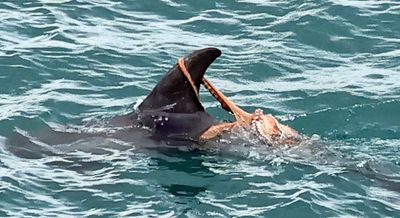
Well, photographs from the UK coast reveal that it's not just people who might get a thrill out of an unusual ride, as they appear to show an octopus passenger clinging to the fin of a Risso’s dolphin.
Bill Coulson, a Risso’s Dolphin Project South West project volunteer, was taking photos when he captured the three images of the dolphin with the octopus.
Risso’s dolphins (Grampus griseus) are typically found in deep waters and have a diet that is made up mostly of squid, though it seems the individual in the photograph might have developed a taste for octopus.
A report by the Marine Biological Association has been looking at the increase in common octopus populations off the coast of the south west of the UK since last year. In 2025, the south west saw the largest bloom in population numbers for common octopuses in at least 75 years, explains the report.
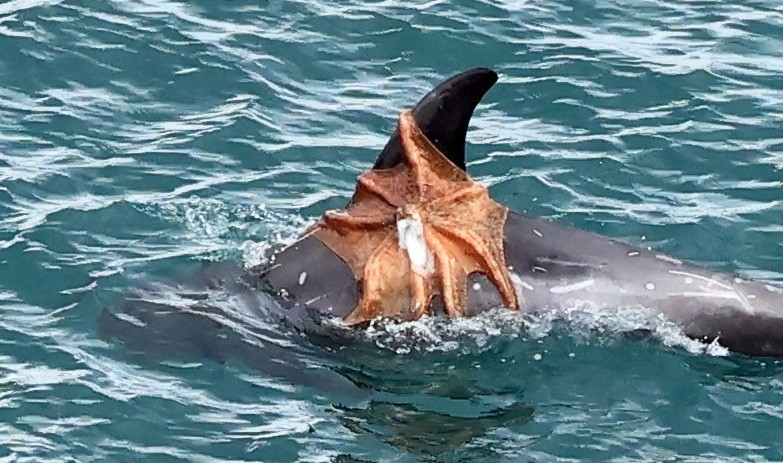
“These photographs offer a fascinating glimpse into the feeding ecology of Risso’s dolphins and the changing marine environment around our coasts. Risso’s dolphins are closely associated with cephalopods, and sightings like this help us understand how they are responding to changing prey availability,” explains University of Exeter MSc researcher Josh Symes in a statement.
The report revealed that the bloom impacted fishing communities in the area, since octopuses consumed brown crabs (Cancer pagurus), European lobster (Homarus gammarus), and king scallops (Pecten maximus), all of which are sold commercially in the south west of the UK.
“We’re still seeing lots of reports of octopus across southwest waters, and understanding what’s driving these changes is an important area of research,” said Dr Bryce Stewart, Senior Research Fellow at the Marine Biological Association.
“Observations of interactions between Risso’s dolphins and common octopus help to demonstrate how shifts in the abundance of a species can ripple through the wider ecosystem. It’s a powerful reminder of how interconnected our marine environment is and why we need to continue studying it.”
The bloom in octopus numbers is likely to provide new feeding opportunities for the Risso’s dolphins; these results reflect the impacts of warming oceans and marine heatwave conditions, which can shift the distributions of different species and cause changes in feeding patterns and behaviors.
“The images also highlight the value of citizen science, as observations from volunteers are helping us build a clearer picture of marine wildlife across the south west,” said Symes.
Elsewhere in the world, in 2023 an octopus was recorded “riding” a shark in Hauraki Gulf near Kawau Island in what was described at the time as a “mysterious sight indeed” by the University of Auckland.
The scientific phenomenon of animals truly hitching rides on others is called phoresy. In these cases, the rider gains some kind of benefit while the animal being ridden doesn't gain anything, but doesn't lose anything either.
It's not clear that the octopus ride really counts as an example of phoresy, however – as we said, it may just be that the Risso's dolphin fancied an eight-tentacled snack.