Nature
 PUBLISHED


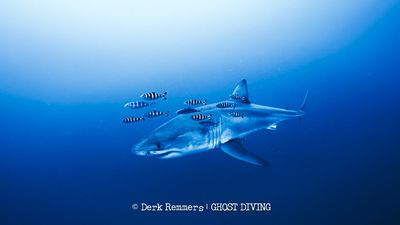


Divers recovering abandoned fishing nets from a shipwreck in the Strait of Sicily have recorded an unforgettable encounter with a great white shark. The footage not only demonstrates just how curious these enigmatic creatures are, it also represents the first known underwater footage of the animal in the Mediterranean Sea.
Great white sharks (Carcharodon carcharias) are a fascinating species, but they are also classed as Vulnerable by the International Union for Conservation of Nature (IUCN).
Scientists have long known that these iconic predators live in the temperate waters of the Mediterranean Sea, but their presence is rarely seen. If they have been spotted, it has typically been through patchy above-water sightings, through historical records, or as bycatch from fishing vessels working in this busy waterway.
Given this scarcity, any encounter with a white shark in these waters is valuable for both scientific and conservation efforts. But I doubt this was the first thoughts of the diving crew who witnessed an adult great white shark that turned up out of the gloom while they were removing ghost nets – abandoned fishing nets that can trap and kill fish, endangered turtles, and other marine animals.
The footage of the shark was captured by Ghost Diving volunteer Derk Remmers, and shows the large fish swimming towards the camera before circling the diver and eventually returning to the darkness again.
“Statistically, it is way more likely to win the lotto jackpot than to meet such an iconic animal underwater,” Remmers explained in a statement.
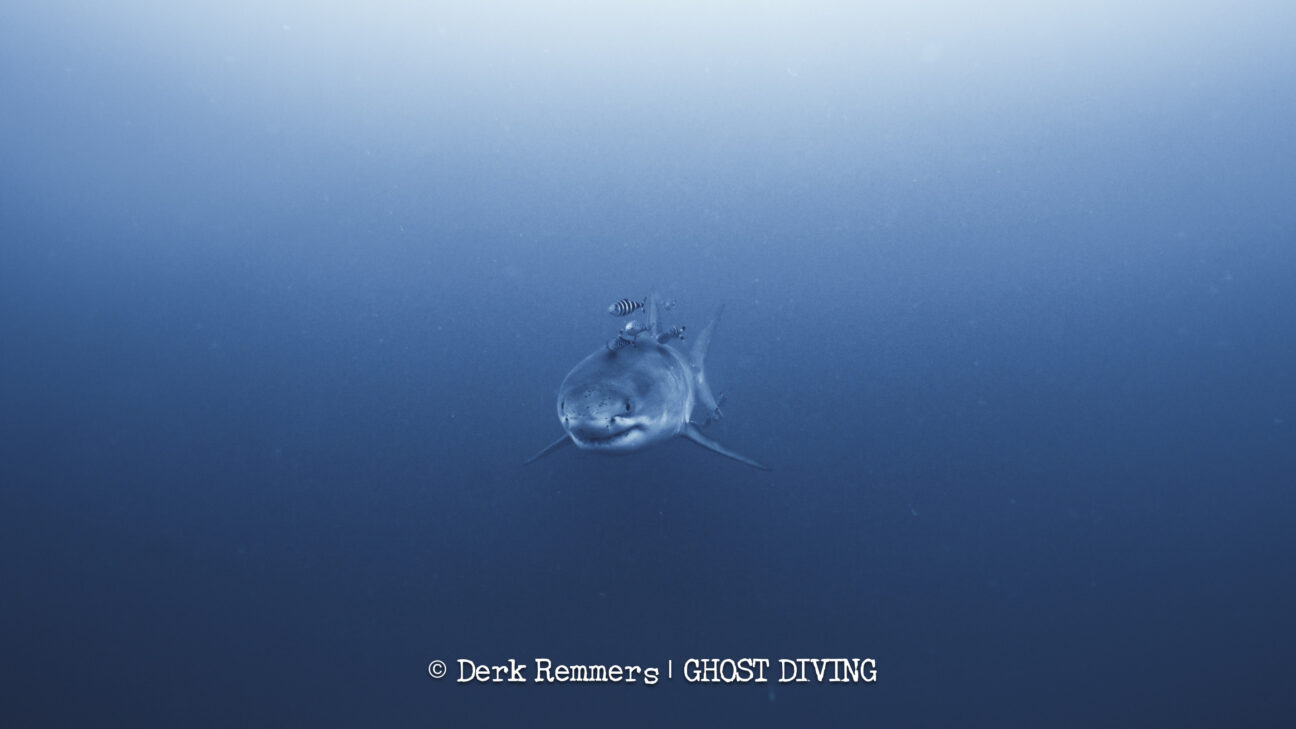
“You spend decades diving wrecks and removing ghost nets, but nothing prepares you for a moment like this. An offshore underwater shark encounter in the Mediterranean is insane, yet we also went on with our diving plan to remove nets from the wreck, as this moment showed the importance of our work very clearly.”
It’s an incredible and fascinating sight, one that further emphasizes the significance of the team’s work.
“What makes this encounter so powerful is not only the shark itself, but the context in which it happened. We were there to remove ghost nets trapping marine life on a shipwreck ecosystem that is a hotspot for biodivesity. Moments like this remind us how much life can still exist in offshore Mediterranean waters and how important it is to protect it from preventable threats like abandoned fishing gear or overfishing,” Veronika Mikos, Director of Healthy Seas, added.
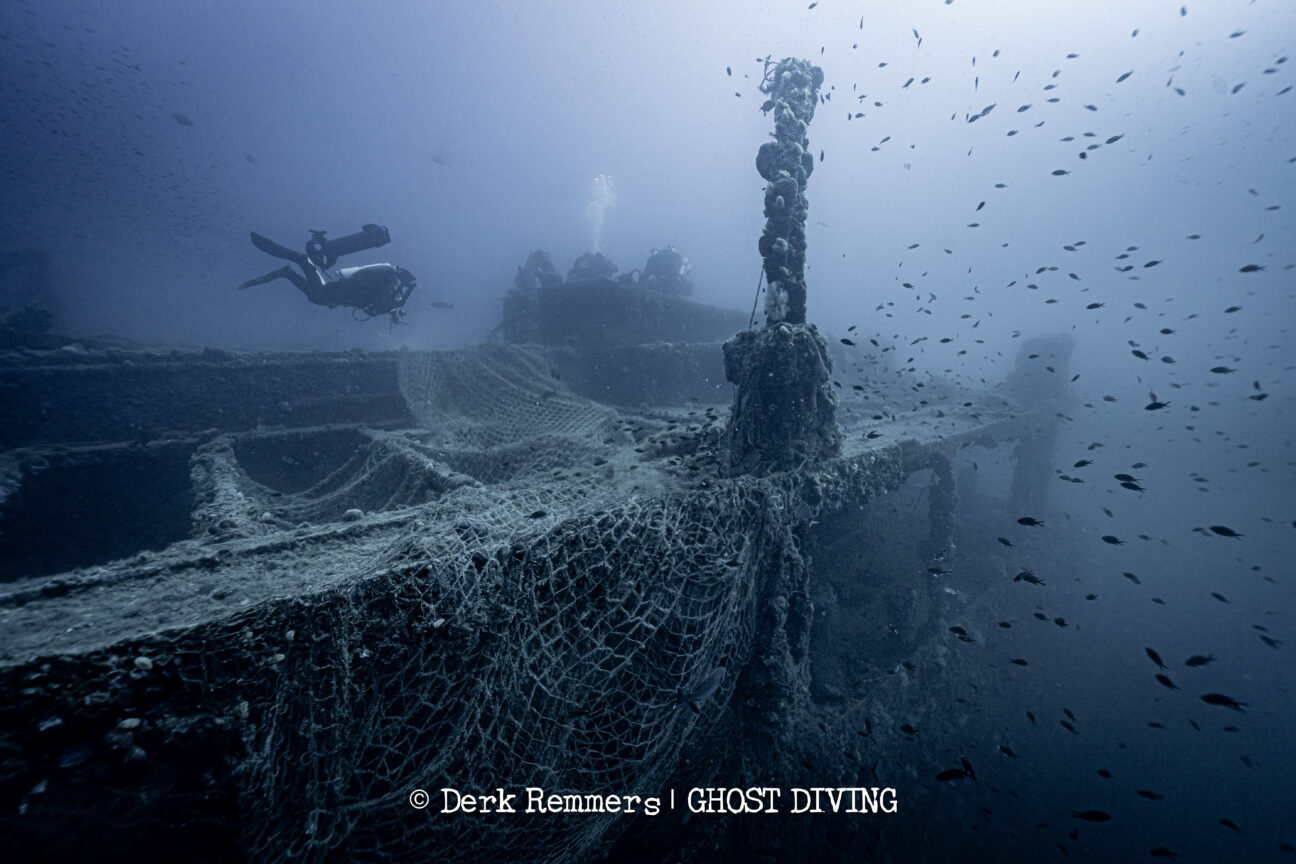
The cleanup effort was organized by Healthy Seas in collaboration with Ghost Diving and The Society for Documentation of Submerged Sites (SDSS). These teams work to remove ghost nets from the Mediterranean while also monitoring life around shipwrecks.
They combine marine conservation with technical diving, scientific collaboration, and underwater documentation. They also pool their efforts with external researchers who monitor threatened shark populations in the area.
“Most of our knowledge on the White Sharks in the Mediterranean Sea comes from records of dead specimens caught by fishing operations. Observations like this are extremely valuable for improving our understanding of the distribution, habits, and behaviour of this critically endangered species, whose survival is threatened by human activities,” Dr Carlo Cattano, researcher at the Sicily Marine Centre of the Stazione Zoologica Anton Dohrn, said.
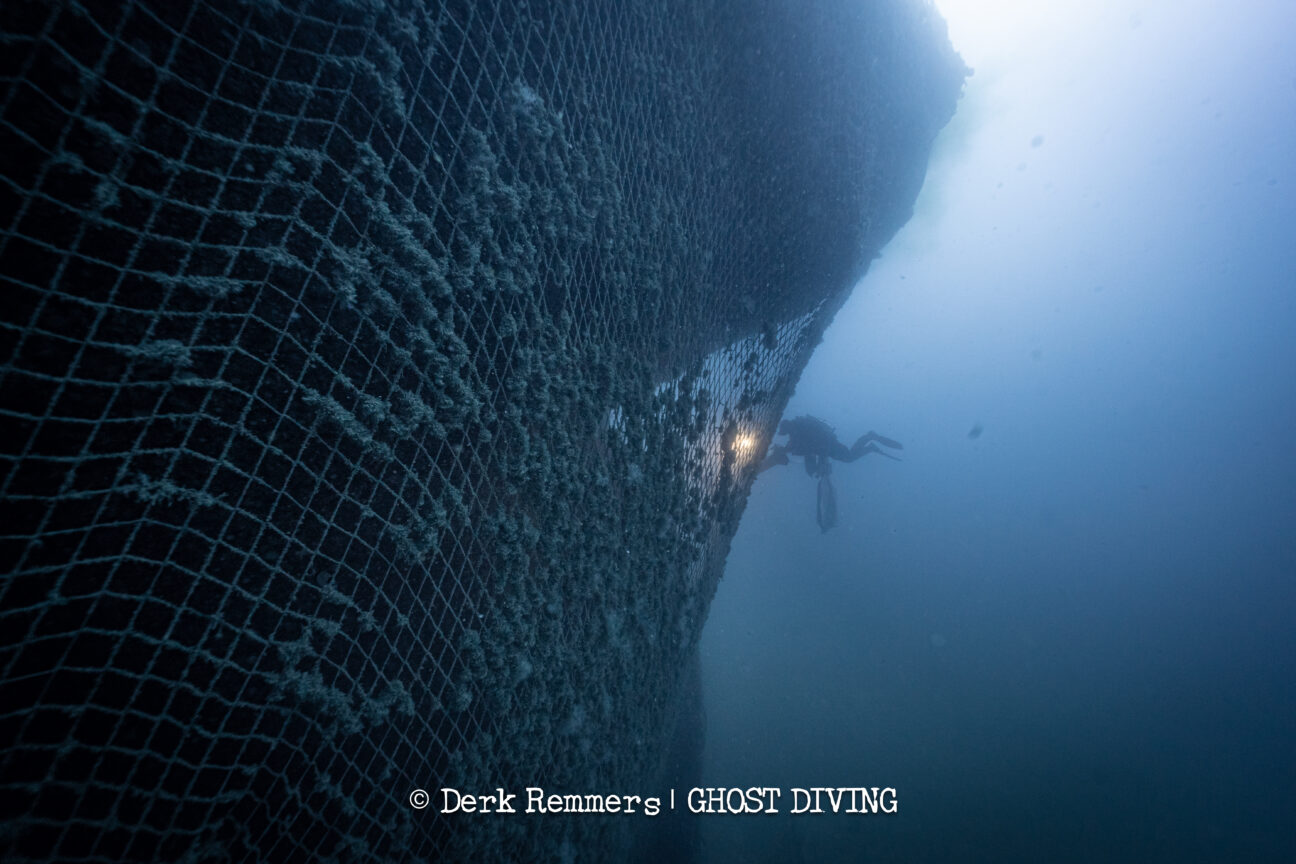
“Our research on sharks has, over time, allowed us to identify several key hotspots for threatened species, and this sighting is particularly significant in validating the conservation value of this area.”
Shipwrecks, such as the one Remmers and colleagues were working on, can serve as artificial reefs that attract a variety of marine species. However, the continued presence of ghost nets can easily turn them into deathtraps that kill the animals they attract.
As such, the work of organizations such as Healthy Seas is vital for protecting these habitats so that more sharks can continue to call the Mediterranean – and other seas – their homes.