Nature
 PUBLISHED
 8
8




The egg is right up there with Earth’s greatest creations. Over 99 percent of all animal species that have ever lived on the planet have emerged from some kind of egg, and a few of them have been huge.
Just take the South Island giant moa, for example. A flightless giant that once roamed around New Zealand right up until the first humans arrived around 700 years ago. We were instrumental in its extinction, but there is hope the world could see a moa-like bird again. Thing is, with no animal left alive that’s comparable in size, we’re gonna need a bigger egg.
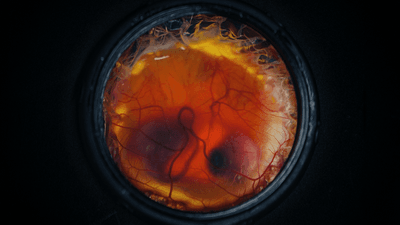
Enter: the Colossal artificial egg. As part of their mission to functionally de-extinct the moa, Colossal Bioscience's avian experts have been developing a shell-less incubation system capable of supporting complete avian embryo development. Now, they’ve announced the successful hatching of the first-ever chicks to be born using this technology.
We didn't want to just reimagine the egg. We wanted to completely re-engineer it.
Ben Lamm
“It's a window into developmental biology,” Colossal Founder Ben Lamm, who was recently named to the Board of Directors for the US National Fish and Wildlife Foundation, told IFLScience.
“You can actually see and understand the process, but it's also very physical. Not just the developing embryo, because we see a lot of that in cells and in culture, but to actually have the culmination of the cell engineering team, the animal operations team, and the hardware team coming together – it’s not just the incredible biology that you're getting a window into, but you're getting it through the lens of this physical human-made device that is supporting it.”
“It shows that we can replicate nature and in some ways, even improve upon nature, which is really interesting. For us, we didn't want to just reimagine the egg. We wanted to completely re-engineer it.”
This kind of shell-less avian culture is something scientists were trying to tackle back in the 1980s. Obstacles at the time included the vast amount of pure oxygen needed to support prior systems, which in turn caused DNA damage and negatively impacted the animals’ health.
Colossal was able to overcome these obstacles using a lattice shell architecture complete with a bio-engineered silicone-based membrane capable of matching the oxygen transfer capacity of natural eggshell. This means oxygen levels can remain at ambient levels, supporting the long-term health of developing chicks.
We’re building it for the moa, but it’s designed to support critically endangered species broadly.
Matt James
The system has welcomed its first healthy brood using an end-to-end process that can be replicated at low cost, high volume, and is size scalable. So, from the humble chicken it could – theoretically – one day support Colossal's goal of de-extincting the moa. In the meantime, it’s hoped the technology can also be deployed to aid the conservation of extant and endangered species.
"The ability to incubate avian embryos outside a biological shell — at any size and in standard commercial incubators — is a capability conservation programs simply don’t have today,” said Matt James, Chief Animal Officer and head of The Colossal Foundation, in a statement sent to IFLScience. “We’re building it for the moa, but it’s designed to support critically endangered species broadly.”
“This represents a new platform for avian conservation. The artificial egg allows us to rescue compromised embryos, build genetic rescue platforms, and utilize donor and biobanked material in ways that weren’t previously possible. It reflects deep collaboration across biology, engineering, and software – and opens entirely new pathways to help address the biodiversity crisis.”
While the Colossal mammoth is forecasted for 2028, Lamm says a Colossal moa is a little further down the line, owing to the fact we don’t yet have moa genomes. However, when pushed, he was willing to bet on one thing.
“I’ll put my money on moas before Mars.”
The race is on, folks.