Ad

nature-iconNaturenature-iconanimals
clock-iconPUBLISHEDOctober 20, 2025
share11

IFLScience We Have Questions: Can Burying Scientists Alive In The Snow Help Us Protect Polar Bears?

Worth a punt.

Rachael Funnell headshot

Rachael Funnell

Rachael has a degree in Zoology from the University of Southampton, and specializes in animal behavior, evolution, palaeontology, and the environment.

Senior Science Writer

Rachael has a degree in Zoology from the University of Southampton, and specializes in animal behavior, evolution, palaeontology, and the environment.View full profile

Rachael has a degree in Zoology from the University of Southampton, and specializes in animal behavior, evolution, palaeontology, and the environment.

View full profile
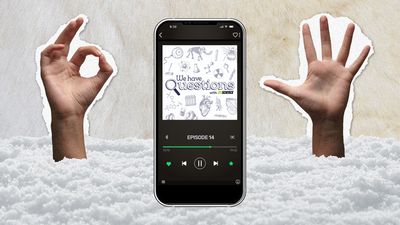
Episode 14 of We Have Questions playing on a smartphone

Episode 14 of We Have Questions.

Image credit: Hayk_Shalunts/Leigh Prather/maxtimofeev/Shutterstock.com modified by IFLScience

Polar Bears International (PBI) is serious about protecting bears, and in the pursuit of reliable data, has gone to some extremes in the past. From burying scientists alive out in the snow to novel collar-camera setups that have enabled them to predict when polar bear moms and their new cubs are going to emerge from their dens.

The rest of this article is behind a paywall. Please sign in or subscribe to access the full content.

In an era of “drill, baby, drill,” now is a tougher time for polar bears than ever before. An essential step towards getting them the protection they require centers around demystifying their denning habits and what young bears need to survive, so we caught up with Dr Louise Archer, PBI's Postdoctoral Research Fellow at the University of Toronto Scarborough, to find out what she’s been working on with a team in Svalbard, Norway.

You can listen to this episode and subscribe to the podcast on all your favorite podcast apps: Apple Podcasts, Spotify, Podbean, Amazon Music, and more.


This interview first appeared in Issue 33 of our digital magazine CURIOUS.


Written by 

Add us as a Google preferred source to see more of our
trusted coverage in Search