Health and Medicine
 PUBLISHED
 10
10



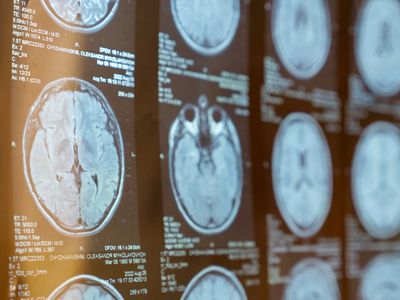


The Breakthrough Prize has announced its 2025 Laureates in Life Sciences, Fundamental Physics, and Mathematics. Among them are Professors Alberto Ascherio from Harvard University and Stephen Hauser from the University of California, San Francisco, who won the prize for their work in understanding multiple sclerosis (MS) and how to treat it.
It was established by Ascherio and his collaborators, as well as in follow-up research by other teams, that this disease is linked to infection with the Epstein-Barr virus (EBV), a virus from the herpes family, and among the most common in humans. By studying the data of 10 million former military personnel in the US, Ascherio’s work showed that MS is almost always a delayed response to infection with the EBV.
[T]he epidemiology of multiple sclerosis is quite unique because there is a very striking geographical distribution.
Professor Alberto Ascherio
Researchers had known that there was something odd about the development of MS, and attributed it to the so-called hygiene hypothesis. This is the idea that in our modern world, children are not getting enough early exposure to microorganisms in order to develop a healthy immune system. However, finding the connection was not easy.
“It started with the observation that the epidemiology of multiple sclerosis is quite unique because there is a very striking geographical distribution,” Professor Ascherio told IFLScience.
“It is very uncommon in tropical areas, and then the incidence tends to increase in temperate zones. For people who migrate from areas of high incidence to low incidence, the risk goes down, and for people who migrate from the tropics to Europe or Canada, the risk goes up.”
This prompted Ascherio to look at something in the environment or lifestyle that could explain this distribution. Untangling the issue with the hygiene hypothesis, Ascherio noticed the connection between infectious mononucleosis, primarily caused by EBV, and the risk of developing MS. Over time, overwhelming evidence linking the two has been brought forward, although the exact mechanism is not fully clear.
“One popular theory is that it's a cross-reactivity between the immune response against the EBV and some human proteins that are expressed in the brain,” Professor Ascherio explained. “The hypothesis is attractive because it would provide sort of a straightforward explanation, but I'm rather skeptical about this explanation. An alternative explanation is that the disease is caused by viral reactivation in the central nervous system in the brain or spinal cord.”
The link between the virus and disease has opened new ways to consider how MS might be treated. Antiviral drugs are being investigated in clinical trials as possible add-ons to the standard MS treatment. There’s also the possibility that a vaccine might be useful, in particular, one that modifies the immune response, and so maybe stops MS completely. Ascherio is upfront that this development won’t be a matter of months, but of many years, though he’s optimistic that there is “a lot of research that hopefully will bring us somewhere.”
It's like we've built the equivalent of JWST to study the universe, but now we don't have the funding to launch it!
Professor Alberto Ascherio
There is a bit of hesitation there, but it has nothing to do with the scientific challenges. Instead, it is because of the devastating cuts to research into cures for diseases by the Trump administration, through Elon Musk’s Department of Government Efficiency, and Health Secretary Robert F. Kennedy Jr.. A past winner of the Breakthrough Prize was fired just last week.
“As you know, we are in a difficult time of research here in the US,” Professor Ascherio told IFLScience. “Over the past, few decades we have assembled really unbelievable unique resources in terms of biological samples and data. Unfortunately, we are struggling to get funding to move forward with this research. It's like we've built the equivalent of JWST to study the universe, but now we don't have the funding to launch it!”
The Breakthrough Prize, worth $3 million, will be split equally between Ascherio and Hauser, and hopefully, more contributions will continue to push this vital area of medical research forward.