


 Nature
 PUBLISHED





It’s no secret that dogs used to be wolves – a once-wild species domesticated over generations until it became humanity’s best and most understanding friend. But the precise route from point A to point B has always been a mystery. Was this domestication purposeful? An accident? When, where, how did any of it happen? So far, we can only guess.
A new discovery adds an intriguing piece to the puzzle, however: ancient wolf bones, dating from between 3,000 and 5,000 years ago and showing signs of a life lived alongside, rather than in conflict with, the local human population. And the real smoking gun that these wolves enjoyed cordial relations with the ancient people who looked after them? Their location: a cave, found on an island with no native land mammals, that can only be reached by boat.
“The discovery of these wolves on a remote island is completely unexpected,” said Dr Linus Girdland-Flink, a lecturer in the University of Aberdeen’s School of Archeology and a lead author of the study, in a statement on the discovery. “Not only did they have ancestry indistinguishable from other Eurasian wolves, but they seemed to be living alongside humans, eating their food.”
“This paints a complex picture of the relationship between humans and wolves in the past,” he added.
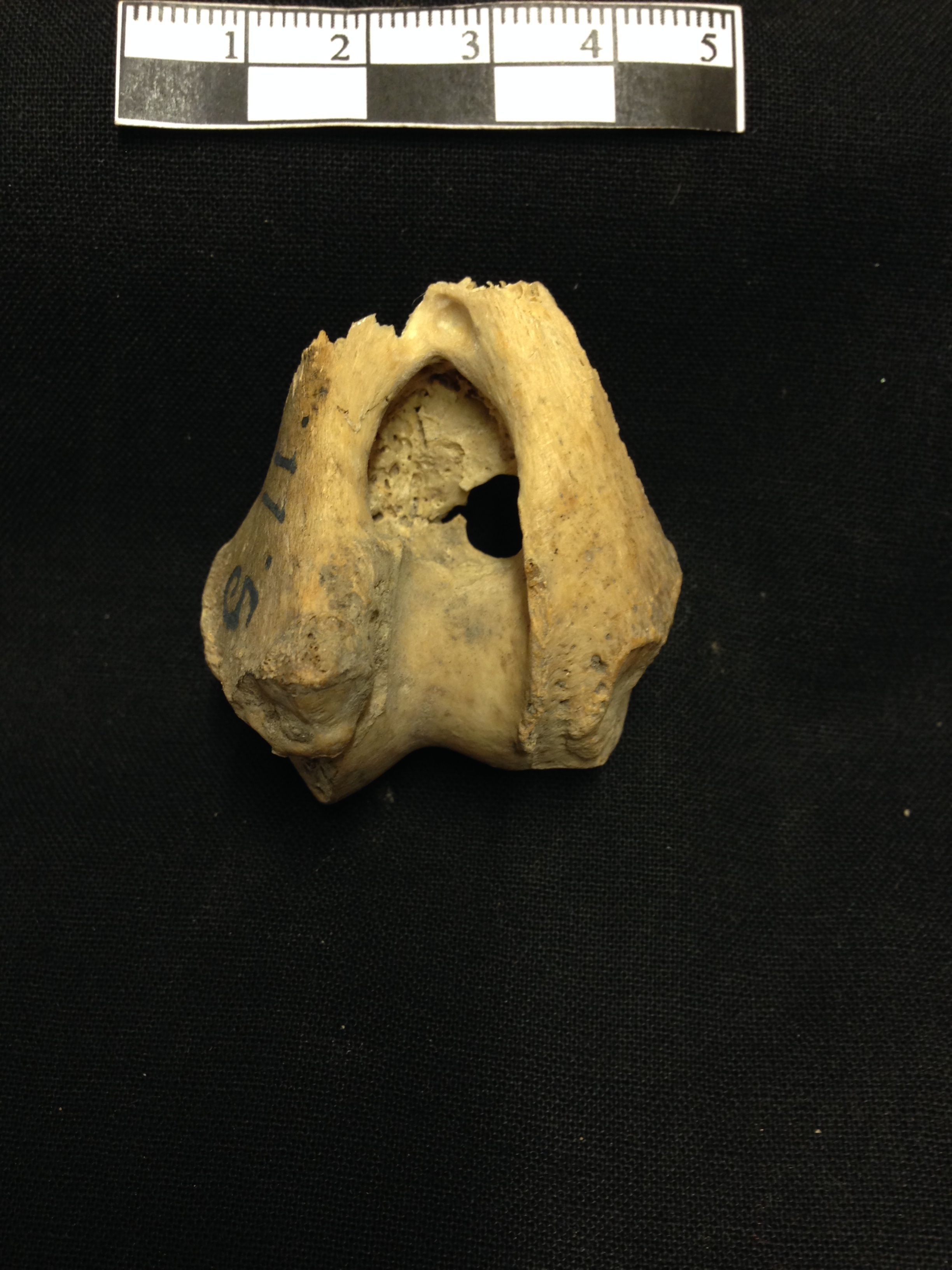
Whether the animals were pets, semi-wild, or something else, the researchers can’t say – but one thing they weren’t was an accident. The remains show classic signs of a settled, multigenerational population; the bones show that they had smaller bodies than typical wolves – a common effect of isolation – and unusually low genetic diversity.
“The genetic data is fascinating,” said Anders Bergström, a lecturer in the School of Biological Sciences in the University of East Anglia and co-lead author of the paper. “We found that the wolf with the most complete genome had low genetic diversity, lower than any other ancient wolf we've seen.”
“This is similar to what you see in isolated or bottlenecked populations, or in domesticated organisms,” he explained. “While we can't rule out that these wolves had low genetic diversity for natural reasons, it suggests that humans were interacting with and managing wolves in ways we hadn't previously considered.”
While the animals are unequivocally wolves, everything seems to point to a symbiotic, almost pet-like relationship with the local humans. Their Bronze Age compatriots brought them to the island on boats; they shared the fish and seals that they hunted with them; they even seemed to care for them when they were injured. It’s a discovery that upends what we thought we knew about human-wolf interactions in ancient times – and adds invaluable information to the story of canine domestication.
“It was a complete surprise to see that it was a wolf and not a dog,” said Pontus Skoglund, group leader of the Francis Crick Institute's Ancient Genomics laboratory and senior author of the paper. “This is a provocative case that raises the possibility that in certain environments, humans were able to keep wolves in their settlements, and found value in doing so.”
The study is published in the Proceedings of the National Academy of Sciences.



 1
1